Circular economy stories
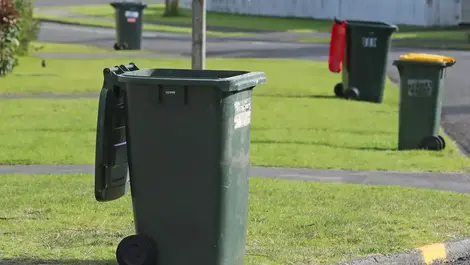
Households could soon sort rubbish into separate bins as the council weighs a system aimed at cutting dumping and landfill waste.
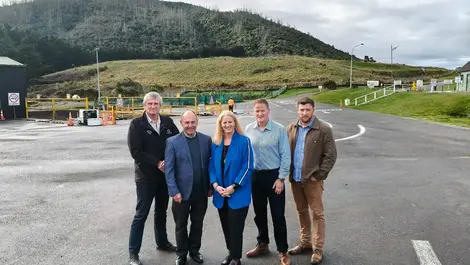
The upgrade is expected to divert up to 8,000 tonnes of waste a year as Taupō weighs a future beyond the Mt Tauhara dump.
Capacity constraints in Wellington should ease as a 200-tonne-an-hour plant boosts asphalt supply for roads, ports and airports.
As scrutiny of data centre land use grows, the Nordic operator will set out practical biodiversity measures at a UN conference in Armenia.
Its third-quarter sustainability score of 4.04 keeps the group on course for a 4.20 target, as supplier and workforce programmes expand.
The deal could widen deployment of sustainability tools across Asia Pacific, while giving PepsiCo more commercially ready options from its startup pipeline.
Banks are testing secure ways to collect expired payment cards and turn the recovered plastic into new products, benches and pellets.
The hire comes as the British biotech scales up Spanish manufacturing and prepares to restart production at a 52,000-tonne nylon 6,6 plant.
The shift reflects research linking about 79 per cent of overseas ocean plastic reaching Australia to Southeast Asia, where most leakage begins.
By 2027, AI expansion is set to drive up power and water costs, while forcing tougher rules on data centre building and funding.
Billions already within coverage risk missing AI-era services as entry-level smartphones become less affordable in low-income markets.
The expansion gives the Cambridge company a local team in a market seen as vital for software testing and used-device processing.
Foreign river pollution could lift plastic washing up on Australian beaches from 440 tonnes in 2020 to about 850 tonnes a year by 2050.
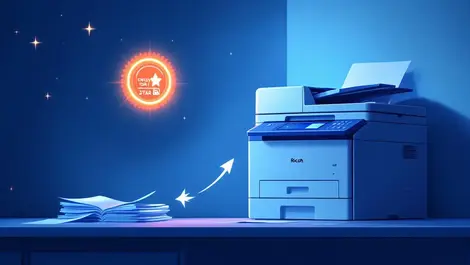
The sixth win since 2019 underlines Ricoh Canada's push to boost certified devices and dealer training as it courts environmentally minded buyers.
The funding aims to help five Canadian ventures move from lab validation to market-ready production, tackling emissions, waste and climate risks.
The deal expands RSK's Australian renewables services as developers face tougher planning, approvals and community engagement hurdles.
Residents and businesses in Macquarie Park can now dispose of old electronics more easily, with secure data erasure added this year.
Millions of unused phones and laptops could be redirected to people without kit as the telecoms group backs local reuse schemes until 2030.
Mounting costs are pushing independent cafés to diversify, as BRITA Professional's shortlist spotlights community-focused operators across England and Wales.
The circular technology firm is betting on new leadership to drive overseas growth as telecoms operators seek more value from existing kit.