

Hamilton trial lays road with recycled tyre rubber
Fri, 13th Nov 2026 (Today)
Connect Hamilton and Road Science have laid asphalt containing devulcanised rubber from recycled tyres on Anglesea Street in central Hamilton. The trial used material recovered from about 264 end-of-life car tyres.
The work is part of an asphalt resurfacing project on one of the city's busiest streets. Two sections use the recycled-rubber binder, while the rest uses a conventional polymer-modified binder for comparison.
About 1,320kg of recycled tyre rubber was incorporated into the project through Road Science's FlexiPlus Bind | EcoBlend product. The binder uses devulcanised rubber supplied by Cyclenomics from its Waikato facility.
The trial addresses a broader waste issue in New Zealand, where about 6.5 million tyres reach end-of-life each year. Road builders and local authorities have been seeking domestic uses for the material as pressure grows to build more circular supply chains.
Anglesea Street will now serve as a live test site. Road Science and Connect Hamilton plan to monitor the sections over time and compare the long-term performance of the recycled-rubber binder with the standard alternative.
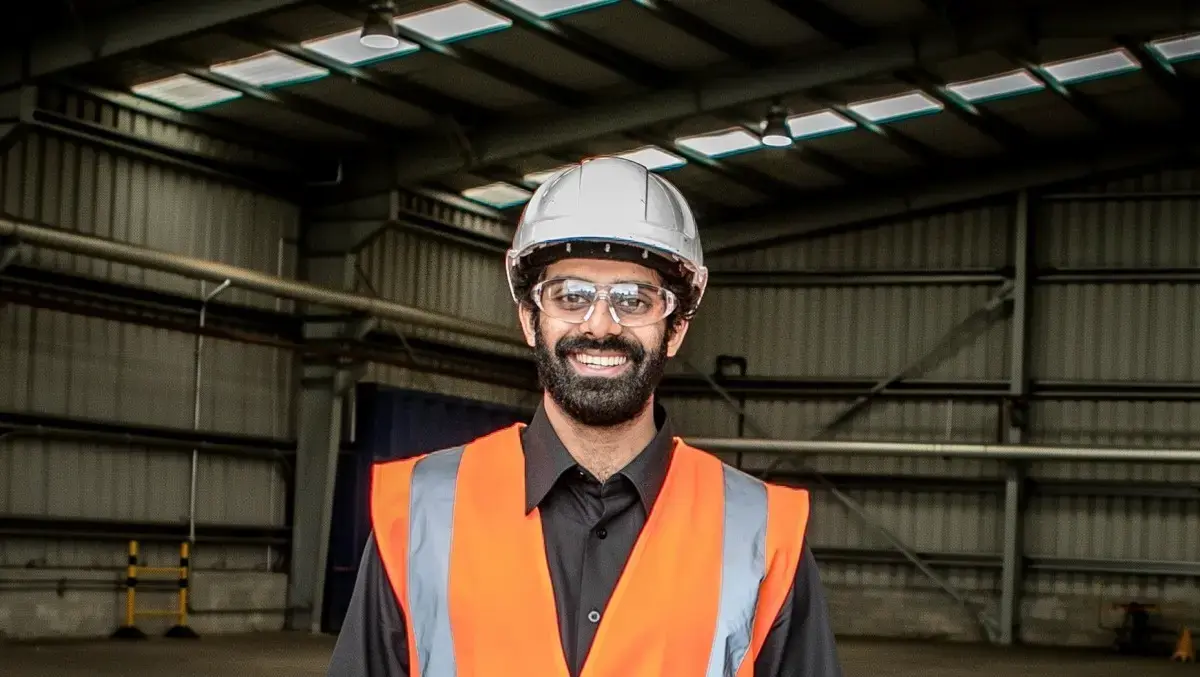
Nikhil Vishwanath, Design and Renewals Manager at Connect Hamilton, said the trial was designed to combine waste reduction with routine road works. "We're constantly looking for innovative ways to reduce our environmental footprint while continuing to deliver reliable infrastructure outcomes for Hamilton. FlexiPlus Bind | EcoBlend enables us to offset tyre waste while maintaining the performance required on some of our busiest roads, all within our existing programme budget," Vishwanath said.
The Hamilton project follows an earlier Road Science trial with Auckland Transport. It adds another data point for road owners weighing whether tyre-derived materials can move from isolated tests into routine resurfacing programmes.
Material shift
Recovered tyre rubber has often been used in roadmaking as crumb rubber, made by grinding tyres into small particles. Road Science said that approach can create practical problems in New Zealand road construction because the material does not always fully dissolve in bitumen.
It says this can contaminate tanks, trailers and manufacturing equipment, as well as block transport and storage systems. Blending crumb rubber can also increase fire and fume risks and may require specialised plant infrastructure.
Devulcanised rubber is processed further so it can blend more effectively with bitumen. Road Science said this removes the operational risks associated with conventional crumb rubber while reducing reliance on virgin polymers in the binder mix.
The company has long supplied polymer-modified binders designed to improve road durability. In this trial, it is testing whether a tyre-derived input can deliver the same expected resistance to fatigue, rutting and wear while also creating a domestic outlet for used tyres.
That domestic angle is significant in Waikato, where Cyclenomics now supplies the devulcanised rubber. The arrangement links a local recycler, a road materials supplier and a council maintenance partnership, giving the trial a broader supply-chain role than a standard resurfacing job.
Connect Hamilton said the scale of tyre reuse in the trial was notable against its own fleet needs. The 264-tyre equivalent used in the street surface compares with 157 tyres replaced across the organisation's fleet in the past year.
Gordon Naidoo, Director of Transport at Hamilton City Council, said the work reflected the partnership behind the city's road maintenance programme. "This trial demonstrates the value of the long-standing partnership between Hamilton City Council and Downer through the Connect Hamilton contract. Together, we're creating opportunities to trial innovative solutions that improve environmental outcomes while continuing to deliver a safe, reliable, and high-performing transport network for Hamilton. It's exactly the type of forward-thinking approach our growing city needs, and one that provides lasting value for both ratepayers and future generations."
Industry test
For the road construction sector, a central question is whether recycled tyre inputs can be used at scale without disrupting established production and laying processes. That issue has limited wider uptake of some recycled materials, even where the environmental benefits are clear.
Manaf Alshamsi, Product Growth Manager at Road Science, said the industry needed evidence from projects carried out under normal operating conditions. "One of the biggest challenges for the industry is proving circular economy solutions can move beyond pilot projects and into everyday road construction," Alshamsi said.
"We're excited to be partnering with Connect Hamilton on this project. It provides another opportunity to demonstrate how recycled tyre materials can be integrated into mainstream road construction while maintaining the performance standards expected from premium polymer-modified binders," he said.
The Anglesea Street sections between Mill Street and London Street are now set to provide that evidence under traffic in a central-city environment. The comparison between the two binder types is likely to help shape decisions on whether the material is used more widely.