Circular economy stories
Pressure is mounting on ministers to act, after scientists warned New Zealand could fall behind on plastics and expose consumers to greater risks.
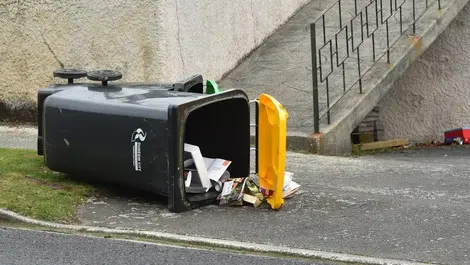
Bin contamination has eased in Southland, but 20 households have already lost their recycling bins after repeat rule breaches.
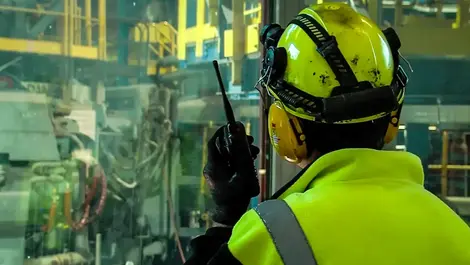
The mill could cut its carbon emissions by nearly half as the new electric arc furnace starts turning recycled scrap into steel.
New Zealand builders could cut steel emissions by more than 90 percent by 2050 through smarter design, reuse and cleaner production.
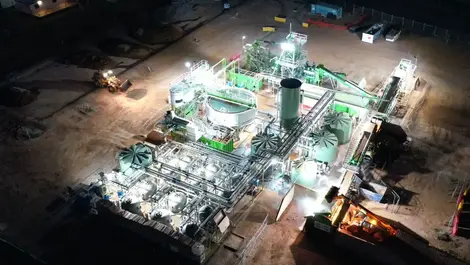
Victoria’s new soil-washing plant will let construction firms reuse polluted earth, easing landfill pressure as infrastructure demand rises.
Hawaii is testing whether roadbuilding can reduce landfill pressure by turning marine debris and household plastic into asphalt without extra shedding.
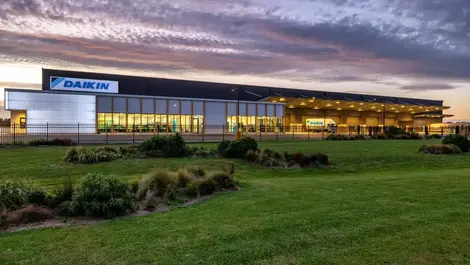
A Christchurch logistics hub will keep climate-damaging refrigerant out of landfill, cutting emissions and easing supply pressures for heat pump owners.
Built for faster fitting and cleaner finishes, the range adds smart controls, USB-C charging and recycled materials to Australian projects.
Six new partnerships and a cross-border pouch cell debut in Sepang as ASEAN moves to turn battery research into production.
The funding could help cut water-treatment costs and emissions, after trials recovered 90% of spent chemicals at 95% purity.
Mobile operators now have a packaged way to link handset sales with recycling, as GSMA Industry Services broadens its sustainability tools.
The project could cut emissions and reduce Denmark's reliance on imported winter produce by heating new greenhouse facilities with surplus data centre heat.
Small meeting rooms could get easier to kit out as Dell's 43-inch conferencing monitor combines camera, audio and display in one unit.
UK shoppers are turning to refurbished phones as cheaper handset prices have outpaced inflation, with budget models rising fastest.
Rising handset prices are pushing more shoppers towards used kit, as Uswitch adds Back Market and a common grading system to its platform.
Manufacturers are weighing digitalisation, AI and cybersecurity as Thailand's factories face labour shortages, cost pressure and tighter sustainability goals.
Utilities facing higher costs and tighter supplies may soon recover treatment chemicals from wastewater, after the startup secured new backing for pilots.
Earlier markdowns could curb food waste and protect margins as grocers are warned of unsold stock up to a week before expiry.
As climate shocks intensify, cities can cut outages and delays by linking water, power and transport into one view.
The Manchester firm can now push its sheep wool insulation panels towards commercial use, with live building trials and testing funded by a GBP £75,000 award.