'The holes will get bigger': $1.9m to test lake wall fixes labelled 'delay tactics'
Tue, 1st Sep 2026
The Bay of Plenty Regional Council is trialling repair options for the deteriorating Ōhau Channel diversion wall, with a decision on the structure's future likely early next year.
Lake advocates say the work falls short of a commitment to fix the wall and accuse the council of delaying action while the structure corrodes away.
Since 2014, microbial corrosion has caused the wall to deteriorate faster than expected, leaving holes in parts of the structure.
The council says councillors need more information to make a decision, with repair estimates ranging up to $25m.
It has allocated $1.9 million to test two potential fixes for the wall, built in 2008 to stop polluted water from Lake Rotorua flowing into Lake Rotoiti.
One involves sealing corrosion holes with polyethylene mouldings. The other would encase the wall's king piles in concrete and replace ageing sheet piles with plastic alternatives.
The council's lake operations principal adviser Andy Bruere said the first option could extend the wall's life until about 2042, while the second could provide a solution lasting more than 50 years.
"The trials are designed to test the engineering workability of each option and help the regional council better understand their respective cost," he said.
Trial results, alongside engineering, scientific and economic assessments, are estimated to be available in early 2027, when councillors would make their next major decision on the wall's future.
Bruere said the decision would also be informed by further modelling examining whether improvements in Lake Rotorua's water quality have reduced the need for the wall.
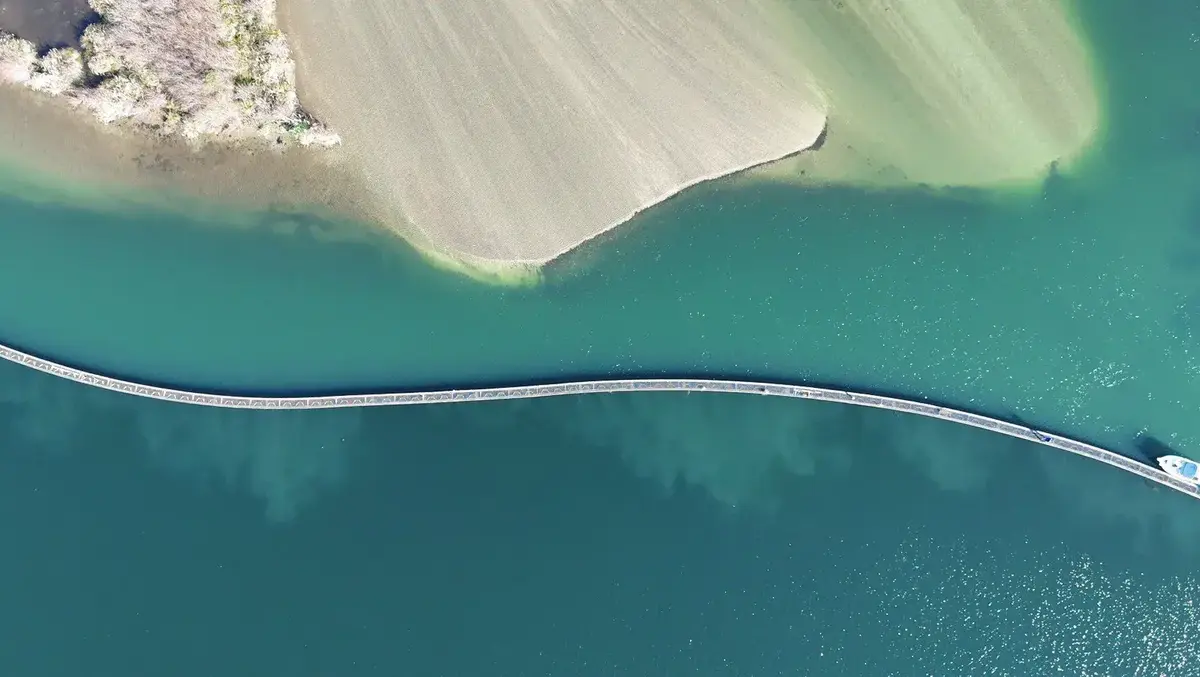
The $11 million Ōhau diversion wall was built to divert polluted water from Lake Rotorua away from Lake Rotoiti and down the Kaituna River, reducing nutrient inputs into the lake.
For Lakes Water Quality Society chairman John Gifford, the latest trials do little to resolve the central issue.
"At the bottom line right now, there's no commitment from the regional council to repair the wall," he said.
"Basically, their position is that they are of the view the wall may not be needed."
The regional council has previously argued improvements in Lake Rotorua's water quality have reduced the wall's importance, while modelling suggested a "no wall" scenario would have only a minor impact on Lake Rotoiti.
Rotorua Mayor Tania Tapsell publicly criticised the regional council over the wall in July 2025, backing calls for urgent action. That council called for urgent investment in March.
Gifford said his organisation was unconvinced the council would need further years of investigation before committing to a solution.
"Our view is that it's largely delay tactics," he said.
"That will have a significant detrimental impact on the nutrient load of Lake Rotoiti and, more than likely, create the opportunity for a marked deterioration in water quality."
Gifford said the society had commissioned its own modelling on the effects of leakage through the wall and expected results later this year. He was confident the findings would strengthen the case for repairs and said legal options remained under consideration.
Bruere said councillors were seeking more information before making what could be a costly decision.
"The decision to repair the Ōhau Wall could have a very significant cost to our community," he said.
"Repair estimates are in the range of $25 million."
Bruere said councillors wanted better information about the costs and benefits before committing to a programme of work.
The council maintains there is no evidence leakage through the wall is causing measurable harm to Lake Rotoiti.
Bruere pointed to a 2023 review that found the wall had improved water quality in the lake, while long-term monitoring showed no signs the holes were causing a decline.
The council has not updated its estimate of leakage through the wall since 2023.
Bruere said the earlier modelling was now out of date because corrosion had continued and the holes had grown larger. The council had instead focused on repair trials and other work to inform future decisions on the wall.
For Gifford, the "wait-and-see" approach risks allowing the problem to worsen.
"If it was your roof, you'd be up there fixing it straight away, wouldn't you?" he said.
"But it's taken them two years to get to the point where they're looking at some options.
"In the meantime, the wall will just continue to deteriorate. The holes will get bigger, the intrusion will get greater, and the time for recovery within Lake Rotoiti will increase."