Climate resilience stories
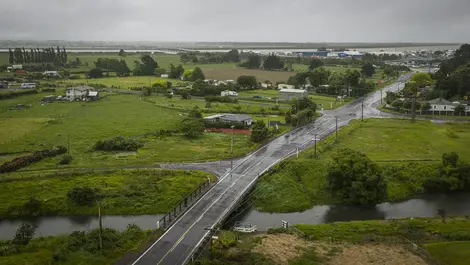
Taxpayers face more than $50 million in extra costs after the Kirikiri Stream Bridge replacement in Coromandel rose from $12 million to $65 million over a decade.
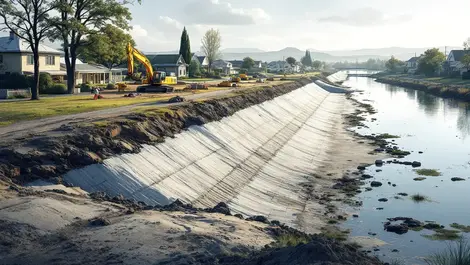
Residents will see three kilometres of river defences lifted and strengthened, after Gabrielle exposed Waipawa's vulnerability to flooding.
More than four-fifths of a $1.2 million closed-landfill fund remains unspent as Kaipara Council says further work may not be needed by June next year.
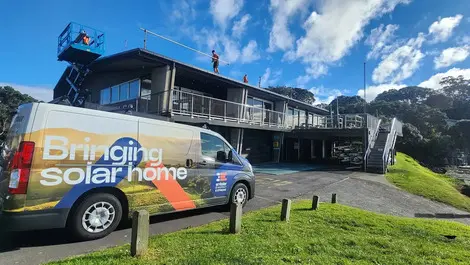
Rising electricity costs had been squeezing the volunteer-run club's budget, but the new system should save NZD $9,338 a year.
Funding gaps leave Kaikōura's flood recovery reliant on regional rates, after the council's bid for Government help was knocked back.
Household water bills and service delivery will be shaped by Louise Miller's move to lead Hawke's Bay's new regional water entity.
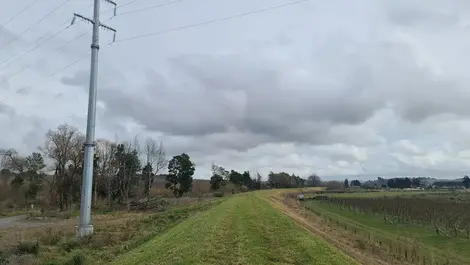
Flood protection for Ōmāhu is being strengthened after Gabrielle exposed gaps in the defences, with work due to finish by Christmas.
Northland residents could see the first open-ocean treated wastewater outfall in over a decade, with final approvals due before year-end.
More than two-thirds of assessed sites face moderate to high climate risk, pushing operators to factor resilience into Asia Pacific expansion plans.
Cities from Liverpool to Gothenburg are using Nvidia's AI tools to cut admin time, improve safety and lower operating costs in public services.
The overhaul is set to cut manual work and improve financial controls for the consultancy's 4,300 staff across 24 Asia Pacific offices.
Flooding and higher borrowing costs are sharpening scrutiny of how the IMF and World Bank will back vulnerable economies through debt and climate shocks.
By 2027, AI expansion is set to drive up power and water costs, while forcing tougher rules on data centre building and funding.
The new software aims to turn climate data into day-to-day choices on supply chains, sourcing and carbon budgets as disclosure rules tighten.
The British firm will soon double its collection capacity, letting customers track assets and infrastructure worldwide day and night.
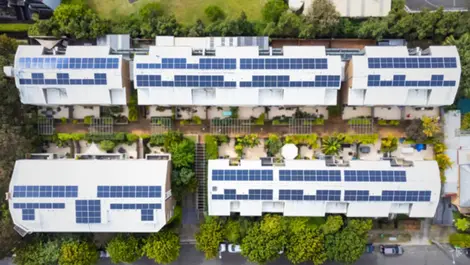
The Melbourne-designed system is already linked to more than 10,000 apartments, helping residents cut electricity bills by 30 to 40 per cent.
Apartment residents using the system have cut electricity bills by an average of 30 to 40 per cent, as it wins the 2026 top prize.
More than one in five Australians face significant vulnerability, with the new index tying the biggest risks to weak savings, insurance and superannuation.
Queensland's road network stands to gain from A$9 billion in works aimed at easing freight delays, crash risks and flood disruption.
Older facilities may struggle as hotter summers, floods and grid strain threaten UK data centre uptime for essential services.