Infrastructure maintenance stories
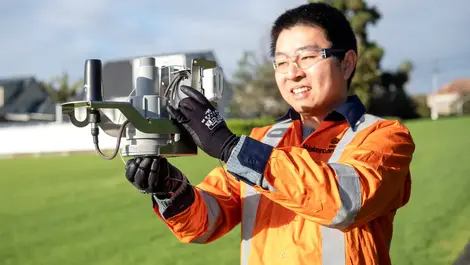
Sensors are helping spare Auckland homes, businesses and waterways from sewage spills, with Watercare averting more than one overflow a day.
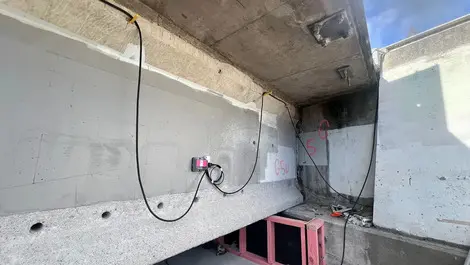
Live monitoring let engineers avoid a 30km/h restriction on a busy Canterbury bridge, keeping 35,000 daily vehicles moving during strengthening works.
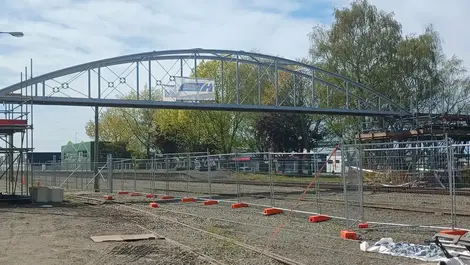
Restoration of the 109-year-old Ashburton footbridge is nearly finished, with the $880,000 job due to reopen it by the end of October.
Cross-party backing for a 30-year infrastructure plan could curb election-year pork-barrel spending and improve value for money.
Falling corporate suites and memberships are leaving Wellington's regional stadium unable to fund a GBP £42 million maintenance programme itself.
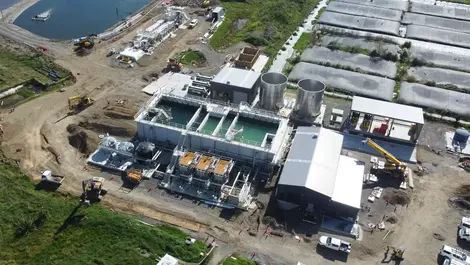
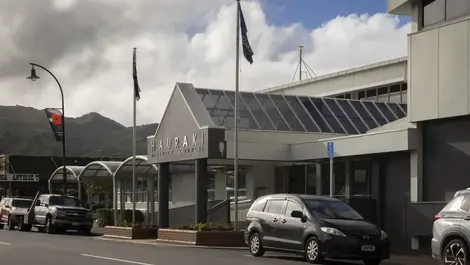
Ratepayers could face a NZD $141,388 repair bill as Hauraki council moves to bring three water plants up to code.
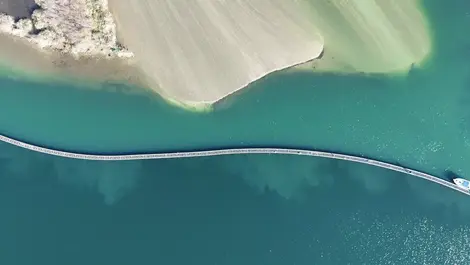
Lake advocates say the wall may keep corroding for years, with repairs now pushed into 2027 and costs put at up to GBP £12.5 million.
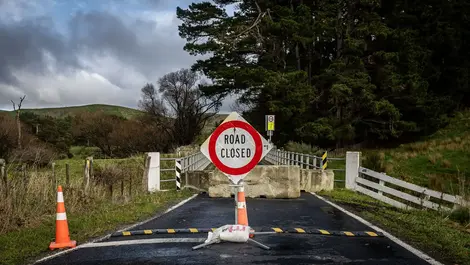
Heavy vehicles will be diverted from a vital Dannevirke route after tests found the 103-year-old Rawhiti Bridge is far weaker than thought.
Waikato councils say a 4% rates cap will squeeze funding for water and wastewater, as mayors accuse ministers of hypocrisy.
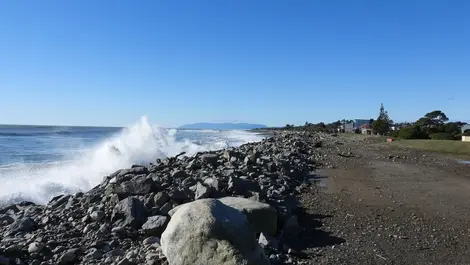
Larger stones are set to be installed after high seas sent driftwood and debris over the Hokitika flood barrier and onto the walkway.
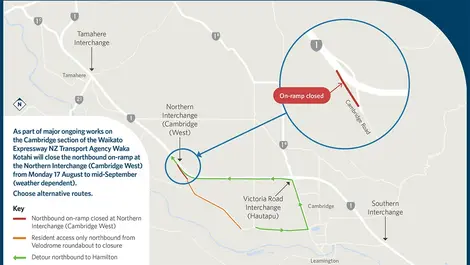
Motorists should brace for up to 20-minute delays as the next stage closes the Cambridge West northbound on-ramp and shifts traffic.
Long-term asset upkeep would take priority under a plan aimed at shielding New Zealand infrastructure from election-cycle politics and funding gaps.
Consensus remained broad, but party MPs still clashed over who should pay for long-term works and how to curb costly overdesign.
The upgrade should cut manual setup and keep crews connected in 45C heat and rough terrain as the utility standardises field devices.
The deal extends Vertiv's fluid management services into Europe, the Middle East and Africa as data centre cooling demands grow.
Rising rain-driven landslide risks are leaving road users exposed as inspectors miss unstable slopes hidden from view, a consultant warns.
Software tools are helping engineers save time as Australia braces for a shortfall of about 150,000 staff over the next decade.
It could help miners, ports and transport operators spot hidden cracks and corrosion before ageing equipment fails or needs a shutdown.
Drivers may face safer roadside recovery and easier upkeep, as revised advice broadens batter slope decisions beyond geotechnical stability.
Customers can now shift production pipelines to the managed platform without rebuilding connectors or reloading months of data.