Circular economy stories
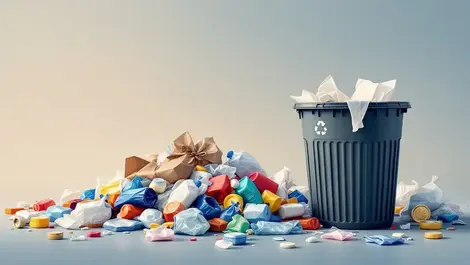
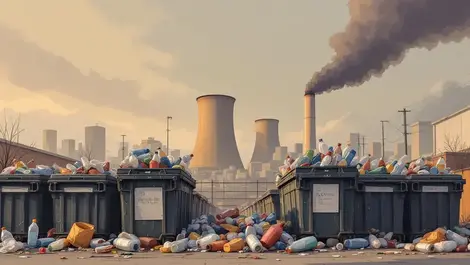
Plastic waste could cost EU taxpayers or shoppers more as Brussels moves to levy EUR €0.80 per kilogramme on unrecycled packaging.
Sustainability, modular builds and antimicrobial coatings are expected to reshape the sector as pandemic-era demand and supply shifts persist.
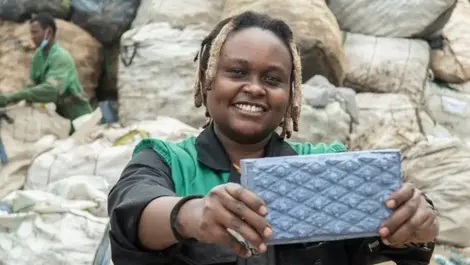
Kenya’s building sector could cut landfill and emissions as Nzambi Matee turns non-recyclable plastic into bricks stronger than concrete.
RMIT researchers say lobster-shell patterns and recycled waste could make 3D printed concrete stronger, faster-setting and greener.
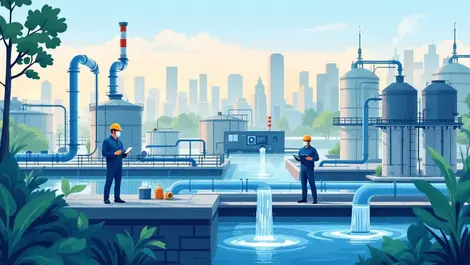
The system won a global innovation prize after promising onsite treatment that could cut costly sewer networks and tanker transport in Lebanon.
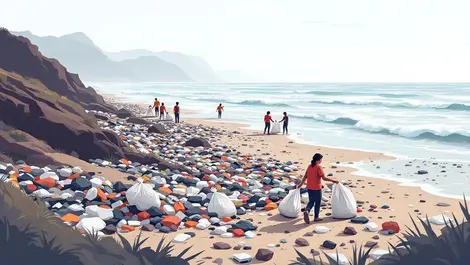
A global push to cut plastic pollution would need at least one billion volunteers just for clean-ups, researchers warn.
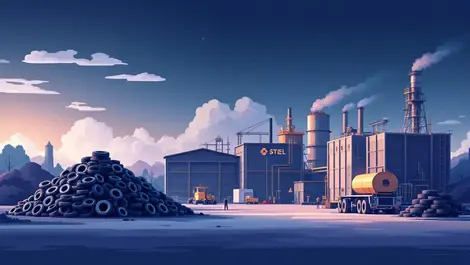
A new Australian process could cut tyre waste and supply low-sulphur oil, carbon and steel for refining and manufacturing.
Even an ideal recycling system would cut plastics-sector emissions by only 14% by 2050, leaving major producers still far from net zero.
Lockdowns have boosted support for digital tools, wastewater monitoring and investment as utilities grapple with falling revenues and rising demand.
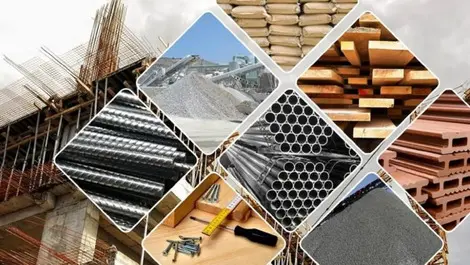
Careful planning can cut construction waste, saving money, reducing accidents and lowering carbon emissions across a project.
Global cooperation and heavy state intervention would favour low-carbon infrastructure, while fossil-fuel projects and greenfield builds are marginalised.
Experts say the $50 billion COVID-19 recovery plan will lift jobs and infrastructure, but warn it leaves big tax and housing gaps.
Recognition of waste-to-energy plants as essential has sharpened focus on their role in safely treating infectious rubbish during the pandemic.
The new plant will treat 40,000 tonnes of hazardous waste a year, helping Shanghai industry meet stricter emissions standards.
A waxworm’s gut microbes could help scientists devise ways to break down polyethylene, offering a possible route to curb mounting plastic pollution.
Youth, immigrants and urban Maori are most at risk as planners warn New Zealand must better reflect its diverse communities.
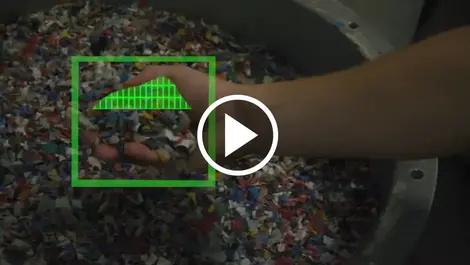
Recycling plants are cutting contamination and costs as nearly 100 AI-powered machines take over the tedious sorting humans often get wrong.
Environmental pressure is forcing China to curb single-use plastics, with major cities set to lose plastic bags by year-end.
Investors may pour more money into low-carbon projects this year, but election outcomes and climate shocks could still slow decarbonisation.
Demand for high-quality recycled plastics is rising as Borealis turns waste into branded consumer goods through key partnerships.