Circular economy stories
Businesses are cutting landfill charges and transport costs as a Sydney plant turns commercial food waste into fertiliser and green energy.
Household waste is often dumped or shipped overseas, fuelling a worsening plastic-recycling crisis and illegal trade in Asia.
It could turn mixed textiles, plastics and food waste into pellets, as VTT seeks a partner to commercialise the prototype.
A global design-thinking relay has helped turn Raglan waste concerns into reusable-box ideas aimed at curbing single-use packaging in Waikato.
Farmers could save on insulators as a wood-plastic fence post is said to be stronger, longer-lasting and easier to handle than timber alternatives.
Recycled traffic sheep and a former mall hut are giving special needs children more to explore at Christchurch’s sensory playground, without landfill waste.
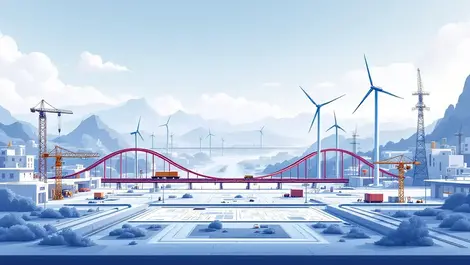
Auckland’s rail link has cut construction waste and emissions sharply, showing big infrastructure can hit sustainability targets while easing congestion.
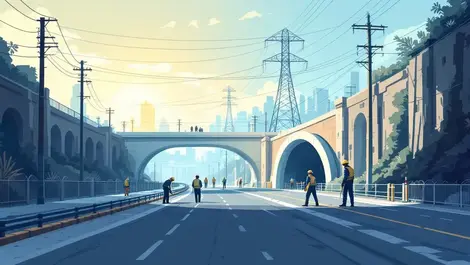
Craigieburn motorists could soon drive on a 300-metre test road made from 200,000 plastic bags and 63,000 glass bottles.
Cities could cut treatment costs and recover water, nutrients and carbon by replacing end-of-pipe sanitation with nature-based systems.
Corrosion damage costs industry and governments billions each year, making the Adelaide gathering a key forum for prevention and repair.
Consumers are being misled by confusing plastic labels, as experts call for clearer standards and tougher government oversight.
About 7 million lubricant and grease containers still go to landfill each year in New Zealand, prompting a voluntary recycling scheme.
Drought-hit cities are turning sewage into a valuable supply, cutting demand on drinking water and easing pressure on rivers and seas.
Environmental experts say current tests cannot show whether biodegradable carrier bags will safely break down in rivers, lakes or seas.
Residents in Seoul’s Seocho Gu district will get automated waste collection from 2022 as ENVAC installs a new underground system.
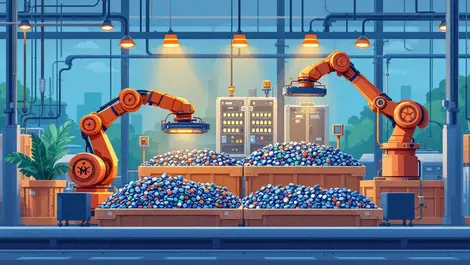
Material Recycling Facilities could boost sorting accuracy as BHS’s Max AI system uses robotics to tackle waste streams more efficiently.
The project is expected to cut landfill use by more than 90% and power up to 100,000 homes when completed in 2024.
Short-term shortages of lithium and cobalt could disrupt electric vehicle battery production unless recycling and new cathodes are developed soon.
The move could stop billions of bags reaching waterways and marine life, as Greenpeace urges NSW and Victoria to follow suit.
Raising landfill charges over seven years could lift New Zealand's recycling rate to 60 per cent and add 9,000 jobs, a report says.