'Total gamechanger': Marlborough looks to insects to tackle green waste
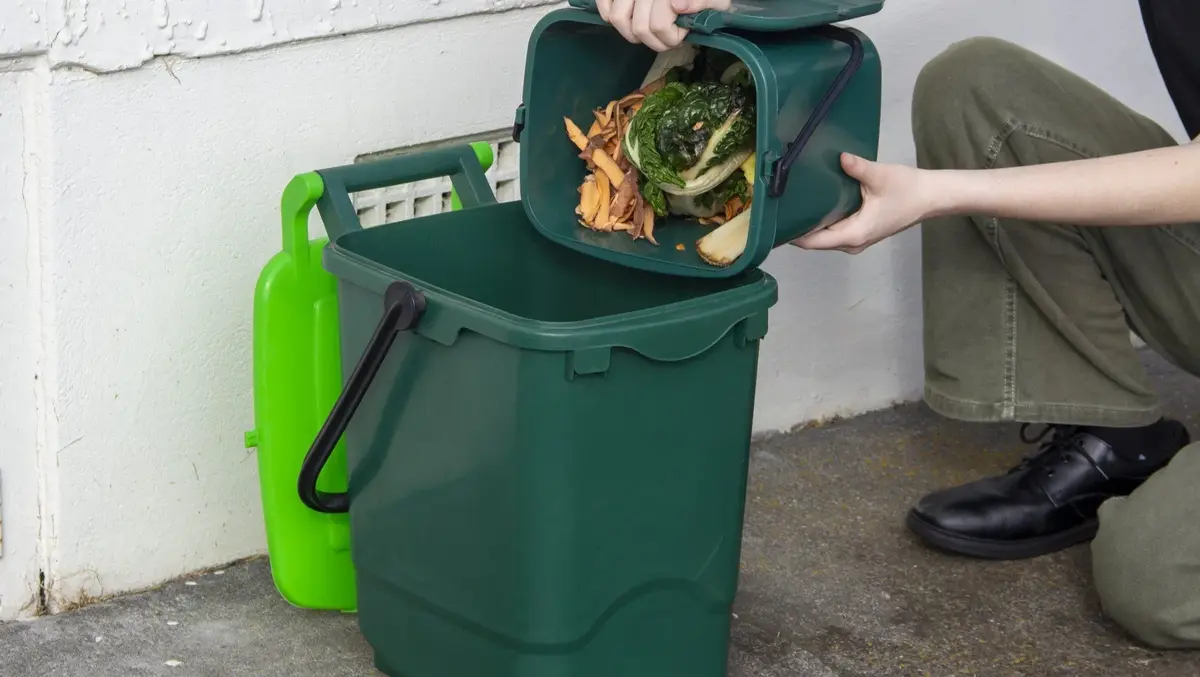
Thu, 19th Nov 2026 (Today)Kerbside green waste collection could be trialled in Marlborough as part of an initiative to turn the region's organic waste into lucrative fertiliser and animal feed.
The three-year $2.6 million insect bioconversion and anaerobic digestion pilot programme at Bluegums Landfill will be led by Marlborough Research Centre with support from the Bioeconomy Science Institute Maiangi Taiao.
Insect bioconversion uses insects such as black soldier flies to transform food waste into a mealy byproduct that could be used in animal feed, pet food or fertiliser.
Anaerobic digestion used micro-organisms to break down organic matter to produce heat and electricity, which could be used to heat the bioconversion process, making it more efficient and eco-friendly.
The pilot secured $1.42m in funding from the government's Waste Minimisation Fund. Marlborough District Council contributed $100,000 to the project from its annual $386,150 grant to the centre, up from $30,000 last year.
Marlborough District Council solid waste manager Mark Lucas told Local Democracy Reporting that the council had explored kerbside green waste collection in 2024.
It was not rolled out because the council could not find anywhere to put the organic waste other than in the landfill - at least until "the bug box", as Lucas called it.
An estimated 25,000 tonnes of organic waste goes to landfill in Marlborough each year, excluding byproducts from industries such as viticulture. Methane emissions from the landfill cost Marlborough ratepayers $1.4m a year in carbon credits.
Lucas said the council wanted to run a kerbside trial alongside the pilot programme, but the idea of trialling collection had been on ice until government funding for the bioconversion project was secured.
"A lot of water has to go under the bridge" before kerbside green waste collection could be confirmed as going ahead, he said,
Any kerbside collection trial would be "very limited", likely confined to one neighbourhood, he said. But if it succeeded it would be the biggest change to Marlborough's waste management "since the landfill itself".
"It's a total gamechanger," he said.
Marlborough Research Centre chief executive John Patterson said he was "rapt" the bioconversion pilot was going ahead. While bioconversion and digestion plants already existed in other regions, they had never been used together, he said.
If the pilot proved successful, a combined commercial plant - the first in Aotearoa - would be able to process up to 50,000 tonnes of organic waste a year, bringing in millions in revenue.
While Patterson was "pretty confident" the pilot would prove commercially viable, there was still a lot to figure out during the pilot, such as the cost of operations and the value of the fertiliser and animal feed produced.
"At the end of the day, it all comes down to dollars and cents," he said.
Natural health and pet supplement company Kōrure and food manufacturer Dry Food NZ had both hopped on the pilot. Kōrure would run the insect bioconversion plant and Dry Food would provide drying and milling services.
Kōrure chief executive Ron Park said in a statement that insect bioconversion "has the potential to shape New Zealand's circular economy".
Patterson said several interested commercial partners would be involved in developing the end products.