Palmerston North City Council's average daily fuel bill rises by $820
Tue, 13th Oct 2026 (Today)
The rising cost of fuel is forcing Palmerston North City Council to reassess its roading plans as it spent an extra $200,000 over the past eight months.
Council chief executive Waid Crockett revealed to Local Democracy Reporting it had spent $616,062 on fuel from February to September 2026, up from $417,629 in the same period in 2025 - an almost 50% increase.
Crockett said on average, the city council was spending an extra $823 every day on fuel - with the daily figure jumping from $1733 to $2556 over the same period.
Some work programmes relied "heavily on fuel and fuel-based products", especially road repairs, maintenance and resealing, he said.
Crockett said the council may need to change its summer roading works to manage budgets and avoid overspending.
The council had reduced planned work and would continue to "decrease the amount of work we can deliver, based on increasing costs" to avoid overspending, he said.
"We're still aiming to achieve as much as possible within the budgets that have been set by council."
Late last month the city council announced it had begun works to reseal roughly 37 roads as part of its summer programme.
The total cost of this work was about $3.8 million and was being completed by Fulton Hogan.
Each street would undergo a pre-seal repair process but some streets could have work deferred until next summer or only have specific sections resealed due to the cost of completing the whole job, the council's acting general manager of infrastructure Glen O'Connor said.
Fuel prices have climbed due to the US-Iran conflict, with the number of tankers crossing the Hormuz Strait dropping dramatically.
The international issue of fuel had only intensified in recent weeks due to Ukraine's strikes on Russian refineries and key fuel infrastructure and the growing conflict between Saudi Arabia and Yemen causing passage disruptions through the Red Sea.
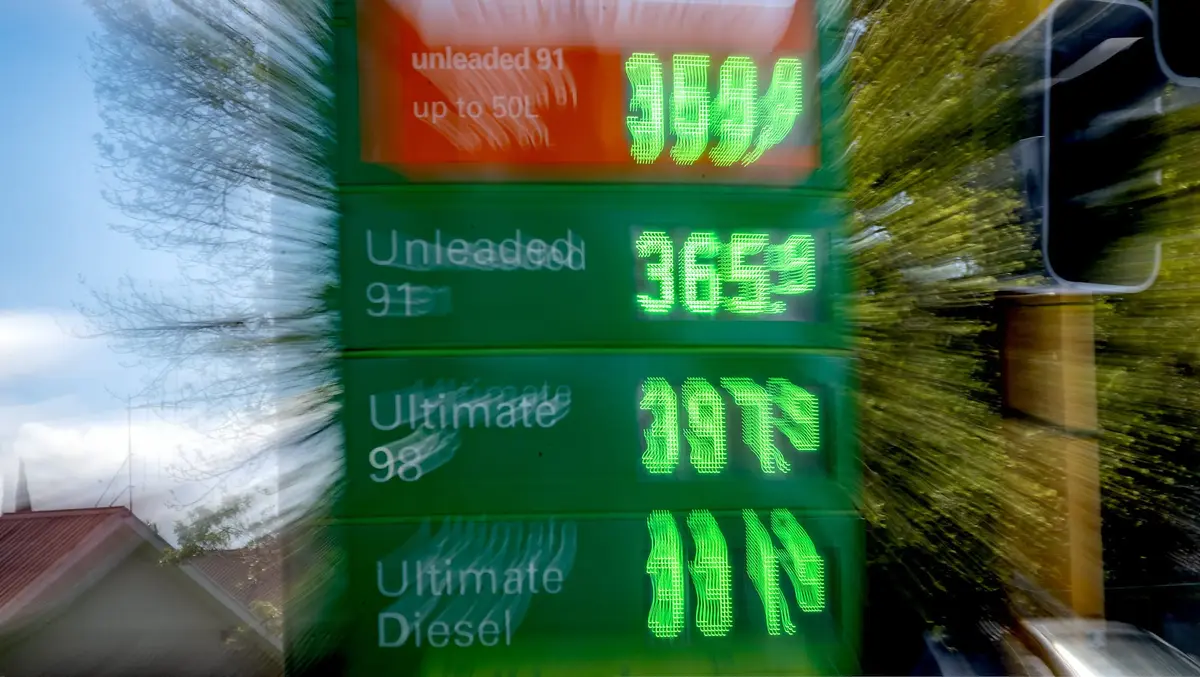
On Friday morning, the average price of 91 unleaded fuel in Aotearoa was $3.541 according to fuel monitoring site Gaspy - startlingly higher than the previous peak on Monday at $3.505 and April's $3.502 figure.
These same figures from Gaspy showed that the price of 91 unleaded fuel - generally the more affordable fuel option - was at least 30 cents higher than price of diesel on average around the motū.
Even last Thursday - where New Zealander's often anticipated a sense of relief through petrol stations' promotional discounts - Palmerston North's NPD station in Rangitīkei St offered little relief.
Prices displayed on Thursday evening had diesel listed as the cheapest option at $2.95.6, then came 91 unleaded fuel which was discounted to $3.316 and the premium 95 unleaded petrol was $3.476.
In April, mayor Grant Smith told Local Democracy Reporting the council was spending an additional $2500 per day on fuel related costs.
A month into the war in Iran, Smith said the council was grappling with the same uncertainty and "upward pressure on prices" that households and businesses had been experiencing since March.