How has the new CRL affected Auckland hospo? It's a mixed bag
Fri, 16th Oct 2026 (Today)
For several years, the world was not kind to Coco's Cantina, a pioneer in today's Karangahape Road restaurant scene.
First, bike lane construction began in 2019. Then there was turmoil from the Covid pandemic, followed by the loss of streetside parking due to new bus lanes. There were a few moments when co-owner Renee Coulter considered getting out of an industry notorious for slim profit margins.
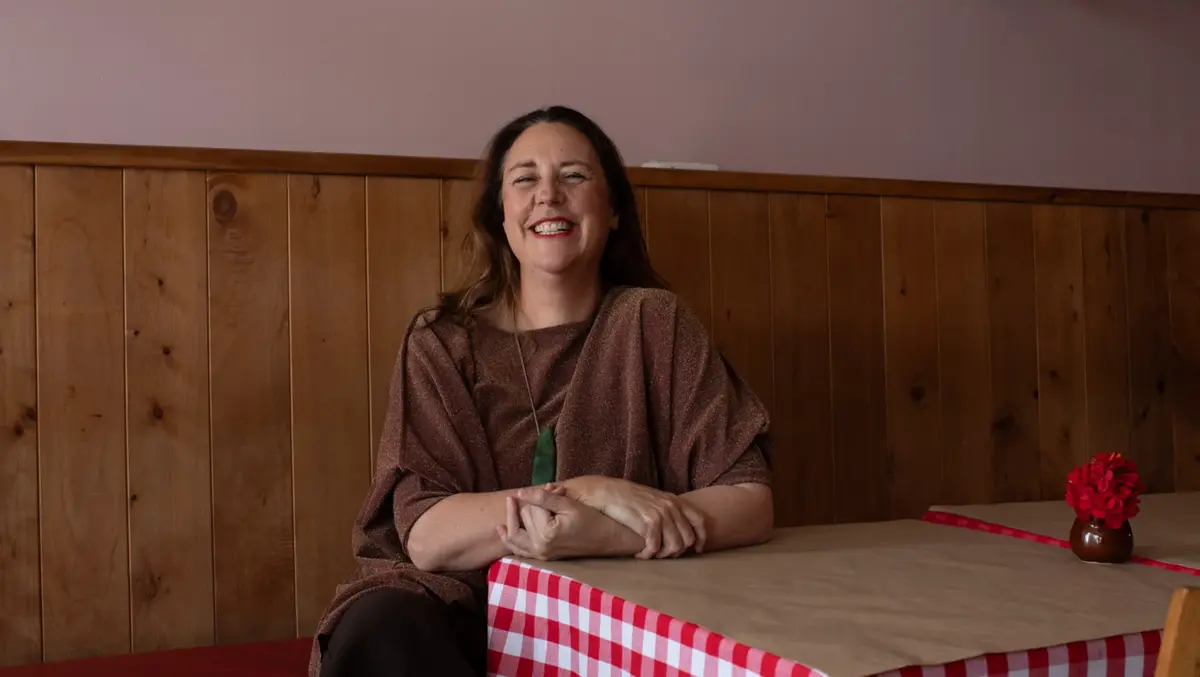
"And then the last four weeks have been great.
"Because the CRL finally, eventually, with much fanfare, opened and it wasn't a fizzer. It was actually fantastic."
It's been a month since the long-promised, long-delayed City Rail Link opened, adding two crucial and very grand stations to Auckland's existing rail network. One is underneath the city centre near the Sky Tower. The other is 33 metres below the storied Karangahape Road.
Since the project broke ground in 2016, surrounding hospitality businesses that survived have endured much, including disruptions from the CRL's construction, the pandemic and a cost-of-living crisis. Now that trains are running, hospitality is hopeful the spike in customers will stick. Some, especially those surrounding the city centre station, are still undecided if the pain was worth it.
PieFee, an award-winning pie shop and cafe on Karangahape Road, started opening on Sundays ever since the CRL opened to passengers on September 13. Business is brisk enough this month to continue as a seven-day-a-week business, says co-owner and operator Chamnan Ly.
"The staff can do some more work on Sunday, get more hours on Sunday.
"And our customers can also enjoy our products any day of the week, which is a win-win for everyone."
Ly bought the business about 20 years ago, when opening at 6am on Karangahape Road could feel unsafe. Since then, he has watched the area evolve from a seedy nightlife hub into a destination for families and shoppers by day, and diners and revellers by night. The CRL has complemented that transformation, he says.
"Before the CRL, the weekend here is always quite quiet, and since that opening, we see more people coming, especially families coming with kids and also a few senior people as well.
"Yeah, [Karangahape Road] is becoming more of an attraction."
Across the road from the city centre's Te Waihorotiu Station, cafe owner Neil Seck is underwhelmed by the small spike in business since the CRL opened. He opened the Amelia Cafe and Bakery nine months ago, but has operated Salon 101 next door for more than 30 years.
Business was "amazing" for the first two decades, but when CRL construction started in 2016, "it just dead."
Then came the pandemic and increased numbers of homeless people camping out in the city.
"I had to seek counselling because when things are so bad, I cry."
Seck believes that the new train line was a good investment for the city, "but I haven't seen the big kick regarding the business".
A block down Victoria Street, ice cream store Scrunchy Millers beckons customers in with a 1990s rap lyric, "Ice ice, baby", written in hot pink neon lights.
"There has been a little uptick," says owner Michael Kitching.
"Obviously, the season is getting warmer too and daylight saving."
He believes the CRL will have a positive long-term impact. It's already made it more accessible with an increase in families coming to the area, "which is great because we are an ice cream shop", he says.
Savan Bhasi from the Fresh Market CBD, a dairy on Elliott Street, has had a bump in commuter customers before and after typical office hours. However, he is largely doing the same sales figures as last year.
"After the finishing of summer and the tourist season, we can properly say that there is a difference... going on with the opening of the train station or not."
Dr Timothy Welch, a senior lecturer of transportation at the University of Auckland, says it's too early to know the true impact of the new line, but so far the ridership data is "pretty positive".
"We're looking at something like the west to city line, a 73 percent increase in boardings. The west to east line was a tripling in boardings."
The good news for hospitality is "the biggest growth on the rail was occurring for trips that are typically optional," says Welch.
"So people engaging in leisure activities or going shopping or meeting with friends, going to shops or cafes."
There has also been a significant increase in SuperGold card users, so those 65 or older, he says.
Large transport projects typically have a honeymoon period of between six and 12 months, says Welch. After that, people tend to figure out how it will fit into their regular life for commuting and fun. However, the CRL's true impact won't be known for another decade. By then, businesses will have reorganised around stations, families might move closer, and apartment and office buildings will start to go up, he says.
"That will be the long-term effects that continue to pay dividends into the public transport system for years, if not decades, to come."
Land use change is already being felt around the newly reopened station at Eden Terrace, which was closed for six years due to the CRL's construction. Delissimo Deli Cafe has seen a 15 percent bump in business, an upward curve that started about four months ago, says owner Zan Stoev. Offices have already moved to the inner-city suburb in anticipation of the station's reopening, drawn by speedy access to Auckland's city centre. More companies are relocating in the coming months, says Stoev.
"[Business] was a flat line for five or six years, so to see that increase - it's pretty good."