Earthquakes stories
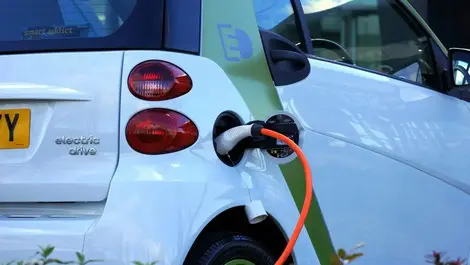
Rising petrol costs may force Canterbury buses to cut off-peak runs and delay planned service boosts as demand keeps climbing.
Climate risks are already costing New Zealand billions a year as the government faces renewed criticism for its patchy adaptation plan.
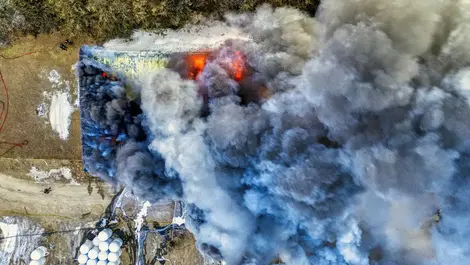
Poorly coded rules leave factories and hazardous sites exposed when floods, quakes or storms trigger fires, explosions or toxic leaks.
Rising grid strain and climate shocks are forcing Australia and New Zealand to speed up electrified, digital infrastructure for safer, cleaner cities.
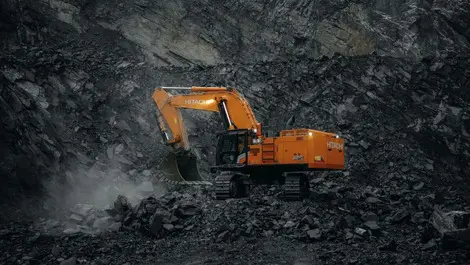
Consultation has opened on RMA reforms aimed at speeding infrastructure and quarry consents while tightening planning for natural hazards.
Measured against its assets, New Zealand's debt looks far less alarming, but spending cuts could still deepen the recession and hurt recovery.
Rising disaster repair bills are pushing infrastructure providers to weigh resilience upgrades against insurance costs as climate risks grow.
Insurance concerns and storm damage are pushing down values in parts of Nelson, with buyers wary of future natural hazards.
Experts warn the proposed fast-track regime could cut community input and leave major projects with weaker environmental scrutiny.
The report says Cyclone Gabrielle exposed how failures in power, water and communications can cascade across New Zealand's critical networks.
Severe weather, Covid and inflation are worsening New Zealand’s infrastructure, emergency readiness and cost of living, with repairs set to take years.
First in New Zealand to release its research datasets on the Registry of Open Data on Amazon Web Services (AWS), using AWS' Open Data Sponsorship Program.
Poor maintenance is costing firms billions through outages, water failures and transport disruptions, the G20 says in a new policy agenda.
Rising heat, flood and quake exposure is forcing operators to rethink resilience as Asia-Pacific data centre demand accelerates.
Iranian users began regaining access after an 88-day blackout, even as storms, power cuts and fibre faults disrupted networks elsewhere.
Banks can now pinpoint damaged collateral faster as ICEYE adds satellite data to help quantify climate-driven loan losses and stress tests.
UNESCO will deploy the AI-driven EDiSON disaster response system in the Solomon Islands to enhance early warnings for cyclones and floods by 2026.
Pressure is mounting on operators to add 5G sites faster, and the tie-up offers a fibre-like route around delays in Indonesia.
The new hub aims to give researchers and students access to high-end computing for health, farming and disaster response projects.
Japanese firm Synspective partners with Uzbekistan and Kazakhstan for disaster management, utilising SAR satellite data to predict and mitigate natural catastrophes.