Decarbonisation stories
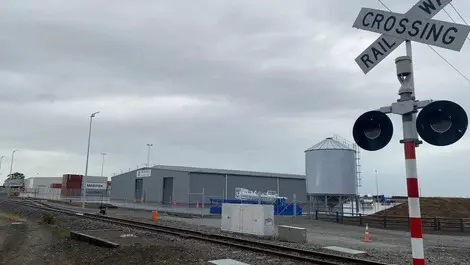
The hub is expected to take 40,000 truck movements a year off Mid Canterbury roads and cut freight emissions by 70%.
New research says tighter oversight of five sectors could make New Zealand’s emissions scheme cut pollution faster without slowing growth.
New funding models are needed to close a financing gap that is leaving marine ecosystems under-protected as climate and biodiversity pressures mount.
Hewlett Packard Enterprise and Danfoss unveil a sustainable data centre heat recovery solution, aiming to curb energy use and repurpose excess heat, amid rising AI energy demands.
Schneider Electric launches AI at Scale podcast, exploring real-life AI applications with industry experts, aiming to demystify AI and promote sustainable tech.
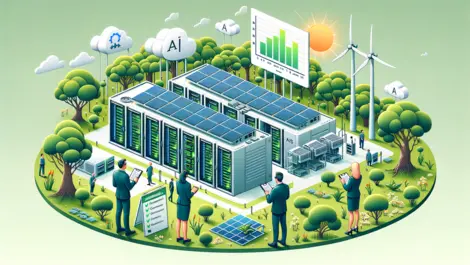
Australia's data centres face significant environmental challenges, with rising carbon emissions set to double by 2030 due to energy-intensive AI applications, warns industry experts.
A Gartner survey finds 79% of APAC CEOs see sustainability as key to 2024 growth, outpacing the 69% global average, highlighting its rising importance.
As World Environment Day nears, Australia's AU$399 million move to boost its Net Zero Economy Authority shines a spotlight on the UK's business struggle needing £ support.
Schneider Electric and Capgemini unveil Energy Command Center platform to cut building energy use and emissions with AI and IoT.
Accenture acquires Partners in Performance to boost capabilities in asset-intensive sectors, focusing on AI-driven productivity, cost improvements, and sustainability.
Accenture acquires strategy consulting firm Partners in Performance to enhance offerings in asset-intensive industries with advanced data and AI capabilities.
Teletrac Navman unveils groundbreaking tools, EVE and Sustainability Dashboard, to aid fleet operators in smooth, cost-effective decarbonisation efforts.
Freight transport innovators like KoolPak and FreightExchange spearhead sustainable efforts amid concerns of governmental policies undermining decarbonisation goals.
Last Energy, a nuclear energy start-up, unveiled a prototype of a micronuclear reactor at a conference, positioning it as an affordable, sustainable solution for the high energy demands of data centres.
BuildingMinds and GOLDBECK have partnered to enhance ESG-compliant growth in real estate, utilising data-driven insights for capital management firm HANSAINVEST, bolstering the resilience and feasibility of property portfolios.
Teletrac Navman unveils its Electric Vehicle Evaluator (EVE) platform and Sustainability Dashboard to aid fleet managers in seamless, cost-effective decarbonisation.
Kaluza appoints Gavin Mooney as General Manager for Australia, bolstering its global expansion with key hires in marketing and engineering to drive energy innovation.
EMCOR UK intros Carbon Transformation service, advancing the firm's decarbonisation drive with tailor-made, evidence-based solutions, directed by industry experts Kam Singh and Richard Lewis.
AirTrunk partners with CLP Power Hong Kong to instigate the city's largest site-specific renewable energy certification (REC) procurement, supporting Microsoft's goal of achieving 100% renewable energy usage by 2025.
London-based Mesh-AI fortifies energy sector operations, appointing ex-Amazon Web Services experts, Jacob Parsons as Chief Revenue Officer and James Houlton as Director of Energy and Utilities.














.webp)