Climate resilience stories
Poorly planned tree planting could raise emissions and damage biodiversity unless projects protect existing forests and suit local conditions.
Up to 30 percent of Wellington’s drinking water is lost to leaks, prompting a unanimous council push for urgent infrastructure upgrades.
Climate pressures and city growth are pushing utilities to rethink costly central plants in favour of smaller systems that boost resilience.
Barcelona-style green zones could cut pollution and boost health after Covid-19, but risks of gentrification and cost remain.
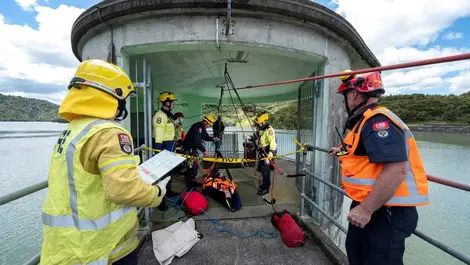
Residents could soon have 48 hours’ water supply in an earthquake as work starts on a GBP £68 million Wellington reservoir.
New Zealand’s recovery could stall without fresh spending, as lawyers urge the next government to widen shovel-ready funding and speed reform.
Funding will still fall short of fixing decades of underinvestment, with experts warning roads and rail need more to meet safety and climate goals.
Lockdowns have exposed costly staffing risks in water and wastewater plants, strengthening the case for remote monitoring and automation.
Councils face pressure to back long-delayed water reforms as NZD $761 million in funding is tied to fixing ageing networks and service failures.
Global cooperation and heavy state intervention would favour low-carbon infrastructure, while fossil-fuel projects and greenfield builds are marginalised.
Regional blocs and national champions could leave infrastructure slower to innovate, more monopolistic and less resilient as climate risks mount.
New rules will impose tougher farm controls and swimming standards, but scientists warn implementation will determine whether waterways actually improve.
New roads, rail, schools and hospitals should help address years of underinvestment, though critics question whether USD $12 billion is enough.
Fresh funding and planning reforms could speed up roads, water and housing delivery as New Zealand seeks to ease infrastructure bottlenecks.
The Waimakariri District Council’s red-zone recovery work has been recognised as best in the Commonwealth for helping rebuild earthquake-hit communities.
Customers in Auckland could face shorter outages as Vector and IBM use weather forecasts and AI to spot storm and vegetation risks up to 72 hours ahead.
The deal should improve certainty for contractors and could cut costs as Watercare pursues long-term savings and sustainability goals.
The hexagon-shaped platforms are designed to keep up to 10,000 people safe from floods, tsunamis and hurricanes as seas rise.
Rising climate risks are pushing planners to urge stronger resilience in communities, buildings and disaster recovery across New Zealand.
Road contractors warn a nearly GBP £3 billion roading shortfall over two years is delaying jobs and leaving crews idle across New Zealand.