Climate resilience stories
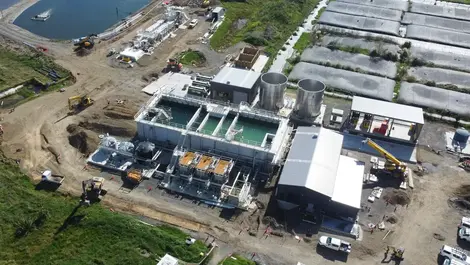
Northland residents could see the first open-ocean treated wastewater outfall in over a decade, with final approvals due before year-end.
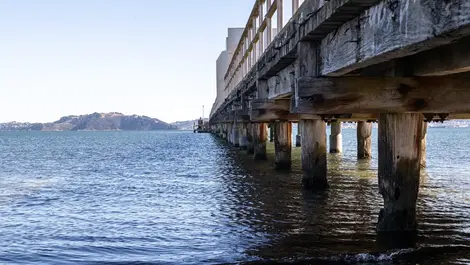
Ratepayers are set to fund the first stage of the long-delayed $11.6 million repair, after demolition plans triggered a 6,000-name protest.
Capacity constraints in Wellington should ease as a 200-tonne-an-hour plant boosts asphalt supply for roads, ports and airports.
Voters are being asked to weigh party plans on transport, water and energy as Infrastructure New Zealand pushes infrastructure up the election agenda.
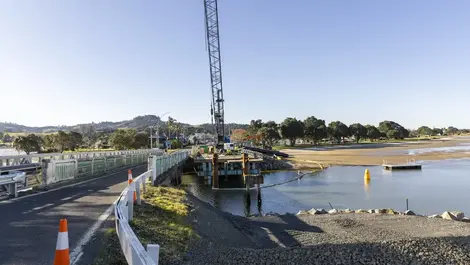
Traffic on the Coromandel's busy SH25 should ease next year, as NZTA replaces the ageing Ramarama Stream Bridge for NZD $10 million.
Safer landings and stronger shipping links are expected for remote Penrhyn after the United States and New Zealand pledged funding for a port upgrade.
Westport's flood defences face further delay after a USD $6.7 million Government funding bid was turned down, widening the scheme shortfall.
Motorists on State Highway 25 should see fewer bottlenecks from next year as NZTA replaces the ageing Ramarama Stream Bridge with a two-lane crossing.
Ratepayers could face a NZD $141,388 repair bill as Hauraki council moves to bring three water plants up to code.
The new software aims to turn climate data into day-to-day choices on supply chains, sourcing and carbon budgets as disclosure rules tighten.
Renewables are leaving New Zealand well placed for data centres, but ABB says grid upgrades and smarter use of existing assets are needed.
Rising data demand is driving emissions higher in parts of Asia Pacific, as mobile operators struggle to secure cleaner electricity.
Rising demand from insurers and brokers has helped the firm double its client base this year as it adds new catastrophe models and executives.
The proposed AI hub in Bhubaneswar will gain industry backing and mentoring support as Blue Cloud commits INR 4 crore to the project.
Most UK businesses are feeling climate hits to sales, but only 5% have fully measured the financial damage, Capgemini says.
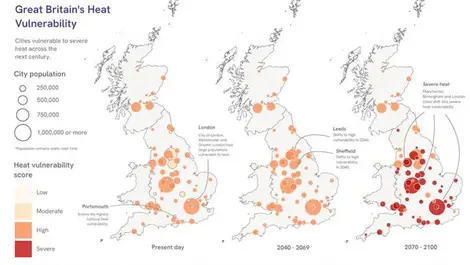
Cities across Great Britain face worsening heat risk, with Portsmouth already most exposed and all 71 projected to be highly vulnerable by 2040.
Software tools are helping engineers save time as Australia braces for a shortfall of about 150,000 staff over the next decade.
More than 700 leaders in Singapore will gain new support to turn sustainability pledges into action through training and peer-learning schemes.
Authorities could miss dangerous slope hazards on steep routes unless aerial checks become routine, Civil Geotechnical Consultants says.
The clean energy developer is sharpening its governance as it advances projects in Australia and prepares for a public unlisted listing.