Civil Engineering stories
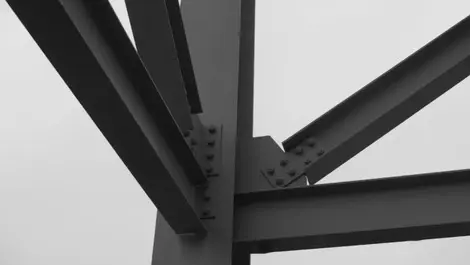
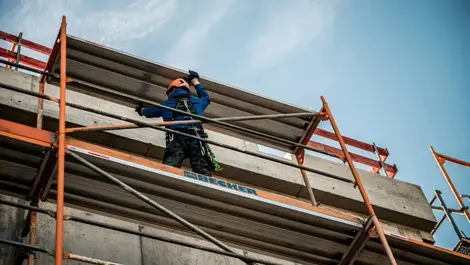
Record entries underline how new plant and global best practice are helping steel contractors deliver more complex buildings across New Zealand.
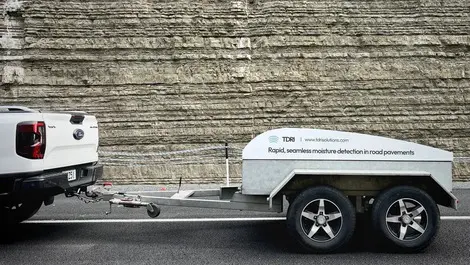
A new moisture-sensing tool could cut road deterioration by 2.5 times, helping asset managers avoid costly reactive repairs across networks.
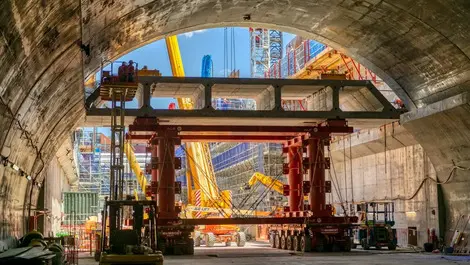
The early finish on Brisbane’s Cross River Rail is set to ease congestion, cut peak travel times and add capacity for 9,000 more passengers a day.
Only 7 percent of respondents trust the country's infrastructure to withstand extreme weather, as spending and project certainty falter.
Finalists from more than 50 entries will vie for the Toki Paraihe, with 32 projects shortlisted across six categories.
In civil construction, the concept hinges on system boundaries, with finite resources, waste and carbon shaping whether projects can endure.
With the election looming, contractors warn promises will mean little unless parties fund a clear pipeline of infrastructure work.
Engineers could soon face registration and licensing rules designed to lift standards and improve public confidence after past failures.
Civil contractors warn the next emissions plan could slow vital infrastructure delivery unless it backs proven low-carbon options and recycling.
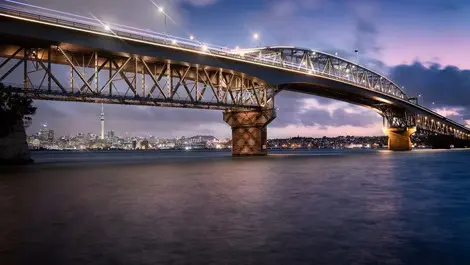
Auckland businesses face repeated disruptions as the transport agency’s lower wind thresholds keep forcing Harbour Bridge closures and delays.
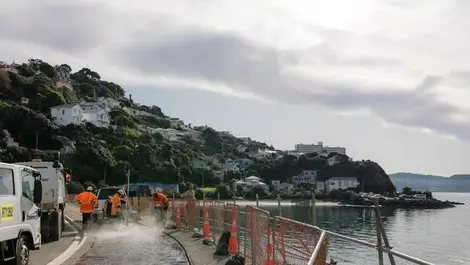
The new paths should help Wellington residents travel more easily while diverting waste concrete and asphalt from landfill.
Construction firms have until 26 June to share views on workforce, technology and sector issues in a survey cited by MBIE.
With weather damage, economic uncertainty and an election looming, Civil Contractors New Zealand wants construction professionals to weigh in before 26 June.
Real-world subdivision design projects are giving civil engineering students hands-on experience tackling housing and water shortages across New Zealand.
A long-awaited overhaul of New Zealand’s most used building contract is intended to cut disputes and improve fairness across the sector.
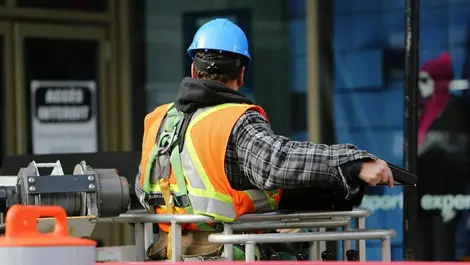
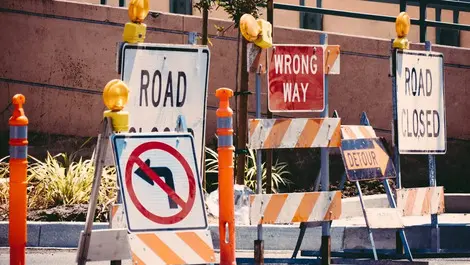
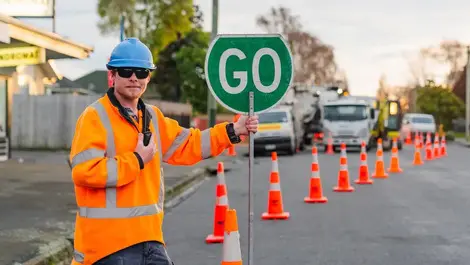
Road workers and motorists could face fewer delays as traffic management shifts to site-specific risk assessments under new guidance.
Severe weather, Covid and inflation are worsening New Zealand’s infrastructure, emergency readiness and cost of living, with repairs set to take years.
Longer-lasting concrete could cut emissions by reducing replacements, as cement accounts for up to 8% of global CO2 output.
A new industry panel will shape New Zealand’s switch to risk-based roadworks safety rules, with 12 appointees chosen from 38 applicants.
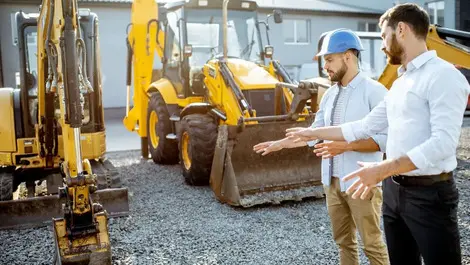
Creditors will see proceeds from more than 350 pieces of late-model earthmoving kit sold in New Zealand's biggest insolvency auction of its kind.