Wairoa's floods help drive change to emergency management law
Thu, 3rd Sep 2026
Wairoa District Council mayor Craig Little has welcomed new emergency management legislation, saying recognition of local knowledge is important for communities like Wairoa.
His comments follow the final reading of the Emergency Management Bill in Parliament last Friday, which aims to strengthen New Zealand's emergency management system and give authorities greater powers to take precautionary action before a state of emergency is declared.
Minister for Emergency Management and Recovery Mark Mitchell said he had been with communities like Wairoa that raised genuine concerns about the speed at which its river mouth was being opened.
The changes will mean Emergency Management Committees - made up of representatives from councils in each region - can green-light essential work such as clearing debris and opening river mouths in the days leading up to severe weather events and other potential emergencies.
"The locally-led approach is fundamental to our emergency management system, and our local councils and emergency teams do an extraordinary job at managing challenging, adverse events – I've seen this first hand," Mitchell said.
"These changes will support the work they do, not detract from it."
Little said it was encouraging to see the Government acknowledging past issues and recognising the importance of local knowledge.
"Our council has continually and consistently raised the need for all decision-making to be made close to the communities that are impacted, and it is reassuring to see the legislative change reflecting this," Little said.
The Government promised in 2024 to strengthen New Zealand's disaster response capacity following inquiries into its emergency response system, including its response to Cyclone Gabrielle.
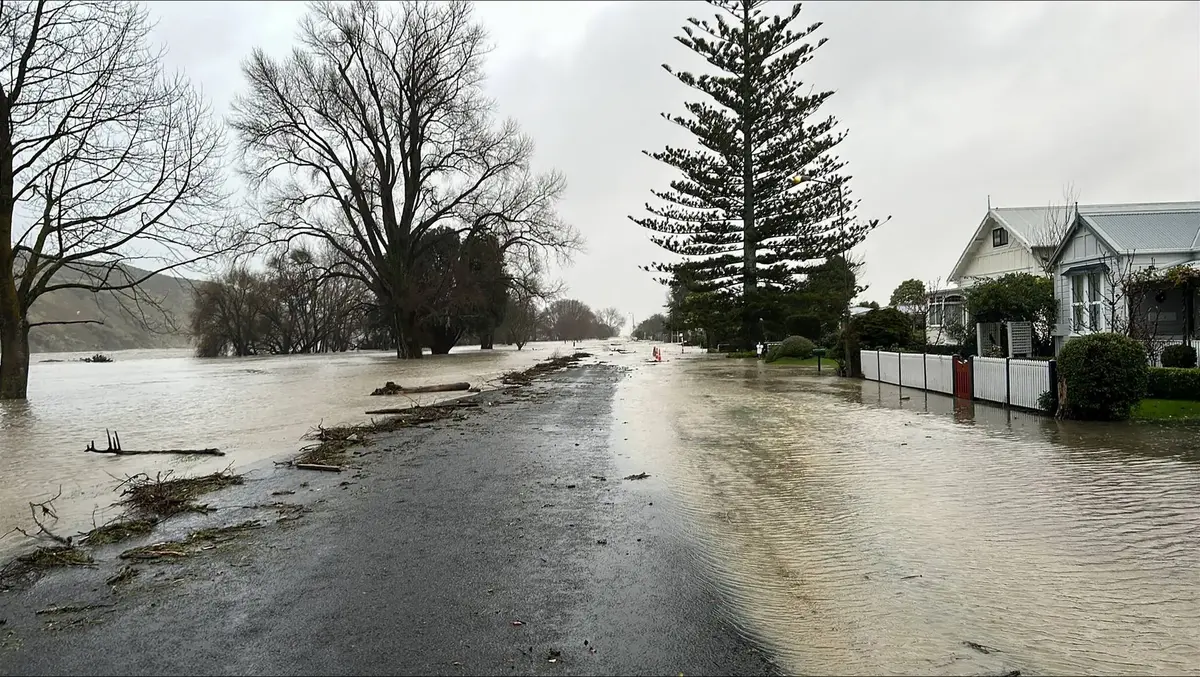
On June 26, 2024, Wairoa was flooded after the river burst its banks, causing millions of dollars' worth of damage just over a year after the devastation of Cyclone Gabrielle.
Little at the time criticised Hawke's Bay Regional Council for not opening the bar sooner to allow water to escape to sea.
Hawke's Bay Civil Defence Emergency Management said it supported the changes.
Director of the HB Emergency Management Office Shane Briggs said the group had consistently backed modernising the legislation to build a stronger, more community-centred system, and that enabling earlier precautionary action before an emergency was a sensible step.
"The reforms are designed to strengthen the system for all communities," he said.
"The greatest benefit should be felt by those more exposed in an emergency, such as rural and isolated communities and communities that are disproportionately affected. Iwi Māori will also benefit through stronger partnership across the emergency management system."
Napier MP Katie Nimon spoke on the final reading of the Bill before it passed in Parliament.
Nimon said Cyclone Gabrielle was massive for Hawke's Bay.
"We went through so much as a community; there was so much pain. People lost their lives and their livelihoods."
She said the silver lining of conversations with the community afterwards was that something was going to change.
"I am so proud of what has changed as a result."
She said it was important that, when something like this happened again, the community had the power and protection to do what they needed to do before an event so "we can protect as many lives as we possibly can".
The bill replaces the 24-year-old Civil Defence Emergency Management Act 2002.
Other changes include clearer roles and responsibilities, supporting key players in the system, ensuring iwi Māori have a stronger voice in emergency management through representation on committees and greater involvement in developing regional and national emergency management plans, and improving how animal welfare is managed during and after emergencies.