Kāpiti Coast weighs up $1.4m splash on manu pool
Tue, 1st Sep 2026
An estimated $1.44 million could be plunged into a deep water manu pool for Ōtaki, if councillors approve it on Thursday.
It is one of several updates included in a long-planned major redesign of the existing Ōtaki pool.
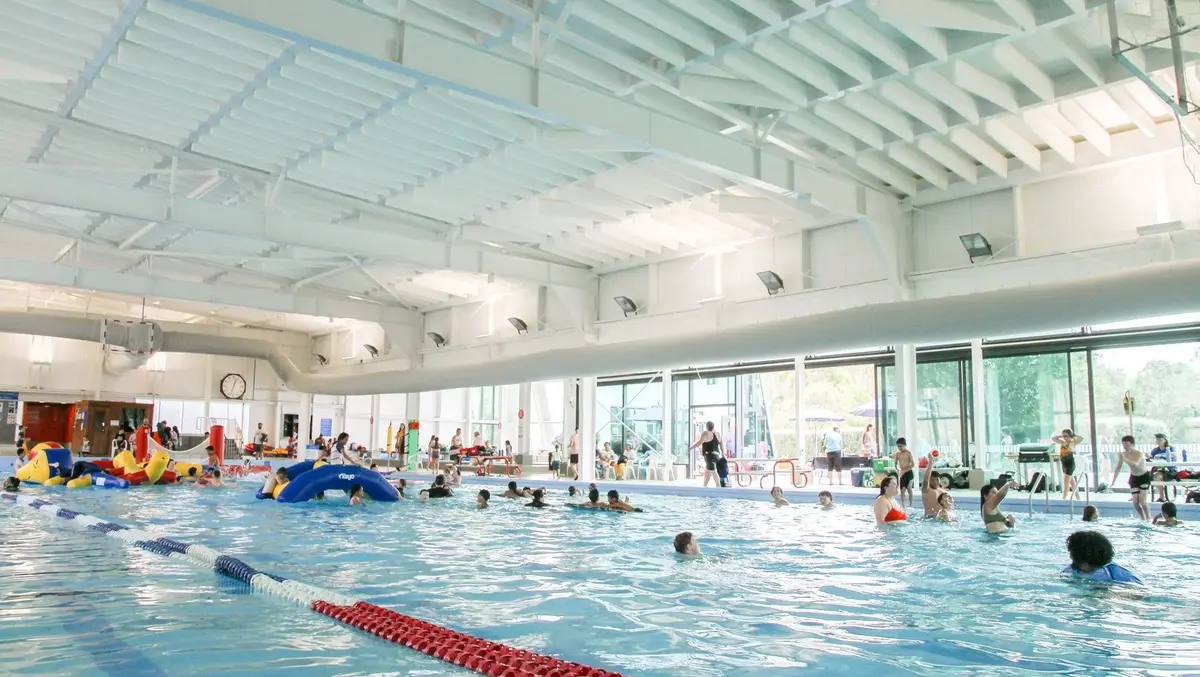
The design also proposes dividing the main pool into two areas, new changing rooms, as well as a new treatment and heating plant.
Kāpiti Coast district councillors will decide during a Thursday council meeting whether to approve a $16.2m construction budget for the project, up from the current $11.1m. If it proceeds, the pool would close for about a year for construction starting in April or May next year.
A council paper said the deep water pool could be used for more than recreation, for training on water safety, rescue and waka ama. It could also make deep water aquafit and aqua jogging possible, with these classes available only at the Coastlands Aquatic Centre at Paraparaumu.
Culturally, manu were "embedded in the recreational life of Ōtaki's tamariki", the paper argued, meaning it would be a great attraction for schools and "perfect for local demographics".
Being the only manu pool in the lower North Island, the paper added, it could attract outside visitors and become a "distinctive regional attraction". It also said the manu pool would be "exponentially more expensive later on".
Located in a fast-growing area, the Ōtaki pool is becoming one of the Kāpiti Coast's busiest swimming pools, with the number of visitors each year grew from 47,000 to 73,700 over the last three years, according to the council's figures. The closest pools at Coastlands and Levin were about 25 minutes away with poor public transport connections.
Ōtaki pool's refurbishment began in 2013. The first stage to add a free splashpad, double-glazed windows, replace the building's cladding, install new insulation and strengthening structural steel.
Council officials considered between adding a hydroslide and deep water pool with three jumping platforms. They recommended against a hydroslide because it was expensive to run and doubled up with nearby pools in Levin, Waikanae and Coastlands.
The plan also proposed to split the 33m long main pool into a 25m lap pool and a separate 8m warm water pool, to provide more swimming classes, fitness sessions.
Its existing changing rooms, built in the 1968, no longer meet current code requirements and must be upgraded. The pool's treatment and heating plant was using obsolete technology, was expensive to run and caused frequent service interruptions.
"Deferring construction significantly increases the risk of pool closures due to potential plant failure adding avoidable costs to council," the paper said. "Bringing the project forward reduces these risks, including operational disruption, reputational impact, and health and safety concerns."