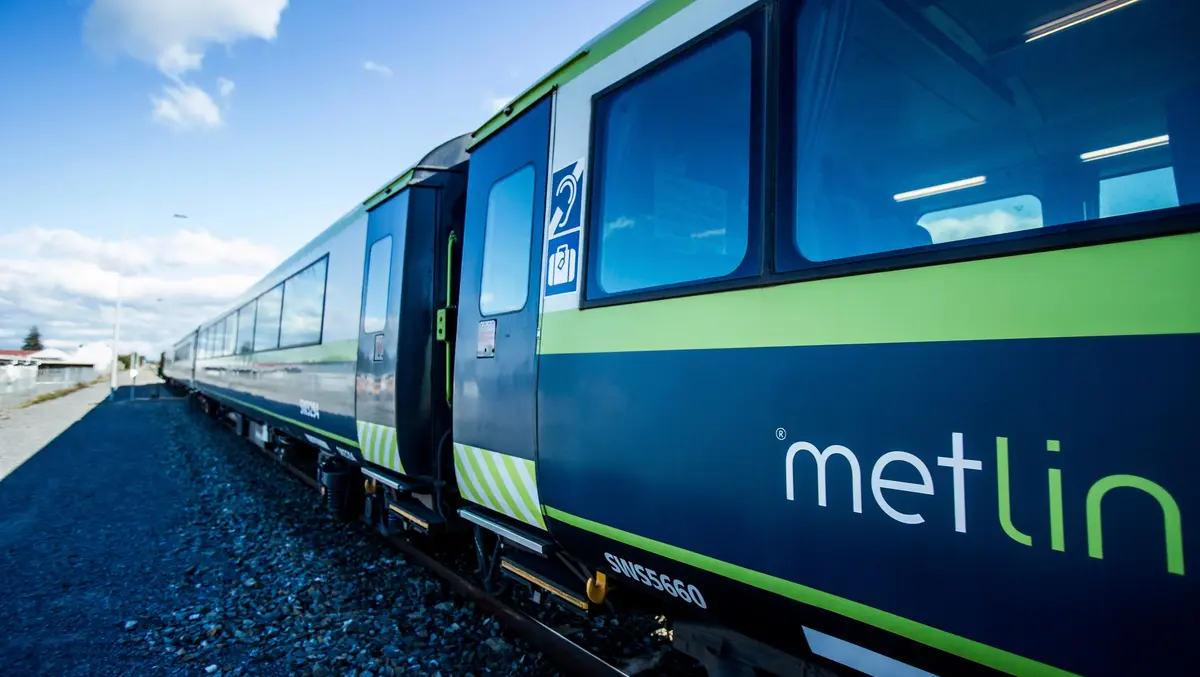
Summer shutdown to bring Wairarapa rail into the modern era
Mon, 23rd Nov 2026 (Today)A new train signalling system for Wairarapa will be ready to go in the new year, replacing an old-school system in place since the early 1990s.
The upgrade will eventually allow up to seven trains during the morning peak, compared with the current three, helping prepare the line for the new battery-electric Tūhono trains expected in 2029.
The summer works were also expected to allow several temporary speed restrictions to be lifted, removing some of the constraints that currently slow trains down.
Under the older signalling system, train drivers had to receive permission from train control by radio, writing it down and reading it back before the train could move.
KiwiRail said the system had worked safely for more than 30 years but was built for a quieter line than the one that was on the way.
To get the signalling and other upgrade works completed, the Wairarapa Line would close for a period over summer.
From December 26 up to and including January 4, there would be no trains between Wellington and Masterton and bus replacements would run the whole way.
From January 5 up to and including January 25, trains would run between Wellington and Upper Hutt while bus replacements would continue between Upper Hutt and Masterton.
Greater Wellington councillor John Hart said he was "cautiously optimistic" commuters would soon reap the benefits.
"Every year, we have this block of line work, and this year it is longer than previous years, but this is really major work going on that will make a big difference in the future."
After the summer works, the Wairarapa Line would be using the same signalling system that already ran in Auckland and most of Wellington.
Train control would see every train on a screen, trains will be able to run closer together and would be able to pass each other at the new crossing loop at Woodside.
"And when one service runs late, the one behind it will be less affected," Hart said.
The improvements are expected to reduce the knock-on effects of some delays, although significant faults and disruptions will still affect other services.
Getting to this point had taken two years – 40km of ducting, close to 300km of cable, a new passing loop, a rebuilt freight yard at Waingawa, and level crossing upgrades along the length of the line.
"It's a huge piece of work and we are still catching up on decades of underinvestment in the rail system, but a lot of that work is starting to bear fruit," Hart said.
He hoped there would be "a lot more little improvements" for Wairarapa commuters but noted there was "still a lot to do" especially when it came to scheduling options and welcoming in the new Tūhono trains.
Designs were due to be completed by mid-2027 and the first train was expected to arrive in New Zealand for testing in mid-2028.
The Tūhono trains were anticipated to enter operational service in 2029, and improve service frequency between Wellington, Wairarapa, and Manawatū from late 2030.