Bentley Systems, the global infrastructure engineering software company, is set to acquire New Zealand company Seequent.
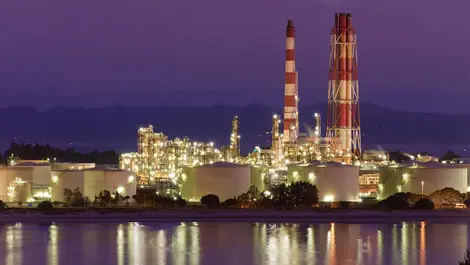
Wastewater plants could cut costs and emissions by generating surplus heat and power, as Copenhagen and Turku already show.
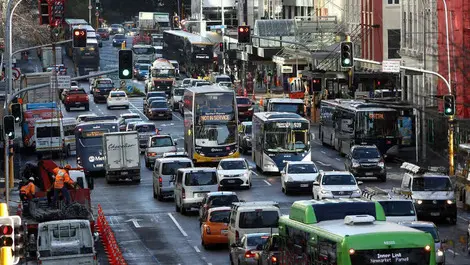
Despite a $31 billion investment, Aucklanders are being warned motorway queues and emissions will still rise under the transport plan.
Plastic waste could cost EU taxpayers or shoppers more as Brussels moves to levy EUR €0.80 per kilogramme on unrecycled packaging.
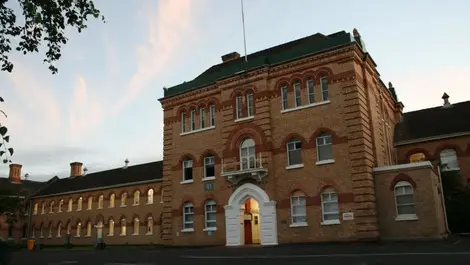
Owners of unsafe buildings can face deadlines of 7.5 or 15 years to strengthen or demolish them, with council support available.
Experts say missed warnings, weak global co-ordination and patchy vaccine logistics left the world exposed to COVID-19 and another outbreak.
Rising retirements and digital skills gaps could push up infrastructure costs and slow delivery unless firms train workers in data and robotics.
Establishing a carbon baseline gives firms a starting point to cut emissions, compare sites and plan against future climate targets.
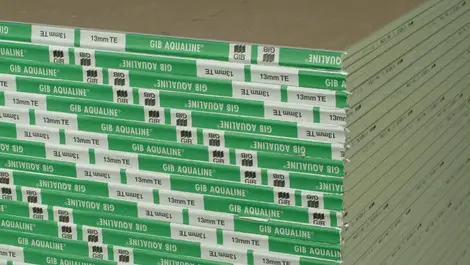
By automating quotes online, the platform cuts wasted site visits for tradespeople and is now targeting 150 tiling businesses.
Repeated COVID-19 border failures have exposed gaps in New Zealand's managed isolation system, prompting calls for tougher controls and better quarantine.
Planning certainty may improve if the RMA is replaced, but businesses and councils fear new laws could still trigger costly litigation and delays.
Poorly planned tree planting could raise emissions and damage biodiversity unless projects protect existing forests and suit local conditions.
Up to 30 percent of Wellington’s drinking water is lost to leaks, prompting a unanimous council push for urgent infrastructure upgrades.
Public consultation begins on a draft plan that says faster action is needed if Aotearoa is to stay within its climate targets.
Clean energy stocks may stutter in 2021 even as investment, EV sales and solar and wind capacity all hit fresh records.
Additional public and transitional homes will be targeted at regional centres where demand has surged ahead of supply, worsening rents and overcrowding.
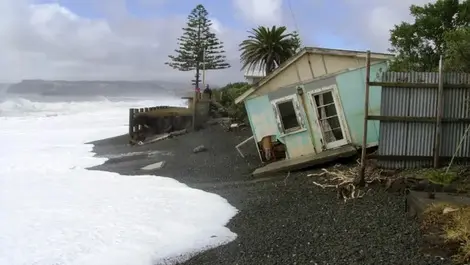
Plants could stop buffering a third of human emissions within 20 years, making climate change harder to slow as warming rises.
Climate pressures and city growth are pushing utilities to rethink costly central plants in favour of smaller systems that boost resilience.
Access to devices and flexible learning is becoming a bigger issue as more Kiwi pupils study part-time online over summer.
South Australia’s push to export renewable energy will add 40,000 tonnes of ammonia a year, backed by GBP £37 million for Port Bonython.