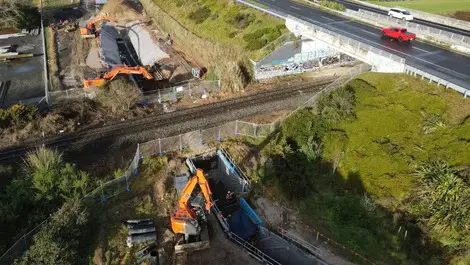
Creditors will see proceeds from more than 350 pieces of late-model earthmoving kit sold in New Zealand's biggest insolvency auction of its kind.
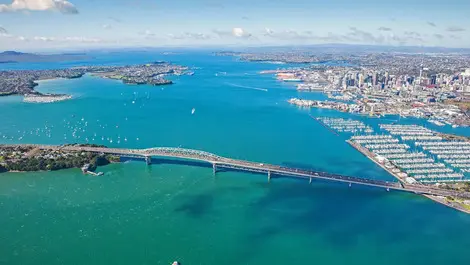
Public consultation on the Waitematā Harbour crossing begins with options costing up to GBP £12.5 billion and facing carbon concerns.
Travellers will soon pass under one roof as the airport replaces its ageing 57-year-old domestic terminal in a NZD $3.9 billion rebuild.
Poor water management could worsen shortages unless New Zealand uses IoT sensors and data to track use and cut waste, Alison Mackie says.
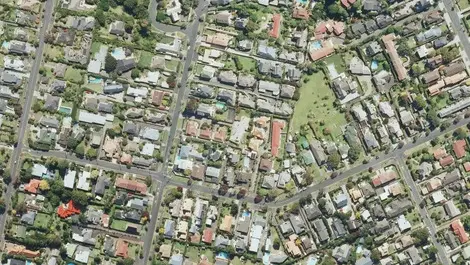
Urban trees and gardens are shrinking as intensification raises heat, flooding and liveability risks for New Zealand’s cities.
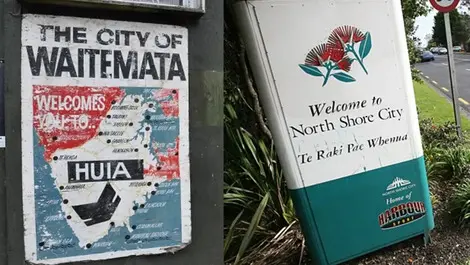
Auckland ratepayers are facing renewed scrutiny of amalgamation as critics say bigger councils bring higher costs, weaker oversight and less local control.
Councils could face heavier compliance costs and less say over local water services if the current reform model goes ahead, LGNZ says.
Councils could lose influence over local planning as new regional committees shift decisions further from communities and raise funding concerns.
For coastal New Zealand, the lesson is that resilience will hinge on working with nature, not relying on engineering alone.
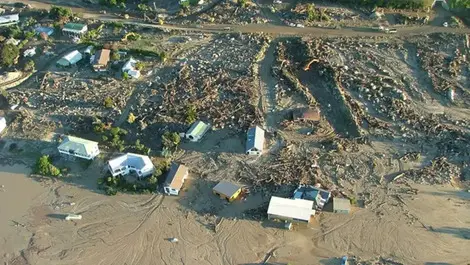
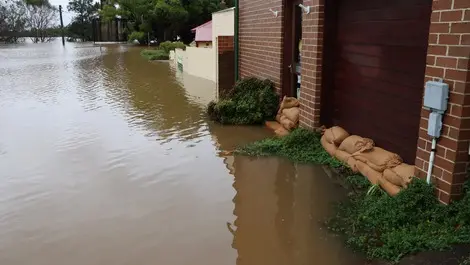
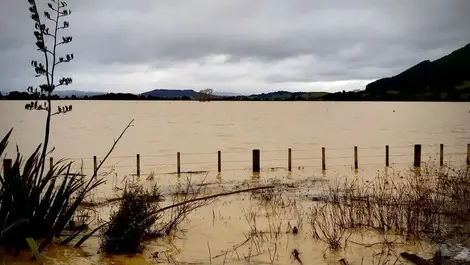
Experts warn rebuilding in flood-hit areas could lock communities into repeated damage, forcing a national rethink on who pays to move.
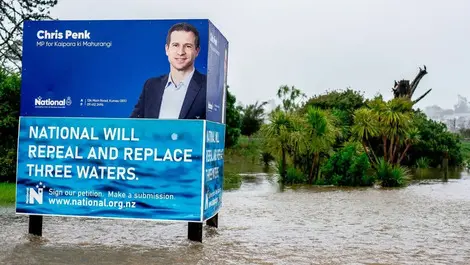
Struggling councils would likely face heavier rates or extra borrowing under National’s plan, as water upgrades remain badly underfunded.
Spark has reported a $837 million profit for the six months to the end of December, thanks to the sale of a majority stake in its cellphone towers.
Rising costs and delays are pushing builders towards film-style workflows that let design, engineering and construction overlap more efficiently.
Communities face repeated outages and costly repairs unless planners shift to more resilient, wellbeing-based infrastructure decisions.
Honeywell is working with Link Alliance to install integrated control system and communications system for Auckland's City Rail Link Project.
Productivity could jump as much as tenfold for coders, while AI specialists warn the tool still makes mistakes and needs human oversight.
Back-to-back storms are exposing weaknesses in Auckland’s ageing drainage system and testing community recovery after record flooding.
New Zealand civil contractors are being urged to enter awards that judge projects as far afield as the Chatham Islands before 23 June.
New Zealand growers could face higher food costs and poorer water security if reform leaves storage projects harder to finance, IrrigationNZ says.
Critics say the extension shifts more than NZD $1.3 billion a year from roads to petrol discounts, favouring higher earners over low-income households.