Rising material costs and supply chain disruption are forcing builders to rethink budgeting, with digital tools increasingly filling the gap.
Women hold just 12% of New Zealand trade jobs, as Competenz warns employers must do more to ease shortages and bias.
Plastic pollution in rivers, oceans and wastewater systems could finally face tougher global rules after nearly 200 countries backed a UN treaty.
Government funding for a new timber knowledge hub could help slash emissions in New Zealand’s mid-rise apartments and offices.
Rising costs and supply chain strain have left owners and subcontractors facing delays, overruns and wider disruption after Probuild's collapse.
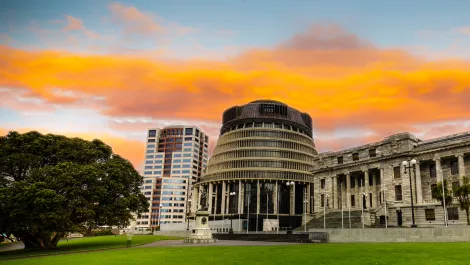
Retail and hospitality firms in Wellington will get relief from fees, parking charges and rates as the city seeks to cushion Omicron losses.
Poor interview questions can leave employers with candidates who fit the role on paper but damage culture, trust and teamwork.
Most construction firms cannot see third-party risks clearly, leaving projects exposed to delays, cost blowouts and compliance failures.
Wages are largely up this year, so money may not be the factor it once was in influencing employees willingness to resign.
Auckland, Bay of Plenty, Taranaki and Wellington now top the pay table, as median hourly wages climb to NZD $27 across trades and industrial jobs.
Workers have walked out for 48 hours after union claims wages have lagged behind soaring demand and a GBP £70 million revenue stream.
Employers face fresh staffing risks as phased border openings may speed departures and delay the return of skilled migrants.
Critical services can keep close contacts at work, easing staff shortages as New Zealand’s Omicron response begins on Wednesday.
Labour shortages and supply bottlenecks are pushing New Zealand construction inflation to one of the OECD’s highest levels.
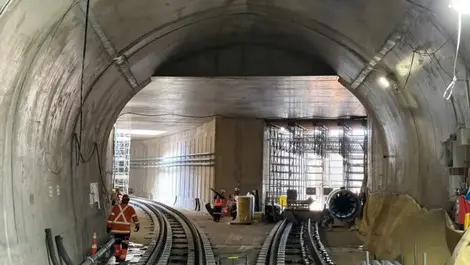
Aucklanders could gain a faster, more connected transport network if the government and council back a billion-dollar light rail plan.
Tech sector aims to attract international investors as large tech sector investors explore opportunities in New Zealand.
Motorists could face higher pump prices as New Zealand's sustainable biofuels mandate aims to curb transport emissions from April 2023.
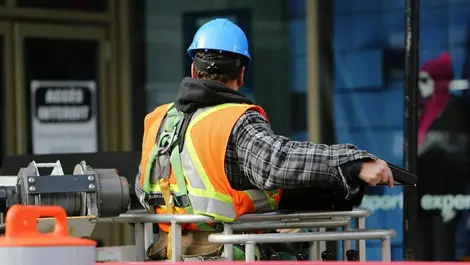
Builders face stricter site controls, from masked public interactions to work bubbles and tracing records, as New Zealand shifts to Red.
Poor sanitation and water management are emitting methane, while better policy could help cut climate pollution and expand clean energy.
The capital will use a US$1 million grant to expand its Digital Twin, helping planners test climate adaptation options over three years.