Water infrastructure stories
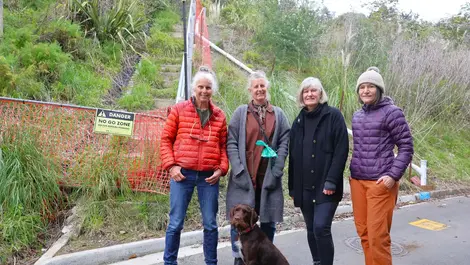
Residents welcomed approval for a basic rebuild of Days Track, though council staff warn storms will likely damage it again.
Residents were warned too late as Ohakune's reservoir emptied, leaving businesses and households without water on a busy winter weekend.
Ten years on, the outbreak still shapes drinking-water rules after contaminated taps sickened more than 5,500 people and killed four.
Students in Years 12 and 13 will gain school qualifications tied to jobs and training as the government seeks to ease skills shortages.
The sector's 10,000-worker shortfall could widen unless more students see water jobs beyond engineering, Water New Zealand says.
Long-term asset upkeep would take priority under a plan aimed at shielding New Zealand infrastructure from election-cycle politics and funding gaps.
Consensus remained broad, but party MPs still clashed over who should pay for long-term works and how to curb costly overdesign.
More housing and transport projects can now tap private finance as Parliament broadens levy-backed funding to ease council borrowing pressure.
The rise in graduates has not kept pace with demand, as New Zealand still needs up to 2,300 extra engineers a year.
Untreated discharges, leakage and ageing assets are putting public health and the environment at risk, the water watchdog says.
Poor value from public works is pushing up costs for taxpayers and households as political interference and weak planning bite, the body says.
RNZ’s Mediawatch put infrastructure coverage under the spotlight after citing Mike Bishara’s commentary on Wellington’s wastewater woes.
A weak project pipeline is leaving firms underused and engineers heading overseas, sharpening fears of a future skills crunch in New Zealand.
It could attract private capital and give infrastructure projects more certainty, if Labour’s proposed New Zealand Future Fund is designed well.
Councils could struggle to fund repairs and new works if planned rate caps go ahead, according to Infrastructure New Zealand.
Only 16 percent now have a positive outlook, as a lack of work and uncertainty threaten jobs across New Zealand's civil construction sector.
Rates on homes and developments could fall under a land-value system, as the idea wins backing from Greens and the Taxpayers’ Union.
Ratepayers could face continued delays and higher costs unless Wellington’s water managers stop blaming others and fix governance failures, Civil Contractors New Zealand says.
Blame on builders could distract from governance reforms as Wellington’s water networks face persistent failures, mounting costs and service risks.
As climate shocks intensify, cities can cut outages and delays by linking water, power and transport into one view.