Waste Management stories
Demand for high-quality recycled plastics is rising as Borealis turns waste into branded consumer goods through key partnerships.
Britain could cut aviation emissions and landfill use as a planned waste-to-fuels plant near Immingham seeks approval, creating 130 jobs.
Rural farms could cut power bills and earn extra income as a new on-site biogas and solar system turns waste into electricity and fertiliser.
Without a national framework, Australian energy-from-waste projects risk stranded investment and misallocated feedstock in the circular economy.
Insect bioconversion could turn millions of tonnes of food waste into animal feed, biodiesel and packaging materials, while cutting emissions.
Dunedin startups joined forces at Waste Jam, a 48-hour event, to innovate in waste minimisation, drawing support from local leaders and experts.
Pragmatic solutions are needed to cut waste, trim compliance costs and keep safety goals intact as prescriptive rules prove too rigid.
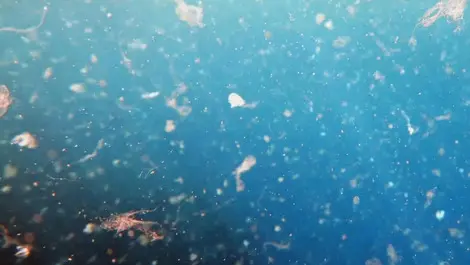
Redesigned equipment is back in the Pacific as the Ocean Cleanup makes a second bid to trap plastic in the Great Pacific Garbage Patch.
The Oakey beef plant has cut natural gas use and wastewater odours, with biogas output now helping to offset drought-hit operating costs.
Families in Washington will soon have a third funeral option after state lawmakers approved transforming human remains into soil for gardens.
Businesses are cutting landfill charges and transport costs as a Sydney plant turns commercial food waste into fertiliser and green energy.
Household waste is often dumped or shipped overseas, fuelling a worsening plastic-recycling crisis and illegal trade in Asia.
It could turn mixed textiles, plastics and food waste into pellets, as VTT seeks a partner to commercialise the prototype.
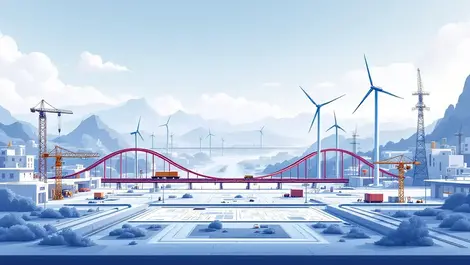
Auckland’s rail link has cut construction waste and emissions sharply, showing big infrastructure can hit sustainability targets while easing congestion.
Craigieburn motorists could soon drive on a 300-metre test road made from 200,000 plastic bags and 63,000 glass bottles.
Occupants and managers are being warned that blocked exits, deferred maintenance and poor compliance can leave everyday buildings unsafe.
Consumers are being misled by confusing plastic labels, as experts call for clearer standards and tougher government oversight.
About 7 million lubricant and grease containers still go to landfill each year in New Zealand, prompting a voluntary recycling scheme.
Drought-hit cities are turning sewage into a valuable supply, cutting demand on drinking water and easing pressure on rivers and seas.
A lack of concrete policy could leave New Zealand’s 2050 climate goals out of reach, academics warn as consultation opens on the Zero Carbon Bill.