Urbanization stories
New Zealand home values kept climbing in February, lifting the average house to NZD $722,475 and worsening affordability for buyers.
Environmental pressure is forcing China to curb single-use plastics, with major cities set to lose plastic bags by year-end.
Marine ecosystems face mounting pressure as pollution, fishing and warming seas threaten species, habitats and coastal communities.
They can lift air quality, insulation and wellbeing at home and in offices, while also trimming noise, heat and energy costs.
With 2.5 billion more people heading for cities, planners are eyeing stacked mixed-use towers as a way to save space and build community.
Australia faces a 1 percent of GDP infrastructure gap as rapid city growth, labour shortages and slower productivity strain new projects.
Urban developers face rising pressure to add renewable power, fibre and automation as tenants demand cheaper, smarter services.
Poor housing outcomes and pressure on infrastructure could deepen unless councils, central government and industry align on urban growth planning.
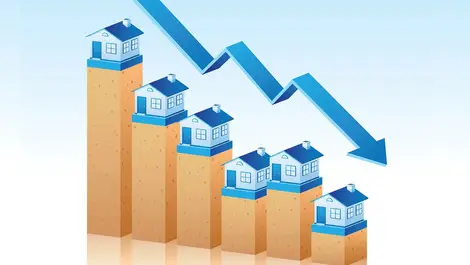
Top-end flats are showing some weakness, even as most apartment prices move broadly in line with the wider property market.
The OECD says labour productivity has fallen 15 per cent against Australia and other rich economies over 25 years, threatening incomes.
Researchers and housing providers will use the Wellington conference to draft a rights-based strategy aimed at getting every New Zealander well housed.
The hexagon-shaped platforms are designed to keep up to 10,000 people safe from floods, tsunamis and hurricanes as seas rise.
With population growth and climate change mounting, utilities are rolling out new operations, reuse and safety measures to secure future supply.
Automation is becoming a priority for commercial real estate firms, even as many still rely on spreadsheets and play catch-up on digital tools.
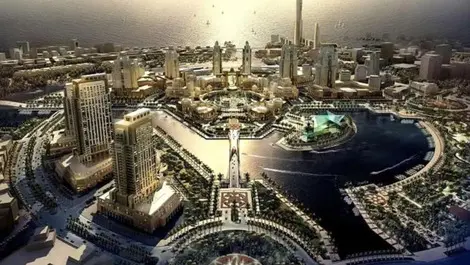
Asia-Pacific megacities dominate a US$4.2trn construction pipeline, with Dubai and London leading projects tied to housing and infrastructure.
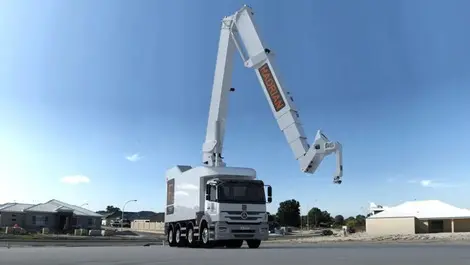
FBR’s share price jumped 21 per cent after its Hadrian X robot built a 180sq m house in under three days, signalling possible disruption for builders.
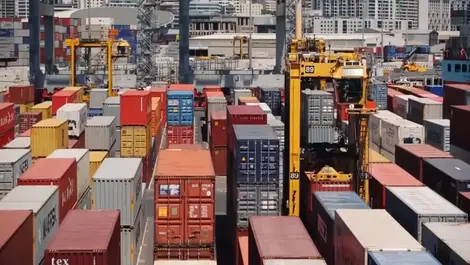
Freight delays are mounting as Auckland’s overloaded port and 9-5 warehouse habits strain deliveries, exporters and importers alike.
New Zealand house sales fell 3.0% in September as July’s low listings fed through, leaving volumes at their weakest since January.
The trip will examine road pricing and value capture as New Zealand seeks faster, more integrated infrastructure planning from Asia's benchmarks.
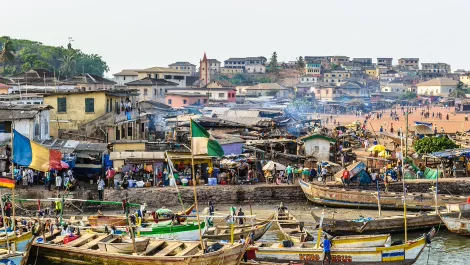
Accra, the capital and largest city of Ghana, is undergoing rapid urbanisation, causing challenges for city administrators.