UK Government stories
The €65 million commitment is set to bolster scaleup finance for UK tech firms as public funding backs a €1 billion-plus growth fund.
Brussels' move could reduce reliance on non-EU tech, while London's new AI minister signals tighter oversight of a fast-growing sector.
This could speed UK adoption of controlled AI in hospitals, councils and other regulated sectors by shaping a sovereign frontier model.
Demand for trusted location data lifted annual sales as utilities, councils and consumers used new services to cut risk and plan infrastructure.
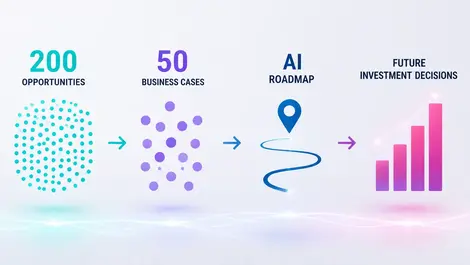
The 24-week review will give Solihull Council an evidence base for AI spending, with hundreds of possible use cases under scrutiny.
Malware and phishing risks are rising for UK employers as many staff use company smartphones to access illegal streams, a survey finds.
Nearly a quarter of affected sole traders have already set up, or started setting up, a limited company as quarterly reporting looms.
Employer demand for AI know-how is rising fast, with vacancies paying 34% more and formal qualifications losing sway in hiring.
Financial institutions still face hidden fourth-party risks even after Microsoft, Google Cloud, AWS and Oracle were designated as critical providers.
Supply chain attacks are pushing cyber risk upstream, putting managed service providers under pressure from customers and regulators over shared access.
Nearly half of UK citizens distrust AI in public housing services, despite workers reporting strong confidence in accessibility and delivery by 2028.
Weak demand, higher fuel costs and slower payments are squeezing cash flow at small firms, with jobs growth at a near two-year low.
Demand for night-time internet limits is growing as ministers prepare tighter controls for teenagers and more adults seek help with screen time.
Retrofitting existing sites could ease Britain's AI capacity crunch faster than new builds, Airsys has told MPs amid power and planning bottlenecks.
Regulators are widening scrutiny of digital finance, forcing UK fintechs to overhaul cloud, payments and data strategies to meet tougher standards.
Most Britons think the government is moving too slowly, with 58% saying the UK is not ready for AI's impact on jobs and the economy.
More than a third of UK parents say children are using AI for conversation or emotional support, raising fears over online safety.
The consultancy is sharpening its AI push and public sector focus as internal promotions aim to strengthen client ties and open new markets.
Broader duties in the UK's proposed cyber law could divert scarce staff from frontline defence, worsening already acute skills gaps.
Critical infrastructure could face tougher cyber rules without stronger workforce pipelines, as 49% of businesses already report a skills gap.