Roads stories
New roads, rail, schools and hospitals should help address years of underinvestment, though critics question whether USD $12 billion is enough.
Fresh funding and planning reforms could speed up roads, water and housing delivery as New Zealand seeks to ease infrastructure bottlenecks.
Contractors still need project-by-project details, with major transport work due to wind down within 18 months and risking industry capacity gaps.
Researchers say both plans favour congestion relief and global image over health equity, leaving outer suburbs short-changed.
Auckland could gain valuable waterfront land and Northland secure a major jobs boost if the freight port is shifted, but the bill is likely to run to billions.
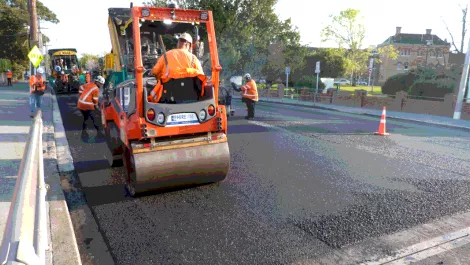
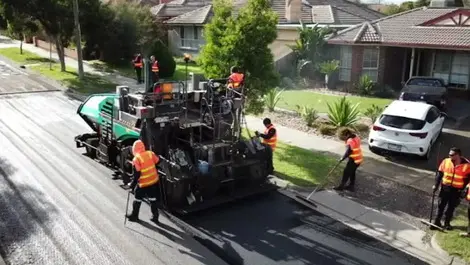
Fuji Xerox leads the print industry in sustainability, using waste toner and motor oil to pave roads, exemplifying a commitment to a circular economy.
Private debt funding for roads and water in Milldale could ease New Zealand’s housing shortage, though buyers face annual charges.
Craigieburn motorists could soon drive on a 300-metre test road made from 200,000 plastic bags and 63,000 glass bottles.
The upgrade will boost water treatment capacity for about 250,000 Aucklanders after winning Civil Contractors New Zealand’s top national award.
Excluding asset recycling from the review could leave councils without a key option to fund roads, water and housing as costs rise.
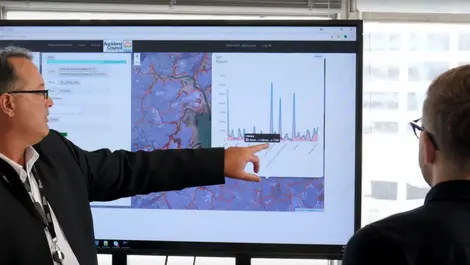
Planning decisions in Auckland will now be based on data processed in two days rather than months, as the council moves its portal to AWS Cloud.
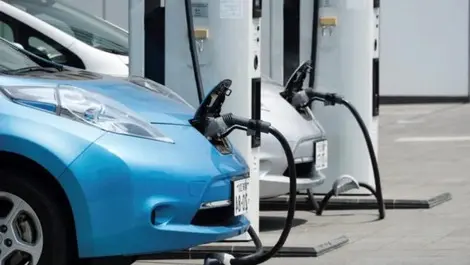
Lower-emission cars could become more affordable in New Zealand if ministers adopt incentives, fuel pricing reforms and tougher scrappage rules.
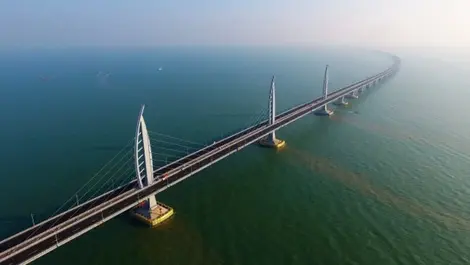
After nearly eight years of delays and cost overruns, the 55-kilometre crossing will cut travel times by 60 per cent for millions.
Councils say delayed decisions on adaptation funding and relocation could leave communities exposed to climate risks across New Zealand.
Road spending is set to top AUD $20 billion this financial year, but rail projects may crowd it out after 2018 as costs rise.
As cities tighten scooter rules, dockless electric rides are testing whether they can shift short car trips and ease congestion.
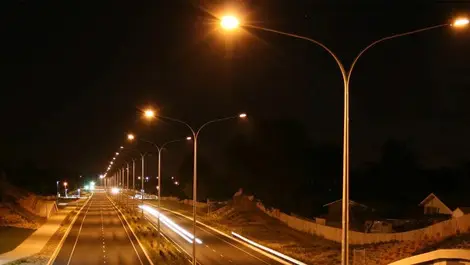
Residents will get softer, less intrusive lighting as the NZD $7.2 million upgrade cuts glare, boosts safety and saves power.
Specialised procurement is being urged to keep NZD $42 billion in capital spending on schedule, as costs could rise if projects are poorly sequenced.
Auckland commuters and freight operators are set to gain from a NZD $30 billion transport spend, though congestion relief is still in doubt.
DanaBot is a Trojan written in the Delphi programming language that includes banking site web injections and stealer functions.