Police stories
New Zealand may follow Australia's lead in adopting mobile phone detection cameras to curb distracted driving, potentially saving lives, says Volvo NZ.
New Zealand Police are progressing well in their probe into the Cryptopia breach, aiming to uncover the origins of the stolen US$3-16 million in cryptocurrency.
Cryptopia has reportedly experienced a security breach that has taken the entire platform offline – and resulted in 'significant losses'.
Wellington-based startup Proper launches an app enabling landlords to conduct thorough background checks on potential tenants, ensuring trustworthy renters.
CERT NZ's Q3 report shows an alarming 35% rise in financial losses from cyber incidents, now at NZD $2.9 million, with unauthorised access up by 28%.
New Zealanders lose NZD $24.7mil annually to scam calls, prompting the NZ Telecommunications Forum to intensify its anti-fraud campaign.
Ridesharing service Ola launches in Auckland, Wellington, and Christchurch, offering affordable, reliable transportation and low commission rates for drivers.
Auckland's Computer Lounge has suffered a months-long security breach. While credit card details are safe, other personal data may have been exposed.
AI can reinforce gender bias in the workplace. Accenture aims to have a gender-balanced workforce by 2025. #GenderEquality #AI #WorkplaceEquality.
Norwegian cybersecurity firm Visma, aided by Recorded Future and Rapid7, foils alleged cyberespionage attack by Chinese state-sponsored group APT10.
FintechNZ forecasts major fintech changes in 2019, impacting Kiwi businesses with financial unbundling, new investment platforms, and advancing wearable tech.
Security professionals feel like they are perceived as 'policemen', and 13% say they experience negativity from colleagues all the time.
After two teens managed to hack hundreds of thousands of printers around the world, KYOCERA Document Solutions has some tips for businesses.
A worldwide spate of spam emails claiming there is a bomb in the recipient's building is almost certainly a hoax.
Despite the crackdowns, Microsoft warns that these scams persist and target everyone, no matter their age or location.
Vodafone has launched two new IoT technologies that will allow greater expansion of solutions across New Zealand.
Small-to-medium sized businesses are increasingly moving their data to the cloud, but must take appropriate security measures to protect it, warns ESET.
Twenty-seven credit card numbers with no CVV were accessed, and the combination of data accessed varies for each affected passenger.
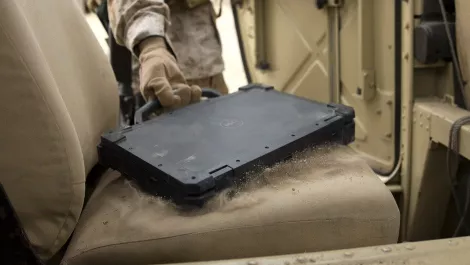
Dell launches new range of rugged notebooks designed to withstand the harshest of conditions in challenging work environments.
Fostering a culture of cybersecurity awareness is essential for Australian companies facing escalating cyber threats. Here's how to build it.