IT Department stories
Banks risk being blindsided by new digital finance firms that are already moving money faster and attracting users beyond the old model.
Rising storage demand and ransomware fears are driving the agreement, giving partners in Singapore and Malaysia access to Wasabi cloud products.
Businesses can now tie email and collaboration defences into Google Cloud, as Proofpoint gains formal backing for tighter security integration.
Shared data platforms could see outages contained to one tenant, as Google Cloud says a new sharded design cuts blast radius and eases scaling.
The ranking underlines rising demand for tools that can modernise legacy systems without disrupting core banking and other regulated operations.
Australian businesses gain local help to move Claude pilots into live use, with TechForce handling integration, governance and approvals.
Poor data is derailing AI projects and inflating delivery errors, customer service failures and compliance risks across organisations.
The listing underlines growing demand for reliable workplace technology as the firm manages more than 1,500 meeting rooms across Britain and Europe.
The multi-year overhaul should cut costs and improve issue resolution as Metsä Group consolidates global IT services under one partner.
The partnership is meant to ease power and cooling bottlenecks as AI data centre demand forces operators to secure specialist systems earlier.
AI operators could cut data-centre costs and power use as Sandisk positions flash memory for longer-context inference workloads.
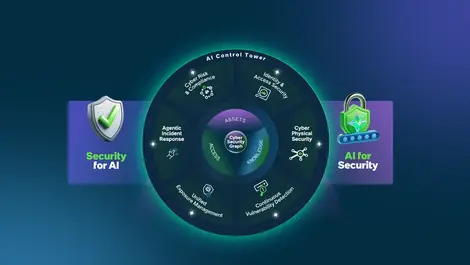
The suite aims to cut security backlogs and tighten oversight of AI agents as companies face a surge in machine identities and fragmented tools.
The move could ease deployment and support for IT teams managing dispersed fleets across Europe, where local language tools are increasingly important.
Rising heat, flood and quake exposure is forcing operators to rethink resilience as Asia-Pacific data centre demand accelerates.
Businesses in the Philippines may face higher costs and slower sites as AI-generated internet traffic rises 30% in five months, Fastly said.
The platform targets firms struggling to govern AI agents and machine identities, as Saviynt tops USD $300 million in annual recurring revenue.
The move gives businesses a new framework to measure AI spending, value and governance as token-based costs become harder to predict.
Enterprises can now avoid upfront licensing as charges shift to verified identity tasks, with a healthcare provider already piloting the system.
The service is aimed at firms seeking faster recovery from cyber attacks and AI-related outages, with business continuity built in.
The recognition should help clients moving AI and cloud projects into production, with deeper access to AWS support and tools.