Infrastructure maintenance stories

Poor maintenance is costing firms billions through outages, water failures and transport disruptions, the G20 says in a new policy agenda.
New Zealand faces a $20 billion infrastructure deficit, with industry groups urging a long-term pipeline and more maintenance.
NZD $45 billion of new works will need smarter engineering and earlier ground planning if delays and overruns are to be avoided.
Better freight services and more reliable trains are set to follow, as the funding also covers new ferries and ageing locomotives.
COVID-19-driven revenue losses could force councils to cut infrastructure spending, hurting local economies and slowing recovery.
Civil contractors say the Government must back already designed transport works quickly to protect jobs as big projects finish.
With population growth and climate change mounting, utilities are rolling out new operations, reuse and safety measures to secure future supply.
Contractors say New Zealand’s ageing water networks need faster decisions, after ministers deferred reforms and left regulation unresolved until late 2019.
Around 110 rail services a week rely on the 315m South Rangitikei Viaduct, which has won a national concrete award for durability.
Corrosion damage costs industry and governments billions each year, making the Adelaide gathering a key forum for prevention and repair.
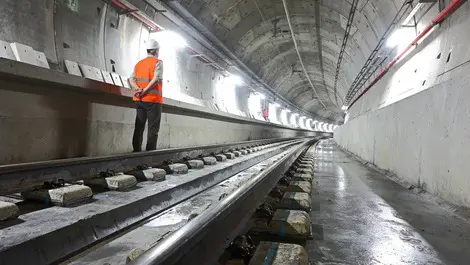
Durable materials and careful route planning are becoming central to 100-year tunnel designs as cities push more infrastructure underground.
Corrosion control is emerging as a costly priority for utilities, as Brisbane hosts training on extending pipeline life and cutting maintenance spend.
Urban water and sewer repairs can now be done with less digging and lower disruption as Australian-made epoxy relining gains ground across Asia-Pacific.
Corrosion is costing Australia A$8 billion a year in avoidable bridge and concrete damage, with traffic and salt speeds worsening wear.
A new camera on jetting hoses will help Waikato District Council inspect 40 kilometres of wastewater pipes this year more quickly and cheaply.
Fuel shortages could be eased by better storage and contingency planning after the Marsden to Wiri rupture, Infrastructure New Zealand says.
Organizations adopt data center infrastructure management (DCIM) practices to improve efficiencies and save energy and management overheads.
IT and DevOps practitioners are overwhelmed by the increase in IT incidents since COVID-19, says PagerDuty survey.
The new services are designed to ensure coverage at unmanned sites and provide savings over the lifecycle of the infrastructure.
Ill-fitting maintenance plans, whether over- or under-prescribed does cost you money - but, with a little analysis you can save a lot.