Industrial cybersecurity stories
Customers can now run their own AI agents against Elisity's platform to continuously verify Zero Trust policies and spot drift faster.
The suite aims to cut security backlogs and tighten oversight of AI agents as companies face a surge in machine identities and fragmented tools.
Fewer firms are overestimating OT security maturity, as only 14% can see their environments fully and gaps are coming into focus.
The funding gives Frenos more room to expand sales and AI research as demand grows for OT security tools that avoid disrupting production.
The change comes after Mitsubishi Electric's AUD $1.4 billion purchase of Nozomi, while customer support and the product roadmap stay unchanged.
Ransomware-prone operators could cut integration costs as ATLAS pitches a single storage-and-security system to foreign buyers in Yekaterinburg.
Manufacturers faced the heaviest ransomware pressure as AI tools and faster intrusions left defenders with less time to react.
Generative AI is helping Tehran speed up phishing, malware and influence campaigns, while making attacks harder to attribute.
AI-driven vulnerability hunting for power, water and transport systems is set to expand as Nozomi brings OT expertise to Anthropic's initiative.
Production line shutdowns and safety risks are pushing manufacturers to invest in OT defences built for ageing industrial systems.
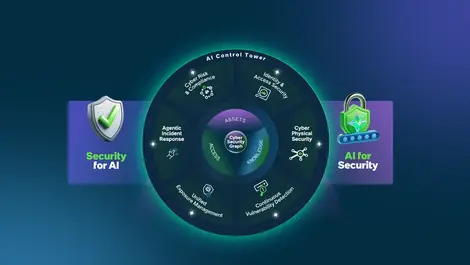
Rising AI-driven threats are pushing firms to consolidate security operations, as ServiceNow adds automation across exposure, identity and incident response.
As Australia faces a 300,000-worker gap by mid-2027, students will gain hands-on training to meet construction demand.
Factory downtime risks and supply chain disruption have made UK manufacturing the country's most targeted sector for ransomware, SonicWall said.
Ransomware attacks on British factory systems jumped to 1.84 million in five months, raising the risk of production stoppages and supply chain disruption.
Most critical infrastructure operators still face repeated supplier-led intrusions, with fresh research linking them to weaker oversight of remote access.
Critical infrastructure operators could gain a single managed route for sensitive data as the partners remove reliance on public internet paths.
Enterprises and utilities may face costly security overhauls as the firm targets quantum-ready protection for low-powered devices and critical systems.
Growing threats to UK critical infrastructure have pushed Siemens and NCC Group to join forces on protecting industrial systems from cyber attacks.
The upgrade is aimed at strengthening cyber security and reliability at a gas-fired plant supplying about half of South Australia's thermal power.
Demand for secure industrial connectivity is rising as Corsha expands its leadership team to target manufacturers, defence and critical infrastructure.










.webp)