Freight stories
Better visibility into inventories and provenance could help firms cut downtime, reduce errors and recover faster as demand rebounds.
Funding will still fall short of fixing decades of underinvestment, with experts warning roads and rail need more to meet safety and climate goals.
Cheaper freight and fewer truck trips are expected as the terminal links directly to the Port of Melbourne and cuts Monash Freeway congestion.
The site could draw USD $2 billion to USD $4 billion in logistics investment and ease freight congestion around Palmerston North.
Better freight services and more reliable trains are set to follow, as the funding also covers new ferries and ageing locomotives.
Freight in Northland will move by rail for the first time, after a NZD $109.7 million boost to reopen lines and build a terminal.
Auckland could gain valuable waterfront land and Northland secure a major jobs boost if the freight port is shifted, but the bill is likely to run to billions.
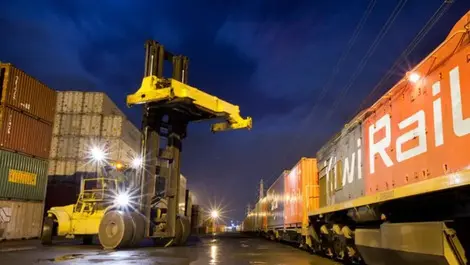
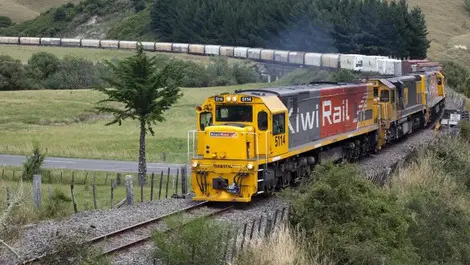
Reopening of the Main North Line helped lift KiwiRail's half-year revenue 12% to GBP £328.8 million and surplus to GBP £16.3 million.
The new hub is expected to ease congestion, cut emissions and free up the city’s ageing freight yard for housing and business development.
Freight delays are mounting as Auckland’s overloaded port and 9-5 warehouse habits strain deliveries, exporters and importers alike.
Higher truck operating costs, including fuel and road user charges, are set to feed through to shoppers as freight firms lift prices.
Female enrolments at Manukau Institute of Technology’s new transport course are helping tackle a driver shortage that has hit freight operators hard.
Auckland commuters and freight operators are set to gain from a NZD $30 billion transport spend, though congestion relief is still in doubt.
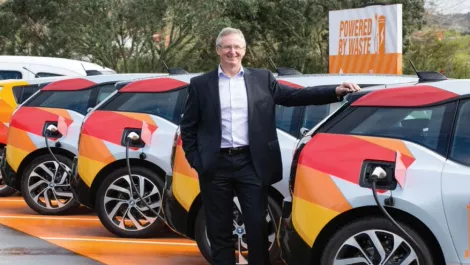
More electric vehicles will be hitting New Zealand's highways, bus lanes and streets with another round of government funding.
Resilient freight links and export partnerships helped the rail operator secure the top honour after disruption tested New Zealand’s supply chain.
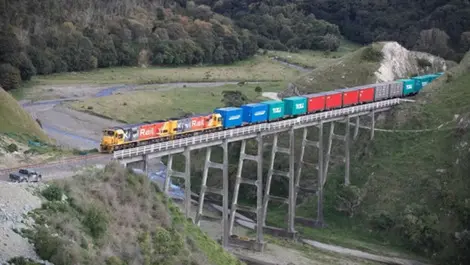
Freight services are easing pressure on the alternate road, with up to 2000 trucks a month expected to be taken off it during the rebuild.
Location technologies are driving post-COVID growth in transport and logistics, with Asia-Pacific telematics revenue forecast to reach USD $14 billion by 2025.
BluJay Solutions has entered into a partnership agreement with Uber Freight in a bid to further both companies' commitment to help build global supply chains.
Award recipients have consistently demonstrated outstanding achievement and superior performance amidst the changing business landscape.
Investment in Internet of Things (IoT) solutions In Europe is set to continue its relentless march forward in 2019.