Environment stories
Insect bioconversion could turn millions of tonnes of food waste into animal feed, biodiesel and packaging materials, while cutting emissions.
New draft carbon standards and a new expo zone will give New Zealand building owners practical steps towards net zero by 2050.
Businesses and environmental groups say the overhaul could finally fix a dated system unable to handle growth, housing pressure and climate risks.
The transition follows the Building Nations Symposium, with outgoing chief Stephen Selwood credited for 14 years of reform and advocacy.
Pragmatic solutions are needed to cut waste, trim compliance costs and keep safety goals intact as prescriptive rules prove too rigid.
Poor planning is driving up housing costs and holding back productivity, according to Infrastructure New Zealand chief executive Stephen Selwood.
Redesigned equipment is back in the Pacific as the Ocean Cleanup makes a second bid to trap plastic in the Great Pacific Garbage Patch.
Families in Washington will soon have a third funeral option after state lawmakers approved transforming human remains into soil for gardens.
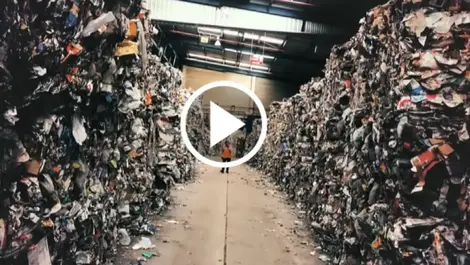
Household waste is often dumped or shipped overseas, fuelling a worsening plastic-recycling crisis and illegal trade in Asia.
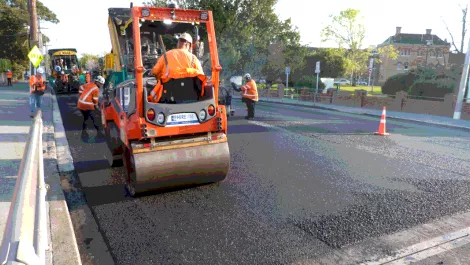
Fuji Xerox leads the print industry in sustainability, using waste toner and motor oil to pave roads, exemplifying a commitment to a circular economy.
Sustainable Coastlines, a non-profit in New Zealand, has been awarded an AI for Earth grant by Microsoft to help clean up beaches.
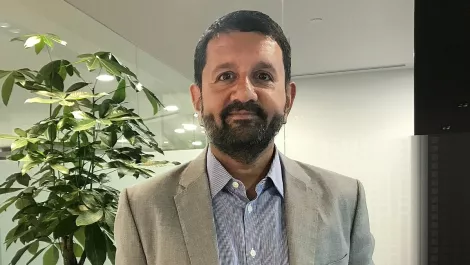
Dell Boomi appoints Ajit Melarkode as managing director for Asia-Pacific and Japan, eyeing revenue growth and addressing demand for cloud-based integration.
Semiconductor solutions provider Renesas has created a new cloud kit for IoT endpoint devices that connect directly to Amazon Web Services.
NEXTDC's Sydney S1 data centre achieves a 5-star NABERS rating for energy efficiency, underlining the company's commitment to sustainable operations.
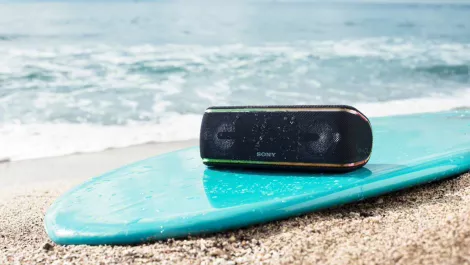
Sony accelerates its fight against plastic pollution with the 'One Blue Ocean' project, aiming for zero environmental footprint by 2050.
Infor's cutting-edge tech is revolutionising supply chains, equipping managers to tackle economic volatility with agility, foresight, and strategic precision.
The nominated projects include three from Newcastle alone and span smart water metering, solar farms, virtualization and transport.
It is no secret that agriculture is a massive cause of environmental issues in NZ. Farmers say they are willing to change, if they get the right data.
VMware announced VMware Cloud Foundation 3.7 is expected to be available on Dell EMC VxRail in VMware's Q1FY20.
One Identity's global research reveals that despite the vast impact, 76% of Australian businesses are unsure if they've experienced a Pass the Hash attack.