Climate change stories
Critics warn the draft overhaul could leave consenting slower and housebuilding harder, despite ministers promising a leaner planning regime.
The report urges ministers to curb speculation, strengthen tenant rights and expand social housing after finding the crisis breaches basic rights.
The Government has until 31 December to decide whether to adopt a plan that could cut GDP by 1.2% in 2050, or do less.
Household water bills could soar unless New Zealand overhauls ageing networks, with studies flagging up to NZD $185 billion of work needed.
Residents will face a 13.5% rates rise as the council backs billions for water, housing, cycleways and library repairs over a decade.
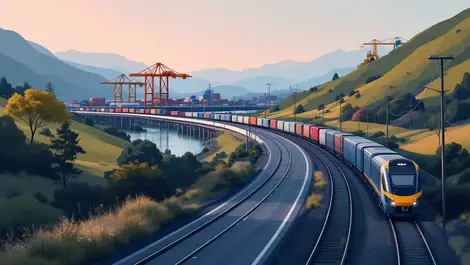
The funding will create hundreds of jobs and lift freight reliability as ageing locomotives and wagons are replaced nationwide.
Rail firms can now plan further ahead, but experts warn the fund will be stretched as electric vehicles erode its core revenue base.
Facial recognition and reward points are being trialled to lift China’s recycling rate as waste volumes outpace the US by 2030.
Councils face tighter rules and faster consents as New Zealand moves to boost housing supply, curb prices and fund infrastructure.
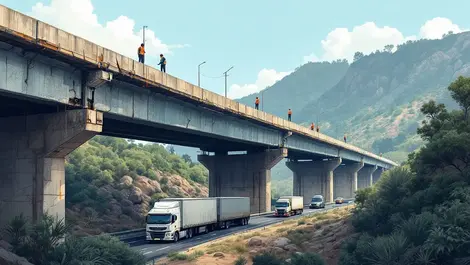
Older spans are under fresh scrutiny as Australasia’s 57,000-plus bridges face heavier traffic, climate stress and overdue maintenance.
COVID-19 has pushed non-occupational disease to the top of the list, as businesses face rising cyber, health and climate risks.
Councils could gain new powers and funding tools as a two-year review seeks to overhaul a system critics say is unfit for today’s demands.
Waste from cartons and soft plastics will soon be turned into low-carbon building boards in New Zealand, diverting 4,000 tonnes from landfill a year.
Poor data and slow adoption are leaving construction late, over budget and responsible for a growing share of emissions.
Digital twin tools could help cut costly delays and emissions, as 90% of infrastructure projects are still late or over budget.
Early clarity on route, funding and delivery could determine whether Auckland’s light rail eases congestion and unlocks more affordable homes.
Wellington has cut net emissions by 7% in 20 years despite 26% growth, as EV chargers and car share schemes reshape transport.
Epson and National Geographic aim to raise awareness of how people can reduce their impact on global warming, from homes to offices and other businesses.
Amazon Web Services (AWS) has launched the AWS Clean Energy Accelerator to support startups addressing global energy challenges.
Malala Fund will use these findings to encourage leaders at the 2021 UN Climate Change Conference and beyond to take action.