Carbon emissions stories
A new report warns rising temperatures, melting glaciers and sea levels could reshape the country unless emissions fall quickly.
Funding will still fall short of fixing decades of underinvestment, with experts warning roads and rail need more to meet safety and climate goals.
Short-term pain from Covid-19 and delayed projects is being offset by record infrastructure spending, with many contractors still hiring.
Even an ideal recycling system would cut plastics-sector emissions by only 14% by 2050, leaving major producers still far from net zero.
Cheaper freight and fewer truck trips are expected as the terminal links directly to the Port of Melbourne and cuts Monash Freeway congestion.
New transmission upgrades and extra storage will be needed as the smelter’s exit frees up 12% of New Zealand’s electricity, experts say.
The site could draw USD $2 billion to USD $4 billion in logistics investment and ease freight congestion around Palmerston North.
Consumers faced an extra USD $80 million bill as the Electricity Authority found Meridian’s spilling also raised emissions and fossil fuel use.
The project will add 93 MW of capacity and offset 100,000 tonnes of CO2 a year as MainPower begins site works near Waipara.
Regional blocs and national champions could leave infrastructure slower to innovate, more monopolistic and less resilient as climate risks mount.
Lockdowns are set to cut CO2 emissions by at least 5% this year, but any climate gain could be erased unless stimulus backs cleaner growth.
Remote work, home schooling and digital healthcare could outlast the pandemic, reshaping cities, travel and emissions for years to come.
Billions in COVID-19 spending could be used to unlock projects, create jobs and speed New Zealand’s economic recovery, Infrastructure NZ says.
Youth, immigrants and urban Maori are most at risk as planners warn New Zealand must better reflect its diverse communities.
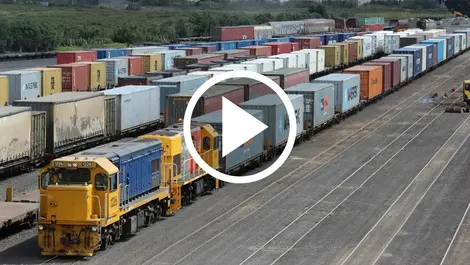
Freight in Northland will move by rail for the first time, after a NZD $109.7 million boost to reopen lines and build a terminal.
Rising visitor numbers are putting New Zealand’s lakes, tracks and towns under strain, with a watchdog warning current policy will not curb damage.
Grid operators face mounting strain as battery electric vehicle demand is forecast to lift installed base above 100 million by 2029.
Britain could cut aviation emissions and landfill use as a planned waste-to-fuels plant near Immingham seeks approval, creating 130 jobs.
New draft carbon standards and a new expo zone will give New Zealand building owners practical steps towards net zero by 2050.
As data centres grow by 14% annually, a shift to sustainable cloud practices, advocated by Accenture, could slash CO2 emissions by 59 million tonnes each year.