Carbon emissions stories
Green Acres has partnered with STIHL to launch a nationwide emissions reduction program by transitioning from petrol to battery-powered equipment.
A proposed USD $35-45 billion crossing is being criticised for entrenching car dependency while risking the loss of promised light rail.
Transport critics say National's road-heavy plan revives costly schemes, with old estimates leaving a multibillion-pound funding gap.
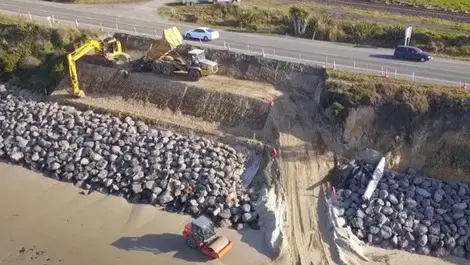
In civil construction, the concept hinges on system boundaries, with finite resources, waste and carbon shaping whether projects can endure.
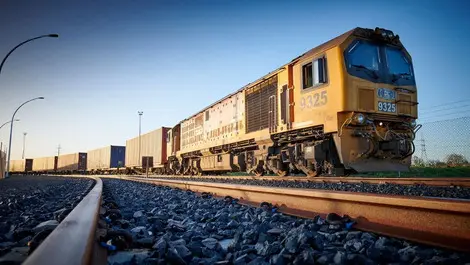
The new Hamilton facility could cut cargo costs by up to 30% and shift Upper North Island freight off roads and onto rail.
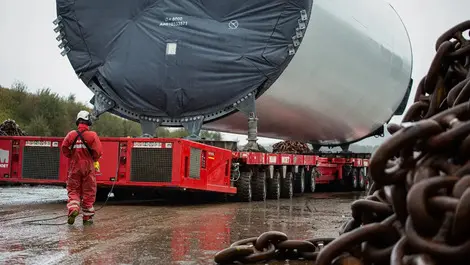
Retrofitting heavy hauliers to run on electricity could cut noise and emissions on bridge, wind and power projects worldwide.
Civil contractors warn the next emissions plan could slow vital infrastructure delivery unless it backs proven low-carbon options and recycling.
Most stranded fossil fuel losses would hit the richest households, while governments could cheaply shield lower-income savers in affluent countries.
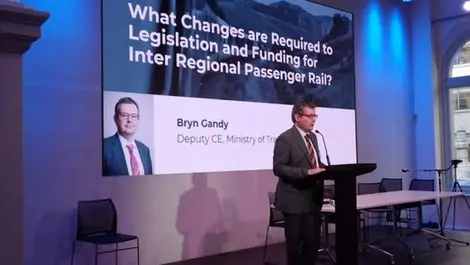
Passenger rail could cut emissions and widen access, but chronic underinvestment and patchy national coordination still hold New Zealand back.
CDC Data Centres becomes the first hyperscale provider to achieve net carbon zero certification in New Zealand.
Auckland Transport risks paralysis if it keeps seeking public input on tiny road changes already covered by approved plans.
Combining digital and industrial data, Hitachi Vantara helps customers intelligently assess IT systems and OT processes for a more energy-efficient future.
A new report has revealed that switching enterprise network services from on-premise devices can cut related carbon emissions up to 96%.
IT and telecoms business leaders in the UK and Ireland say the energy crisis will impact their organisations ability to meet emissions reduction plans.
81% of business leaders at UK and Irish data centres say the energy crisis will impact their organisation's ability to meet its emissions reduction plans.
The new solution empowers enterprises to achieve sustainability goals through a lower-carbon emissions alternative to transport IT purchases.
The city of Istanbul and the Wienerberger Group have reduced emissions and optimised operations by implementing SAS' AI and advanced analytics solutions.
Cumulus VFX is using Pure Storage's unified fast file and object platform to manage ever-growing data demands and achieve enhanced security.
The tech sector is urging the Albanese Government to adopt recommendations to galvanise the role technology is playing in reducing Australia's carbon emissions.
The success of the telecommunication sector's self-regulating approach is worth studying to see if other sectors can benefit.