

The Ultimate Guide to Aviation safety
A curated Kiwi edition of IndustrialDay news, analysis, interviews, reviews, job moves, and related resources for Aviation safety.
What to know about Aviation safety
Aviation safety covers the systems, training, technology and oversight that keep aircraft, airports and airspace operating with fewer errors and better outcomes. These stories look beyond headline incidents to show how safety is built day by day through fatigue monitoring, air traffic management upgrades, runway maintenance, better inspections, stronger procedures and clearer accountability.
Readers exploring this tag will find practical insight into how risk is identified earlier and controlled more effectively. The coverage connects emerging tools such as AI, drones, sensing systems and predictive analytics with the human factors that still matter most, including sleep, training quality, checklist discipline and worker buy-in. It is a useful place to follow how aviation organisations are trying to prevent disruption, reduce maintenance burdens and strengthen decision-making before small issues become serious events.
Kiwi Aviation safety News
Regional stories with direct local relevance
'This is our way of life': Kura pushes back on airport's opposition to development
The dispute could delay Te Kura Kaupapa Māori o Ruamata's long-planned gymnasium by up to two years as safety concerns go to hearing.
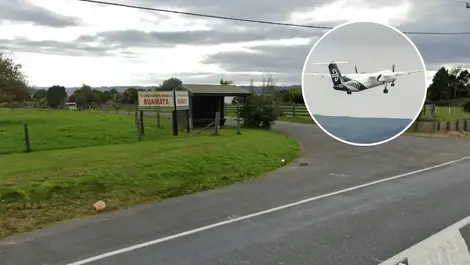
Rotorua school hits back at airport roadblock, calls on council to step in
A planned gymnasium and teaching space for Te Kura Kaupapa Māori o Ruamata now face an independent hearing after airport safety objections.

Rotorua Airport forces delay of Māori immersion school plans on safety grounds
The expansion of a 281-pupil Māori-language school near Rotorua Airport now faces an independent hearing, with safety objections delaying the build.
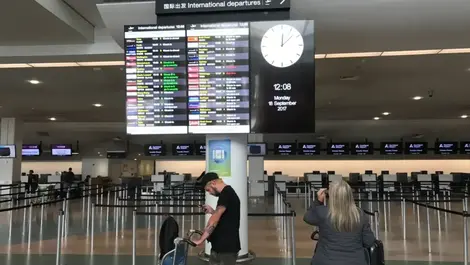
Auckland Airport plans change to security and passport control
Travellers at Auckland Airport will face a new check order from late 2027 as security screening moves ahead of passport control.
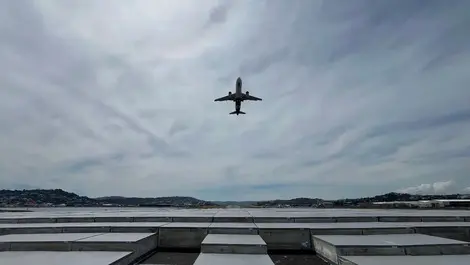
Wellington contractors honoured for airport & wharf work
Projects at Wellington Airport and Seaview Wharf were recognised for keeping flights and fuel deliveries moving during complex live-site construction.

NZAero eyes AI pilot training as CT-4 production restarts
The revived trainer could give instructors richer flight data to spot safety and skills gaps as NZAero restarts CT-4 production after 14 years.
Recent Aviation safety News

Seeing Machines unveils 3D human sensing for robots
Factories and warehouses could see safer robot interactions as the system reads human posture and movement in real time on embedded hardware.
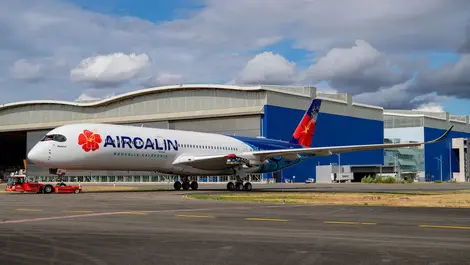
Aircalin picks Airbus support for A350s in Pacific first
The deal gives New Caledonia's flag carrier pooled parts and repair support for long-haul A350 operations, easing pressure on a small fleet.

NZAero seeks AI training partners as CT-4 restarts
The project could help New Zealand tap rising global pilot demand by pairing the revived trainer with software that flags safety risks.

NZAero restarts CT-4 production after Thailand deal
Export revenue of tens of millions of dollars is in sight as the Waikato aircraft maker resumes its CT-4 Airtrainer line after a Thai deal.

New Zealand eases runway safety rules for regional airports
Smaller airports could cut compliance costs as revised rules allow shorter runway safety areas and, in some cases, arresting systems.
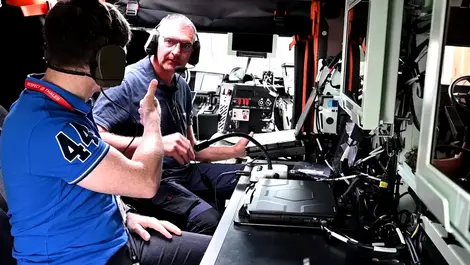
Singapore awards Thales air traffic system contract
Capacity gains and lower delays are expected as Singapore upgrades one of Asia's busiest airspaces with a new system by 2030.
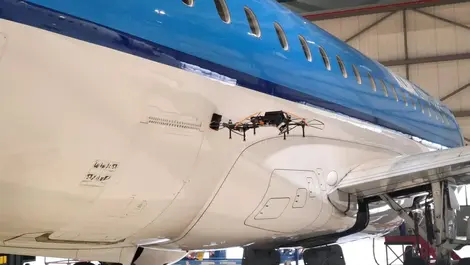
Enhanced safety potential and lower maintenance costs
Airlines could cut repainting and downtime as the new drone system measures coating wear more precisely in about 30 minutes.
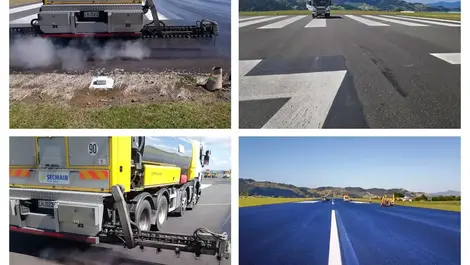
Roads – Seven year repeatable life extension to worn out pavement
A cost-saving runway treatment has delayed major resurfacing for Whangārei Airport, with the pavement still safe after six years of wear.

‘Watered down’ training leads to hand injury
Inadequate instruction on pyrotechnic launchers left a wildlife ranger with severe hand injuries, prompting WorkSafe action at Auckland Airport.

Critical control checks – where your obligations start and end
Failing to maintain critical safety controls can leave businesses exposed to prosecution even when workers act recklessly, experts warn.
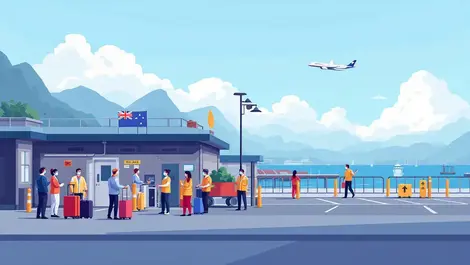
12 ways New Zealand can strengthen its border
Repeated COVID-19 border failures have exposed gaps in New Zealand's managed isolation system, prompting calls for tougher controls and better quarantine.
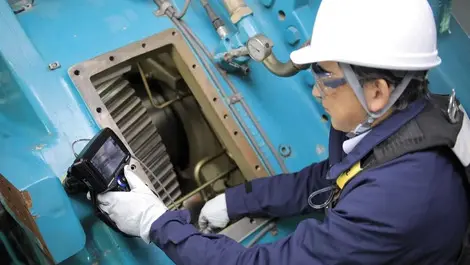
New portable, powerful videoscope released
Industries inspecting aircraft engines and turbines can now avoid disassembly with a lighter scope offering brighter images and oil-clearing optics.

Win worker buy-in for facility safety checklists
Worker resistance can be overcome by explaining how thorough checklists prevent missed details that could otherwise trigger costly accidents.
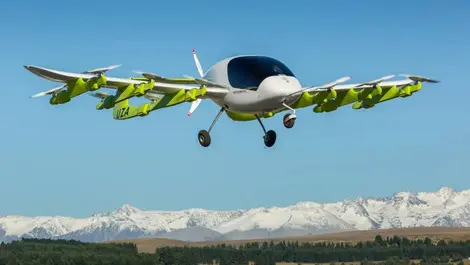
New Zealand is the world’s living global tech lab
Global tech firms are using New Zealand for early testing as Kiwi expertise in AI, space and wireless power draws investment and jobs.

Lack of sleep could affect your safety at work
Daylight saving is a reminder that tired workers are 30 per cent more likely to have accidents, WorkSafe says.
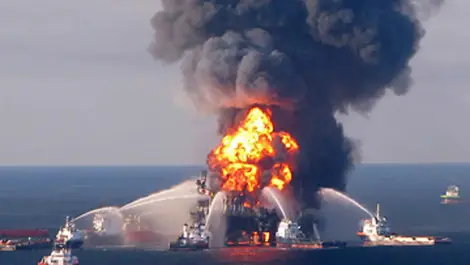
Knowing the unknowable – how to prevent disaster
Better risk tools and a more mature culture could help firms spot warning signs earlier and avoid costly disasters before they strike.
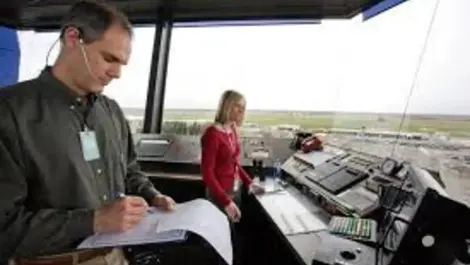
Multi-million-dollar air traffic management revamp
Travellers and airlines are set for safer, more efficient flights as Airways New Zealand replaces ageing control platforms in a USD $58 million overhaul.