Asia Pacific stories
Travel and banking customers could see faster resolutions as enterprises shift AI from answering queries to completing tasks end to end.
The hire signals a push to expand indirect sales in Asia Pacific as manufacturers seek local support for ERP deployments and automation.
Power shortages are steering new builds towards emerging markets as Asia Pacific's data centre pipeline climbs to a record 26.5GW.
Its software has cut building approval times by up to 70% as authorities seek faster, more transparent planning processes.
US merchants risk missing billions in Southeast Asian sales as local instant-payment rails outgrow cards and stay entrenched.
Most of Sharon AI's Australian AI Factory capacity is now spoken for, with revenue from the USD $373 million deal due from early 2027.
Local miners and heavy industries should benefit from faster deliveries as Henkel replaces imported supply of Loctite PC 9313 with Victorian output.
Older on-site systems are being phased out as the Bangkok hotel group unifies reservations, data and guest services across 106 properties.
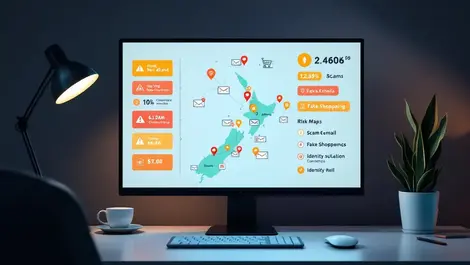
Consumers can now track scams, identity risks and cyber threats by country through a new global index that monitors daily changes across 245 countries and territories.
AI-driven phishing is heightening risks for Japanese organisations as Doppel expands locally and bolsters its response with a seasoned cybersecurity executive.
The move underscores Sygnum's bid to win more affluent Asian clients as Singapore tightens scrutiny of digital asset firms.
Fragmented payments and rising AI bills are forcing APAC fintechs to rethink infrastructure, interoperability and cost controls.
Payroll errors and delays should ease for Aurecon after it replaced local systems with Ramco's managed service across seven Asian markets.
Enterprise contact centres could cut queue traffic as the new platform slots into existing systems without forcing costly rip-and-replace upgrades.
The move signals continuity as Ricoh Australia deepens its shift into workplace technology and managed services amid changing office spending.
Demand for enterprise AI is pushing the consultancy deeper into Western Australia, where energy and resources clients are now a bigger focus.
As Australia faces a 300,000-worker gap by mid-2027, students will gain hands-on training to meet construction demand.
Only 7% of shoppers said fast delivery promises are consistently met, even as AI is widening the pool of brands UK consumers will consider.
The increase would still leave India well behind chip leaders, as Forrester forecasts only gradual gains in technology sovereignty by 2030.
Fewer than one in five Indian firms have started changing office space despite AI readiness outpacing global peers, JLL said.



.webp)









.webp)