Why 'undercooked' estimates are fuelling infrastructure cost blow-outs
Fri, 20th Nov 2026 (Today)Under-cooking initial price points, material costs rising, and simply waiting too long are all at play in budgets ballooning for key infrastructure upgrades over the years.
The assessment by a leading economist comes fresh off works at State Highway 26's Kirikiri Stream Bridge and a nearby intersection exploding from $12 million in 2016 to $65 million this year.
Initial estimates for the Coromandel bridge project "might well have been on the low side", Infometrics principal economist Brad Olsen said.
"For something like that it's probably not too surprising to see the large number," Olsen said.
"It is still a large increase but I suspect it's more the original figure probably undercooked just how expensive, technical and difficult it was going to be to do this bridge upgrade."
Public officials, both in local and central government alike, promptly looking for envelope figures rather than waiting for full detailed businesses cases is a strong reason for undervalued estimates, Olsen said
The mindset was standard practice for "quite a while", he said.
Over time, he hopes both sections of government will adopt pipeline analysis to provide more information about what the projects look like, how to standardise them and limit cost increases.
"It's been very clear in the analysis those ballparks [figures] were not particularly useful," Olsen said.
"We've seen that a number of times for parts of key infrastructure where the starting number is always the one we refer back to. Often, it's not a particularly strong assessment of what that project would have looked like."
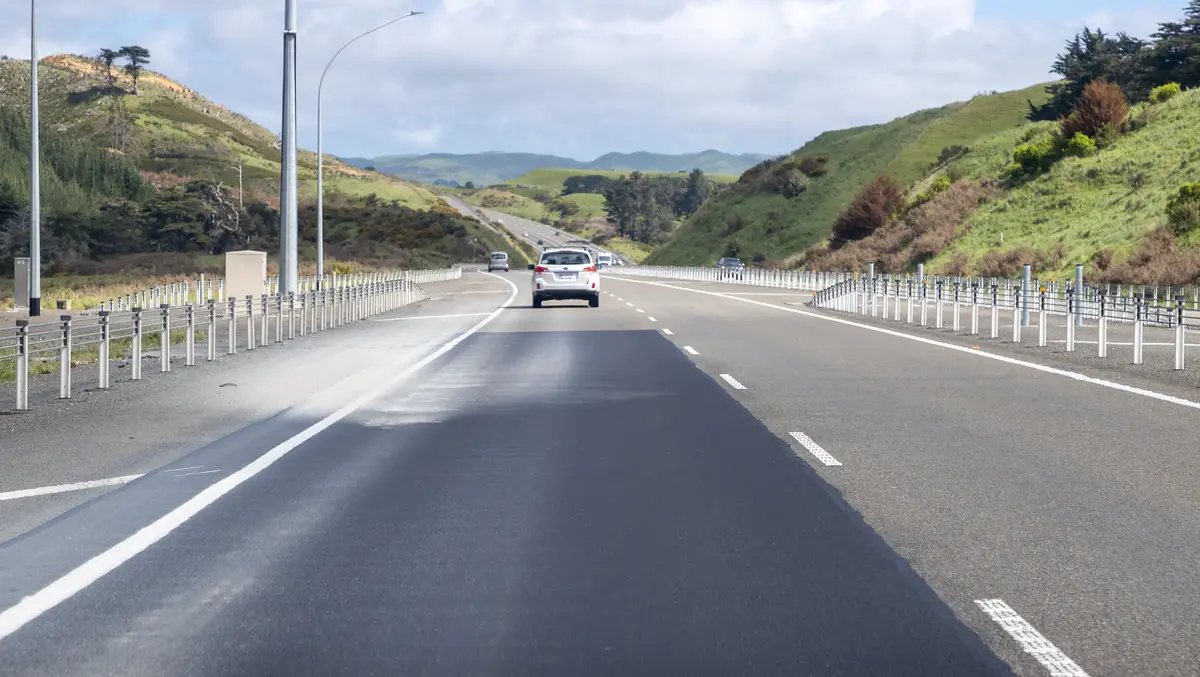
Repairs to Wellington's Transmission Gully was singled out, as the 27-kilometre roading project rose from an estimated $850m to a whopping $1.25 billion.
In a bridge context, difficulties such as changes in structural steel amounts or developing geotechnical work are often not assessed in the initial figures, Olsen added.
"All of that can have a pretty big impact that you're just never going to have in that first figure."
The dangers in deferring projects also delivers a similar fate, as cost grows as well as the risk of ageing infrastructure deteriorating further.
Stats NZ data showed the price of building a bridge had increased 56% over the past decade, while a raft of regulations and increase in spec added up to "quite a bit of cost", Olsen said.
"What the options were in 2016 have presumably changed since then.
"The Coromandel has had some pretty massive weather effects... changes in population so you will have seen the original structure will have been degraded more than otherwise."
Olsen previously told Local Democracy Reporting how tough conversations need to happen with local councils and their communities about where the line in the sand rests between providing rates relief and delivering services.
He now said those competing demands remain for key infrastructure, with the balance lying between projects completed quickly and at a high quality.
"They want it sorted, they don't want the disruptions [but] they also want the quality. They don't want stuff to be washed away or closures having to be made all the time."