

Watercare sensors avert daily wastewater overflows
Fri, 13th Nov 2026 (Today)
Watercare says its smart sewer sensor programme is helping prevent wastewater overflows across Auckland, now averting more than one a day on average.
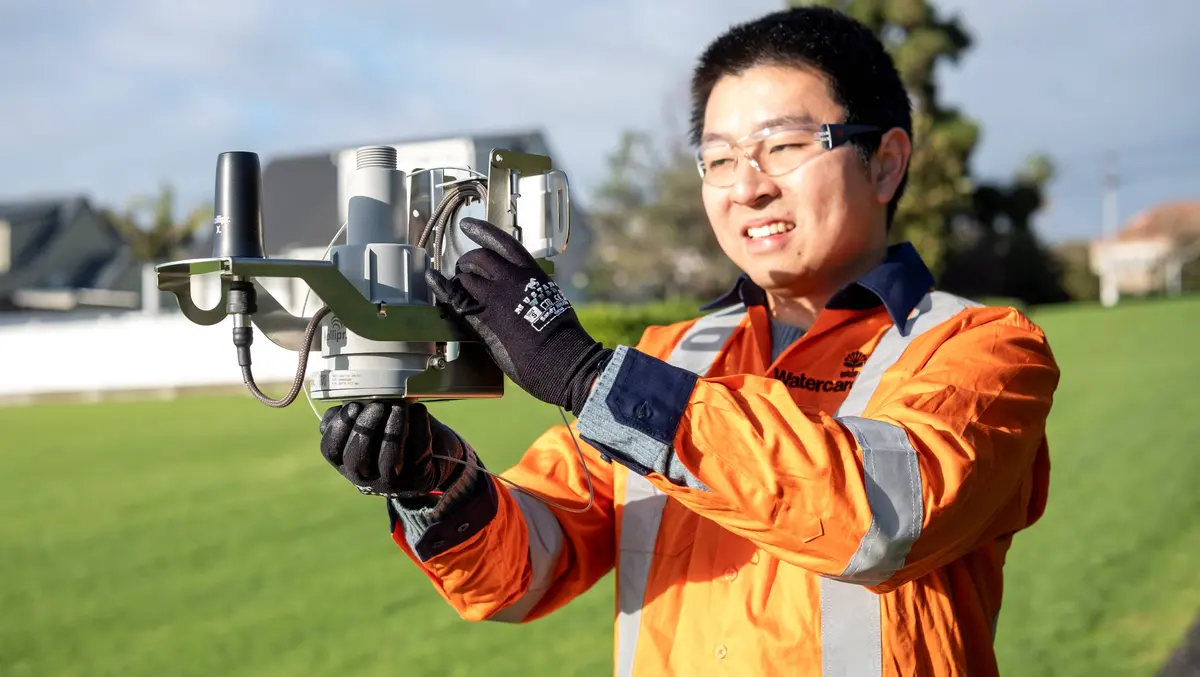
Over the past year, almost 5,000 sensors have been installed across the wastewater network under Watercare's Smart Sewer Programme, which has a NZD $12 million budget. The devices detect pipe blockages before they lead to overflows affecting streets, properties or waterways.
Watercare operates about 9,000 kilometres of wastewater network serving 1.7 million people across Auckland. Sensors have been placed across the network, particularly in areas with repeated blockages or problems linked to groundwater entering wastewater pipes.
David Moore, Smart Systems Manager at Watercare, pointed to a recent case in Ellerslie where the system detected rising wastewater levels in a manhole before heavy rain arrived.
"With an orange weather warning issued for heavy rain that weekend, we moved quickly to investigate," Moore said.
The investigation found a safety grill had come loose and fallen into another manhole, where it was trapping rags and debris and creating a blockage. Field crews removed the grill and flushed the local network before the wet weather reached the area.
Moore said the sensors helped prevent an overflow that would have affected Ellerslie's commercial centre and potentially flooded properties with wastewater.
Another incident was avoided in central Auckland after sensors identified a blockage in a wastewater pipe that would have led to an overflow outside the Commercial Bay complex.
Network data
The system uses Kallipr radar level sensors made in Australia and machine-learning analytics software from Northern Ireland-based StormHarvester. Together, they turn readings from across the network into operational information for maintenance and fault detection.
"Our immediate goal was fewer overflows through earlier blockage detection, and the sensors are delivering by preventing at least one blockage every day before it reaches properties or waterways. We are gathering enough data to see patterns within the network that help us make more effective decisions about investigations, maintenance and investment," Moore said.
Beyond blockage detection, the data is helping engineers distinguish between different types of water entering the wastewater system. A sharp rise in flow that clears quickly can indicate stormwater entering through private plumbing connections, while a slower rise that remains after rain can point to cracks in wastewater pipes.
"With thousands of sensors reporting data, we can see how different parts of the network respond to weather conditions such as rainfall. For example, a quick spike in flow levels that clears within hours points to water entering our pipes from private stormwater pipes plumbed into our wastewater network, whereas a slow rise that does not clear when the rain stops points to water getting in through cracks in the pipes that may need fixing," Moore said.
That information is being used to guide investigations and maintenance work, and to decide where rehabilitation spending should be directed across the network.
"This kind of network-scale monitoring and analytics are helping us prioritise maintenance, guide investigations and support more targeted rehabilitation investment across the wastewater network," Moore said.
Public impact
Desley Simpson, Deputy Mayor of Auckland, said the reduction in overflows has direct implications for households, businesses and waterways.
"Wastewater overflows can have significant consequences, including sewage backing up into homes and businesses, creating public health risks and contaminating local waterways. It's incredibly encouraging to see this technology helping Watercare identify and fix problems before they become serious incidents. This is a practical example of innovation delivering real benefits for Aucklanders every day while helping protect the places we value most," Simpson said.
Watercare provides water and wastewater services to about 1.8 million people across the region, delivering around 440 million litres of drinking water and collecting more than 400 million litres of wastewater each day.