Rates cap will put squeeze on community groups, facilities - Marlborough deputy mayor
Wed, 26th Aug 2026
Funding for community facilities and groups could all be at risk under the Government's 4% rates cap, Marlborough's deputy mayor says.
Local Government Minister Simon Watts announced on Tuesday the government would cap rates at 4%, saving the average household an estimated $34 per year.
The cap was originally proposed in December to help bring down household's already stretched cost of living expenses.
Watts said councils would need to begin incorporating the cap into their 2027 Long Term Plans, with the cap fully in effect by 2029.
The cap would set a limited range for rates rises based on economic indicators like inflation at the lower end and GDP growth at the higher end, estimated to be between 2 to 4% per year, Watts said.
The cap would apply to all rates including general and targeted rates, but would exclude water charges and non-rates user-pays charges.
Councils wanting to increase rates over 4% would need permission from a government regulator, which would only be granted only in "extreme circumstances", such as natural disasters, or to pay for past underinvestment in infrastructure, Watts said.
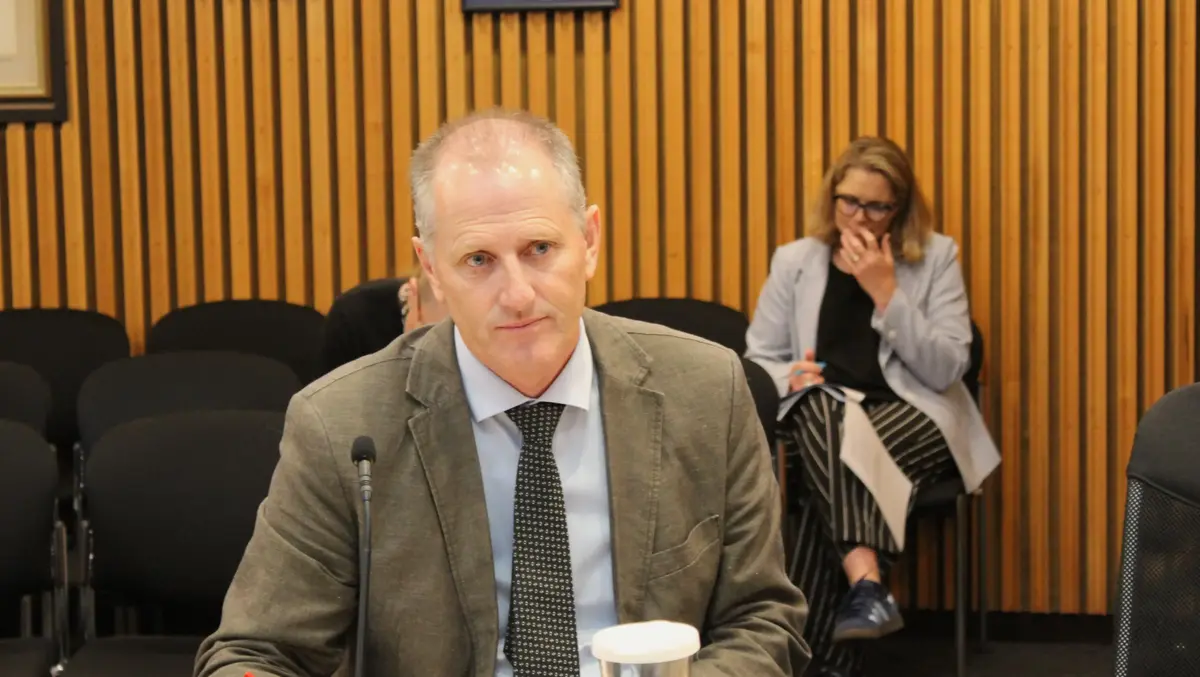
But Marlborough deputy mayor David Croad said that a rates cap, while popular, would force the council to make some tough choices about the services they provide.
Marlborough's latest rates rise of 6.81% was mainly made up of funding "business as usual" items like core infrastructure, roading, river protection, and the Marlborough Sounds Roads Recovery, with other items deferred or reduced to bring costs down, Croad said.
To get back under the rates cap, the council would need to "trim back or remove completely" some of the things offered now, which the community asked for, he said.
Funding for popular sports recreation facility Marlborough Stadium 2000, which keeps it "affordable for people to go" was an example of what could be cut, Croad said.
"The stadium's whole philosophy is to make their facilities available to all of Marlborough. If we didn't give them [that] grant... they would have to charge more for people to go in," he said.
"The people that can afford to go would continue going, but the very people that [the] rates cap purports to support might not be able to go anymore."
Community groups doing "wonderful work", that relied on funding from the council's Communities Grant could also be at risk under a cap.
A rates cap could also stop the council from supporting core infrastructure, he said. Local government received only roughly 10% of New Zealand's total tax revenue, but was responsible for about a third of all public infrastructure investment.
Marlborough's economy relied on the local council infrastructure to enable growth, he said.
The council was also devoting resources towards RMA Reform, council amalgamations, and other changes imposed on them by central government, without receiving any additional help, Croad said.
Croad was concerned that the new rates cap regulator would become another thing the council had to pay for. The council already paid $250,000 per year, about 0.25% of rates, to be regulated by water services authority Taumata Arowai, he said.
The bed tax recently ruled-out by the National Party could have made a material difference to Marlborough, Croad said, enabling visitors to contribute to infrastructure they currently use for free, and easing the burden on ratepayers.
"As a councillor, I'm saddened that central government trivialise the role that local government play."
Watts called the double-digit rates rises of the last few years "unsustainable".
"Ratepayers deserve councils that live within their means, focus on the basics and are accountable to their community," he said.
Watts said councils should not wait until 2029 to bring rates down. The Government would be monitoring rates rises as soon as the law was passed and any rises over the cap could "present grounds for intervention under the Local Government Act".