

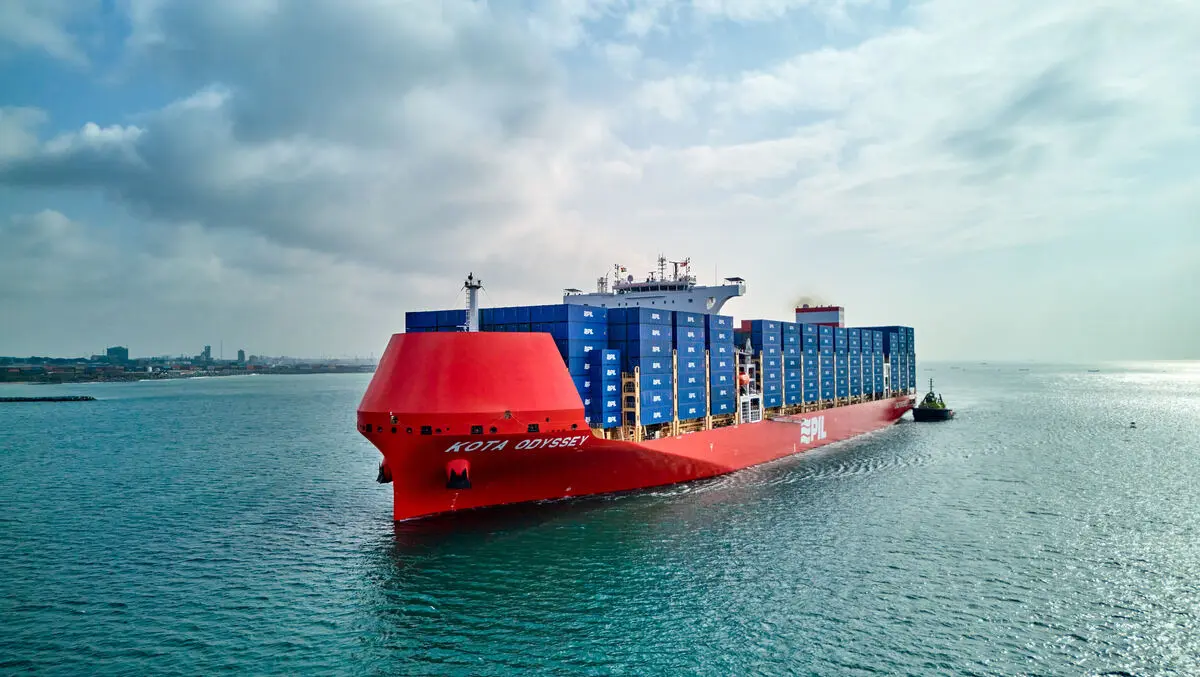
PIL taps Celonis & WNS to boost shipping operations
Thu, 6th Aug 2026
Pacific International Lines has chosen Celonis and, with support from WNS, expanded its Process Intelligence Centre of Excellence as part of the Singapore-based carrier's digital transformation programme.
PIL is one of the world's largest container shipping companies, ranking among the top 12 carriers globally. Founded in Singapore, it operates more than 100 container vessels across 90 countries, creating a complex operating environment spanning customer-facing and back-office systems.
PIL will use the Celonis platform to build a real-time digital model of its operations, giving teams a clearer view of how processes run across the business and where delays, duplication and other inefficiencies emerge.
Alongside the deployment, Celonis is working with WNS, part of Capgemini, to expand PIL's global Process Intelligence Centre of Excellence. WNS is bringing shipping and logistics expertise to help embed process analysis tools more deeply across PIL's systems and operating routines.
The initiative is focused on creating end-to-end visibility across global shipping workflows, from front-end operations to internal support functions. It also aims to speed up how PIL identifies and fixes operational issues while creating a foundation for wider use of automation and artificial intelligence.
Operational view
Shipping groups often rely on a patchwork of systems spread across regions, terminals and trade lanes. For a carrier such as PIL, which handles large volumes across many markets, that can make it harder to build a single view of performance and pinpoint the causes of hold-ups.
Process intelligence software maps how work actually moves through an organisation using data from existing systems. Businesses use it to compare intended processes with actual workflows, identify bottlenecks and standardise tasks that vary between teams or geographies.
PIL's commercial leadership described the project as a response to that operational complexity.
"In shipping, you're often dealing with dozens of different systems across the globe, which makes it hard to see where things are actually slowing down," said Lionel Chatelet, Chief Commercial Officer, PIL. "We're using Celonis because it gives us a single, clear view of how our processes are running in real life. It's not just about efficiency; it's about getting to learn how to make our operations leaner and faster, integrate automation and AI by design into this continuous improvement action so we can empower our resources to better serve our customers and keep the global supply chain moving."
Regional push
The deal also expands Celonis' presence in the Asia-Pacific region, where it has been working with organisations in sectors including telecommunications, healthcare and agriculture. For Celonis, shipping is a sector where fragmented systems and cross-border workflows create a sizeable market for process analysis and automation tools.
Pascal Coubard, Vice President of APAC, Celonis, linked the PIL project to broader changes in how companies prepare operational data for artificial intelligence.
"By giving their Enterprise AI a holistic, living model of business operations, PIL is creating the optimal conditions for it to drive real outcomes and rapid ROI. We are proud to support them as they transform their operations worldwide and set a new standard for performance across the industry," said Coubard.
WNS's role is to turn data and process insights into day-to-day operational changes. In shipping and logistics, specialists are often brought in to align process tools with the practical realities of trade documentation, cargo handling, schedule changes and customer service.
In that context, WNS will help develop the centre of excellence within PIL. The goal is to make process improvement a continuing internal function rather than a one-off technology deployment.
"Shipping companies like PIL need more than technology, they need the domain expertise to turn process insights into operational change," said Jaison Augustine, Business Unit Head, Shipping & Logistics, WNS. "The CoE we're building together will embed that capability permanently into PIL's organisation, giving them the foundation to continuously optimise and scale."
The project shows how major shipping groups are seeking tighter control over internal workflows as they face pressure to improve service, contain costs and respond faster to disruption. With operations spanning 90 countries and more than 100 vessels, PIL is using the programme to create a single view across a business at the centre of global trade.