

McKay delivers Samoa's first low-carbon ferry network
Thu, 22nd Oct 2026 (Today)
McKay has delivered five solar-powered, battery-electric passenger catamarans to Samoa, creating the country's first low-carbon passenger vessel network.
The CAP-IT programme (Climate action pathways for Island Transport) forms part of a $37 million (USD) Japanese-funded Green Transformation initiative, implemented by UNDP, which supports green transportation projects in Samoa, Papua New Guinea, Timor-Leste, and Vanuatu. Of this, $15.3 million (USD) has been allocated to Samoa.
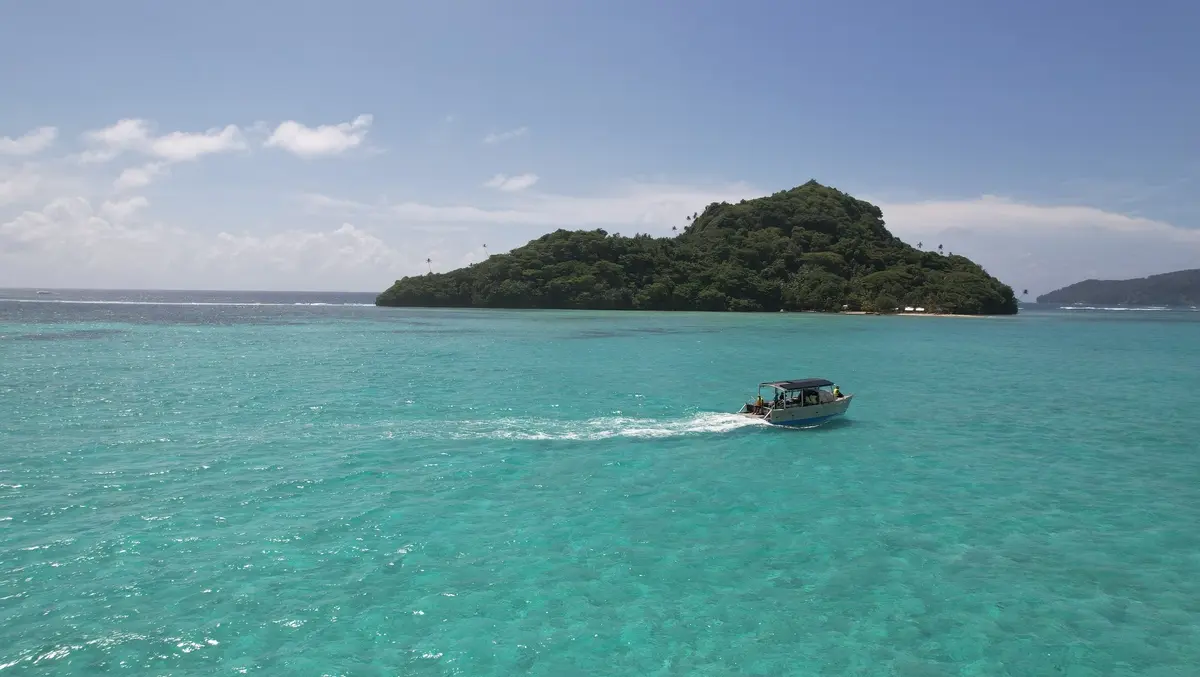
Delivered under CAP-IT as Project E-Alia, the vessels improve transport links between Samoa's islands while reducing reliance on imported fossil fuels. As lead delivery partner, McKay was responsible for the design, manufacture, commissioning and support of the five vessels, which operate between Manono and Namu'a islands of Upolu, Western Samoa.
Developed with Circa Marine and LOMOcean Design, the 10-metre aluminium catamarans operate without internal combustion engine propulsion. This offers a quiet, low-emission alternative to petrol-powered passenger transport.
Leading the Build
McKay led the project end to end, from design and manufacture through to commissioning, drawing on its marine electrification experience to take on the full build. This involved coordinating vessel construction alongside the integration of the electric propulsion systems.
Built with local people
The first vessel was built and trialled in Whangārei. The remaining four were built in Samoa, with McKay staff helping local industry construct the boats, install the electric propulsion systems and complete water testing. Sea trials completed in 2025 validated the design.
McKay's approach centred on building local capability alongside the vessels themselves. The people who learned to assemble the kitsets and install the propulsion systems are now providing ongoing support, which keeps the technology in local hands instead of depending on outside expertise.
Results on the water
"One of the boats has not needed charging since it went into service six months ago, running entirely on solar," says Fiona Bycroft, Executive General Manager Technology at McKay.
The solar-powered, battery-electric vessels offer villages a quiet, zero-fuel-cost option for inter-island transport. They also carry more passengers at the same speed as earlier boats, allowing villages to run fewer crossings while moving more people. Skippers, who also take tourists between islands, report that turtles are often seen around the boats, adding to the experience on board.
With ten years of experience in marine electrification, McKay says the technology is ready. Project E-Alia demonstrates how electric marine transport can benefit both the environment and a community's operating costs.