

MBIE confirms botched biometric projects costs blown out to $50.7 million
Thu, 24th Sep 2026
A botched Immigration New Zealand project that has subsequently been abandoned has racked up costs of more than $50 million.
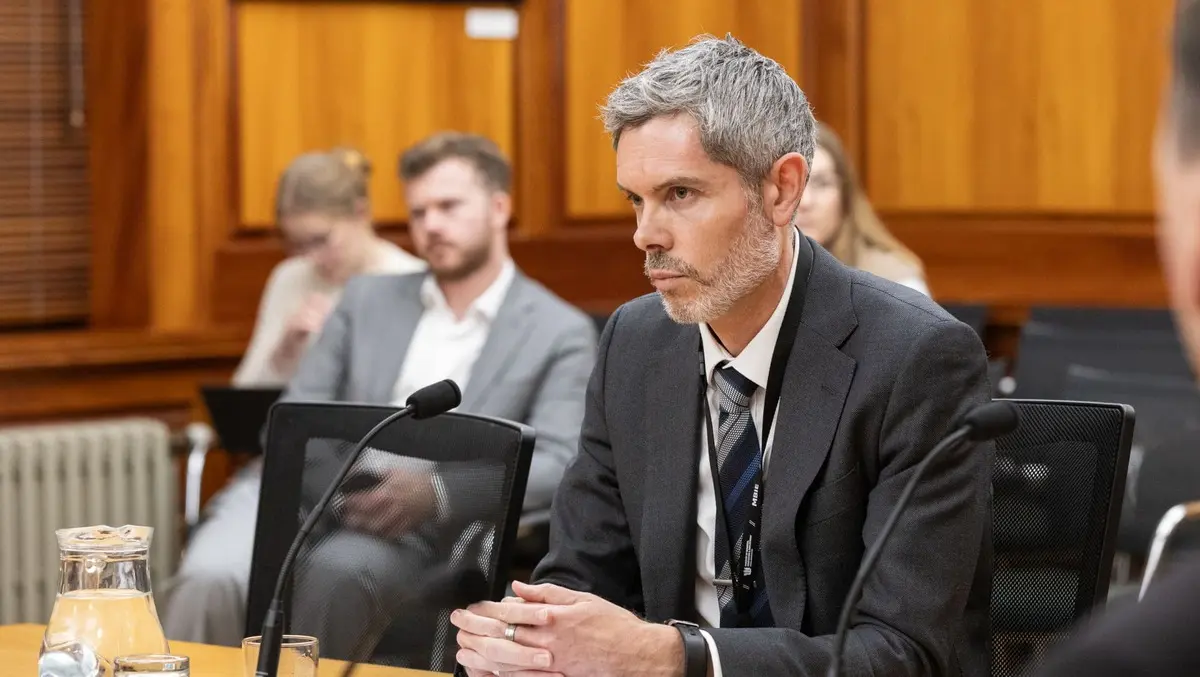
MBIE chief executive Nic Blakely appeared before MPs at select committee on Wednesday morning, the final sitting day of this parliamentary term, and confirmed $50.7 million of taxpayers' money has now been wasted on the biometric capability upgrades.
Blakely could not promise the costs wouldn't continue to balloon as more work was done to understand the mega ministry's financial controls.
It has been recommended to ministers that an In Person Enrolment (IPE) project have its $8.7m costs written off, as it was associated with the Biometric Capability Upgrade (BCU) that has already failed and is no longer usable.
The BCU project has already had $42m of taxpayers' money written off, and the ministry is unable to say what the cost of the eventual replacement project might be.
Blakeley was found in contempt of parliament last month for deliberately misleading MPs about the failed IT projects.
He told the committee on Wednesday he deeply regrets the position MBIE has found itself in, and "I recognise that we have a mountain to climb to rebuild the trust and confidence of this committee and of the Parliament."
"As chief executive, I take responsibility for the failures and I'm taking accountability by making the changes needed to strengthen the organisation. And I know that I will be judged on the results."
"In response to these deeply concerning failures, I've set up a structured programme of assurance work. Since we were last before you, we've now completed a stocktake of 70 active technology projects," Blakeley told the committee.
"Going forward, we will report publicly on a quarterly basis on our technology portfolio, so there is open movement on whether our changes are improving performance.
"I'll consider the Public Service Commission's hearing report, findings, and take any necessary action, including employment actions where appropriate," Blakeley said.
Speaking to RNZ after the committee meeting Blakeley said "trust gets rebuilt over time" and he hoped what MPs had seen was that the ministry is taking "very seriously" what has happened this year.
Blakeley said he would remain in his job to fix the mistakes.
"So both these projects finished before I started. My job is to make the changes that are needed now in the organisation.
"The Public Service Commission has an inquiry into the integrity issues that have been raised by these two projects, and I'll be looking at the results of that very closely. And if I need to take action, I will."
Blakeley told RNZ there were some staff still at the ministry who had worked on the failed projects, but they were below the senior second tier level.
Culture concerns at MBIE
Speaking to whether staff at MBIE felt comfortable speaking out about concerns at the ministry, Blakeley said a culture survey had helped answer that.
"The most recent public service census on the question of do you feel safe to speak up showed that MBIE as a whole actually was above the public sector average, so I'm not sure we have something that is an endemic issue... from the stocktake, that shows we don't have the same issues at all across the other projects."
Blakeley said the ministry has made it easier to "access the integrity line on our homepage on the intranet after June, and that has seen a jump up in people using that integrity line".
"We currently have our annual culture survey that's currently underway. We've got some specific questions in there about do people feel safe to speak up, and we'll be looking at those results closely."
Blakeley said the number of reports requiring attention from the integrity line had increased from about 10-15 a month to between 20-25 a month.
In 2024, RNZ drew attention to major problems and delays plaguing the BCU.
An independent report - released by Immigration New Zealand (INZ) in June - identified major flaws in the department's handling of the project, resulting in a waste of more than $30 million.
The report's author Greg James said INZ launched the upgrade in 2018 without first conducting detailed analysis, then lacked due diligence when significantly rescoping the project in 2020.
He said officials persisted despite multiple red flags, including delays, missed milestones and significant inadequacies.
"Despite escalating costs, the project continued for several years before ultimately being stopped [in 2025], having delivered no measurable benefits while incurring significant cost overruns."
The report found ministerial reporting throughout had been inconsistent: "at times overly optimistic, and occasionally misrepresenting the true status of the project".
Immigration Minister Erica Stanford said this year's Budget included a $31.2 million write-off of the project - that has since increased.
Further investigations by RNZ revealed senior INZ officials had repeatedly ignored requests from the minister's office and progressed work on a project the minister hadn't agreed to extra funding for.
Found in contempt of parliament
The privileges committee ruling that found Blakeley in contempt prompted him at the time to offer his resignation to Public Service Commissioner Sir Brian Roche, but it was turned down.
Roche said he took several factors into account when weighing that decision, including that Blakeley had been fresh into his job and had unreservedly apologised for his actions.
During a select committee appearance in March, Blakeley was asked about the progress of a biometric upgrade programme but failed to disclose that the project had already been cancelled.
In its findings, the Privileges Committee said officials would have known their incomplete answers would leave MPs with a false impression.
"The limited manner in which the ministry answered questions... was intentional," it said.
"We find that the ministry deliberately misled the Education and Workforce Committee and, in doing so, committed a contempt."
The report said it was "alarming" that neither of the senior public servants were aware they could have requested to provide evidence in private or secret.
"We wish to be very clear: officials appearing before select committees have an absolute obligation to tell the truth. Being truthful, responsible, and acting in good faith is the very essence of public service.
"To fail to meet these obligations is an insult to the entire public service."