How El Niño may affect the Waikato's agriculture sector
Tue, 6th Oct 2026
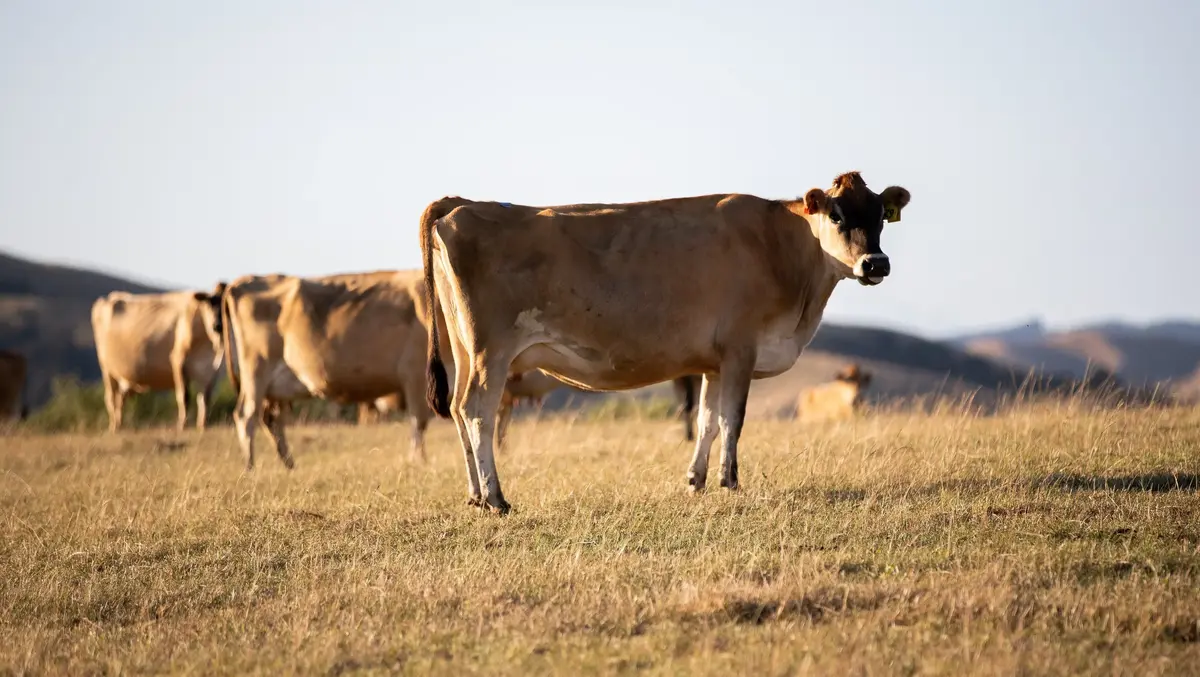
Waikato's farming and agriculture industries are set to be in the firing line when the predicted El Niño lands on New Zealand soil.
The weather pattern is forecast to increase the risk of drought, wildfires and heat-related human/animal health concerns, according to industry experts.
Ministry of Primary Industries national response manager in agriculture and investment services Andrew Curtis says while most farmers are "used to experiencing dry conditions in the summer months", he is calling for many to set dates for key decisions early.
"El Niño conditions are typically associated with drier weather in key dairying areas, which can affect milk volumes. If dry conditions intensify into drought, lower pasture growth and reduced water, availability would put pressure on production," Curtis said.
"The combination of wind and less rain could dry out soils, lead to greater pressure on water for irrigation and affect drought-sensitive horticultural crops. Dry weather can reduce pasture growth and crop yields, and impact production."
Lifestyle block owners are also advised to prepare for the summer months, especially those who may be new to rural life, as Curtis says creating a dry-weather plan for animals can help mitigate the risks of heat stress.
An increased risk in flooding may be present in areas, he added.
"Given this uncertainty, it is important farmers make decisions early, including identifying feed deficits and assessing the potential for summer feed crops. It could also mean prioritising livestock for destocking early and feeding the remainder as well as possible."
While exact predictions aren't available according to Hauraki District Council's acting group manager, service delivery Campbell Moore, he says council regularly reviews a range of weather scenarios alongside emergency management partners in preparation.
"We've learned valuable lessons from previous weather events, and these continue to inform how we plan and respond. This includes monitoring our water supply and storage levels, maintaining our infrastructure, and working closely with regional civil defence and emergency management networks," Moore said.
Alongside Northland, Auckland and Bay of Plenty, the Waikato is also predicted to have an equally likely below normal or near normal soil moisture levels and river flows from October - December, according to Earth Science New Zealand.
The outfit has also given the four regions a 45% chance of posting a below normal rainfall total as well as a 50% chance of above average temperatures in the same time period.
"Water conservation and supply monitoring are always important in our district, particularly during drier months. We keep a close eye on reservoir and storage levels, and we encourage residents to use water wisely as part of everyday practice," Moore added.
A similar outlook is likely in Thames-Coromandel, with a council spokesperson saying the conditions could increase the risk of drought, vegetation fires and water restrictions.
"Our teams are actively monitoring water resources and public spaces, while we're also sharing practical advice to help our communities prepare," the spokesperson said.
"We're encouraging people to check for and report water leaks, make sure water tanks are ready, prepare mulch for gardens, and clear vegetation and other fire risks around their properties."