

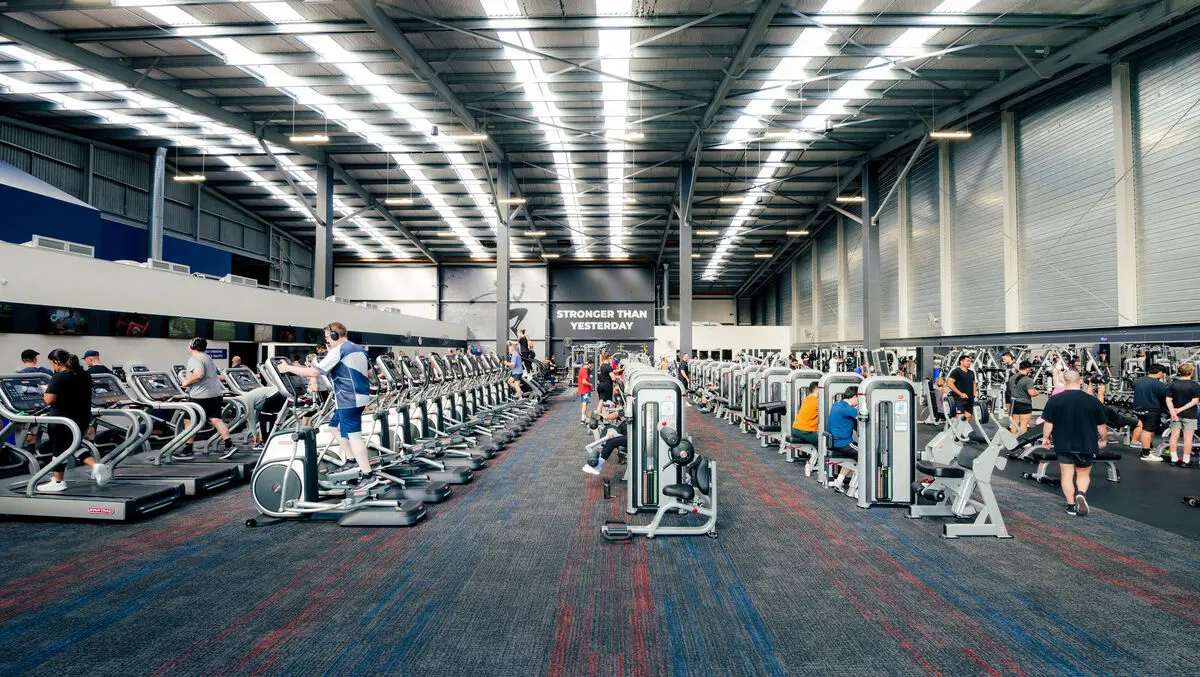

CityFitness will invest up to NZD $100 million to open as many as 50 new gyms across New Zealand. The expansion is expected to create up to 1,000 jobs and lift the chain beyond 100 sites nationwide.
The fitness operator, which has more than 260,000 members across 66 branches, plans to add the new locations over the next five years. The programme will include larger full-service clubs, more Simplicity Fitness sites and the company's first move into women-only gyms.
Each new club is expected to employ about 20 staff, with both regional and urban centres included in the rollout. CityFitness is targeting population centres with catchments of 30,000 to 40,000 people within a 5km to 10km radius where existing gym provision is limited.
Locations named for the next phase include Newmarket in Auckland, Papamoa in the Bay of Plenty, Courtenay Place in Wellington and Pukekohe. The group is also upgrading or relocating several existing sites, including new Simplicity Fitness facilities on Moorhouse Avenue in Christchurch and at Fraser Cove in Tauranga, a larger Nelson CBD club and a new site in Upper Hutt.
Women-only entry
A key part of the plan is CityFitness' entry into the women-only segment. The first women-only club is due to open in Christchurch, with several more planned around the country.
The new sites will be based on the Simplicity Fitness format, with the addition of a multipurpose studio and group fitness areas. The move follows what CityFitness described as shifting demand in the market, including greater interest in specialised training spaces.
Doug Hatten, Chief Operating Officer at CityFitness, said: "We're not just growing our footprint, we're making a long-term commitment to the health of New Zealanders. Our goal is to ensure more communities have access to high-quality, low-cost fitness facilities. We're focused on making fitness accessible to everyone, regardless of location, income or background."
Hatten linked the women-only expansion to broader demographic changes in gym use. He said younger men have become a larger share of the customer base over the past decade, driving stronger demand among some women for separate environments.
"The fitness industry has changed significantly in terms of who is joining and how different groups want to exercise," Hatten said. "Strong growth in younger men participating in the sector is one of the trends creating greater demand for women-only spaces, and we see that as a meaningful opportunity to broaden the range of environments available to New Zealanders."
Existing network
The investment is not limited to new openings. CityFitness has recently relocated clubs in Blenheim, Petone and Lyall Bay, and plans further refurbishment and expansion across its existing network.
The approach reflects a strategy of retaining large-format clubs while adding smaller and more specialised formats alongside them. CityFitness said existing members should benefit from larger premises in some areas, new equipment and modernised facilities.
"We don't want growth to simply mean opening more sites. Existing members need to see the benefit of that investment as well," Hatten said. "That means larger facilities where demand has outgrown the current site, better equipment and upgrading older clubs."
Market trends
CityFitness said about 21% of adult New Zealanders in urban areas are members of a fitness centre. It contrasted that with Sweden, where gym membership stands at 34% of the population, arguing that the local market still has room to grow.
The company also pointed to wider public health concerns as part of the backdrop to its expansion. It cited figures showing that 54% of adults in New Zealand do not meet the World Health Organisation's minimum physical activity guidelines, while physical inactivity imposes costs on the health system and broader economy.
Alongside the property investment, CityFitness said it is increasing spending on technology, equipment and facility design to reflect changing member habits. Growth areas include small-group training, virtual sessions and recovery services such as massage chairs and stretching zones, as well as after-hours access supported by remote monitoring systems.
Hatten said: "We're investing in recovery spaces, meditation rooms, saunas and reformer Pilates because the demand isn't just about fitness anymore, it's also about overall wellbeing. The clubs have been designed to appeal to everyone from teenagers to people in their 90s. It's important that our spaces are inclusive and welcoming."
Founded in Porirua in 2000, CityFitness has grown into the country's largest gym chain through a model centred on affordability and scale. "It's not about reaching 100 clubs and stopping, it's just the next milestone. We'll continue growing wherever there's demand," Hatten said.