Canterbury's regional council lays out priorities for next Government
Wed, 4th Nov 2026 (Today)Its future might be uncertain, but Canterbury's regional council knows what it wants from the incoming Government.
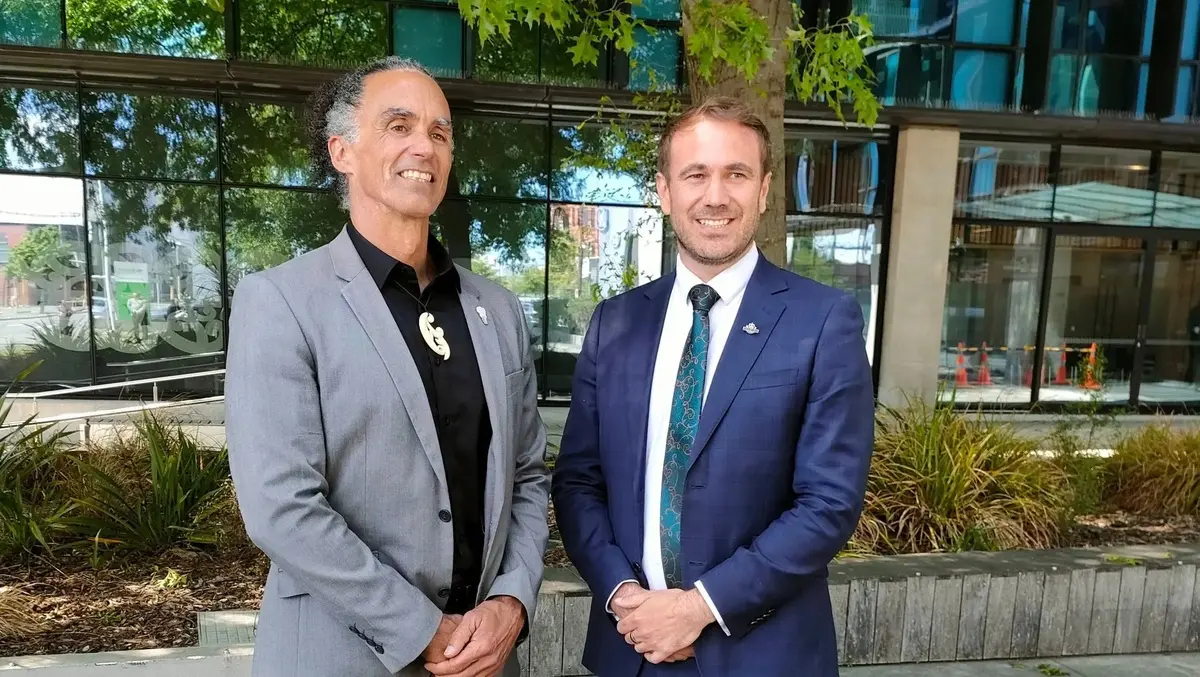
Environment Canterbury chairperson Dr Deon Swiggs and deputy chair Iaean Cranwell have written an open letter to candidates laying out seven priorities for the Government that emerges from the general election this Saturday.
The pair are calling for investment in flood resilience, a national approach to biosecurity, strong environmental stewardship, investment in public transport and transport infrastructure, and sustainable funding.
They also want the incoming Government to work more closely with local government on reform.
The existing National-led Government has proposed abolishing regional councils at the 2028 local government elections, and replacing them with unitary councils, which would take on both local and regional functions.
The Government has also passed the Natural Environment and Planning Acts to replace the Resource Management Act and has proposed a rates cap of between two and four percent.
"While we are still a regional council, I'm going to take a leadership role in pushing for the Canterbury region," Dr Swiggs said.
"We are a great region, but we haven't invested in our region as well as we could have."
Mr Cranwell said Waitaha Canterbury was the largest region in Aotearoa geographically, and contributed more than 12% of GDP and 15% of the country's export goods.
Canterbury is also one of the fastest growing, with the Greater Christchurch (Christchurch, Selwyn and Waimakariri) population expected to exceed 700,000 people by 2050.
Dr Swiggs said every dollar spent on flood resilience could save at least $5 in recovery costs following a flood event.
Local Government New Zealand has called on the incoming Government to commit to co-funding of $240m a year for flood protection, with councils nationally to pay $160m.
With the increasing costs of climate adaptation and a growing number of weather events, there needed to be a national conversation on "who pays", Dr Swiggs said.
Councils also needed continued Government support to tackle pest management, including wilding conifers, wallabies and other pests.
"Pests don't stop at boundaries, our response shouldn't either," Dr Swiggs said.
The Canterbury region has received just 5% of funding in the last two funding rounds of the National Land Transport Fund, which impacts on the region's ability to invest in public transport and roading infrastructure, he said.
Central Government also had a tendency to pass on "unfunded mandates" to local government, including the costs of reform, he said.
"If Government wants councils to deliver more, it must either fund the costs it creates or give them the tools to pay for it."