Residents and businesses face uncertainty as new research finds Auckland's volcanic field can erupt in bursts or stay quiet for millennia.
Uber NZ's comedic ad backfires, ASA deems it misleading, casting doubt on the rigour of driver checks amidst humour claims.
Businesses are being invited to shape Sydney Metro West, which aims to link Parramatta and the Sydney CBD and attract market input.
Bulk excavation on Albert Street has begun, bringing about 50 jobs and marking progress on New Zealand’s biggest infrastructure project.
The AI considers the driver's voice, facial expression and eyesight direction to determine their emotional state and respond to it...
The final call on a proposed Wairarapa District Council now rests with voters, who can trigger a poll to decide its fate.
The proposed merger could give Wairarapa councils more capacity to fund infrastructure, though wider local government reform is still needed.
Freight was diverted to road and shipping after the Kaikoura earthquake, and KiwiRail has been rewarded for helping keep New Zealand supplied.
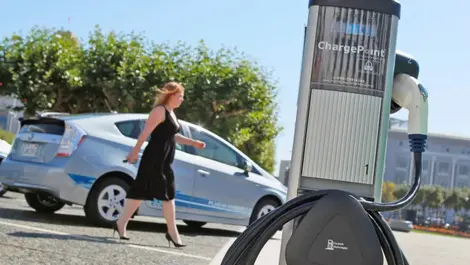
Cheaper batteries are set to make electric cars affordable upfront in major markets by 2029, spurring a faster global sales surge.
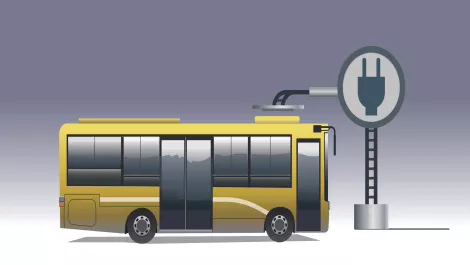
Wellington gears up for a greener commute with electric buses set to join its transport fleet from July next year.
Pure-play cybersecurity giant has signed on with Australian-based managed security services provider Nexon Asia Pacific.
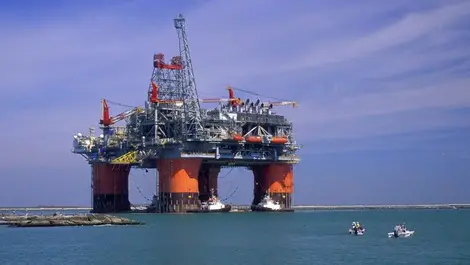
Upstream spending is rebounding as oil majors push through more low-risk projects, with sanctions set to nearly double to 25 this year.
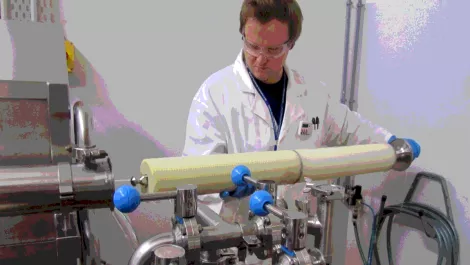
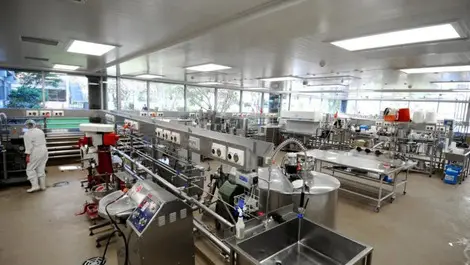
Clean-tech company Hydroxsys has developed a revolutionary membrane that extracts water from industrial waste in multiple industries.
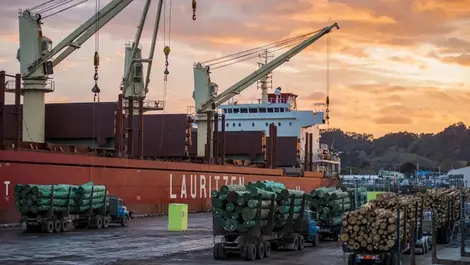
Rising log volumes are pushing the port towards a £70 million overhaul to avoid bottlenecks and support future coastal shipping.
By managing traffic flows to reduce congestion and deterring crime using intelligent lighting and cognitive CCTV, IoT can make a city more desirable.
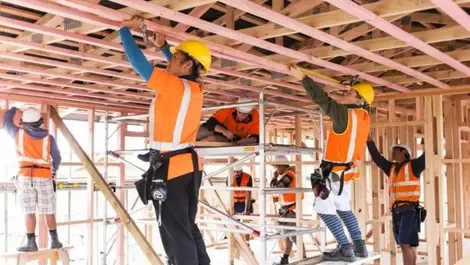
Businesses need to be adaptive and entrepreneurial. The disruption of the construction industry is a positive movement for the industry as a whole.
Trials in Auckland could speed Hydroxsys’s push to commercialise membrane technology for dairy, mining and wastewater users by year-end.
The funding will bring forward 10,500 homes in north-west Auckland, but Mayor Phil Goff says the city still needs billions more to cope with growth.
Better planning and delivery are still needed as New Zealand’s housing and transport gaps far exceed the government’s NZD $1 billion funding boost.
Faster infrastructure spending could bring 60,000 homes forward by up to eight years in New Zealand’s fastest-growing cities.