The proposed merger could give Wairarapa councils more capacity to fund infrastructure, though wider local government reform is still needed.
Freight was diverted to road and shipping after the Kaikoura earthquake, and KiwiRail has been rewarded for helping keep New Zealand supplied.
Cheaper batteries are set to make electric cars affordable upfront in major markets by 2029, spurring a faster global sales surge.
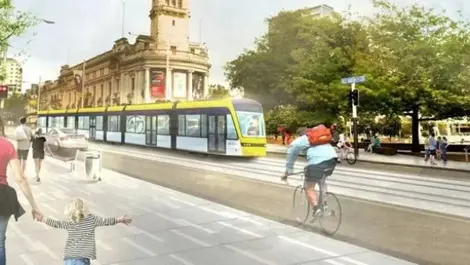
Wellington gears up for a greener commute with electric buses set to join its transport fleet from July next year.
Upstream spending is rebounding as oil majors push through more low-risk projects, with sanctions set to nearly double to 25 this year.
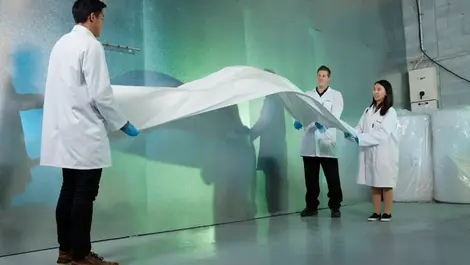
Clean-tech company Hydroxsys has developed a revolutionary membrane that extracts water from industrial waste in multiple industries.
Rising log volumes are pushing the port towards a £70 million overhaul to avoid bottlenecks and support future coastal shipping.
Trials in Auckland could speed Hydroxsys’s push to commercialise membrane technology for dairy, mining and wastewater users by year-end.
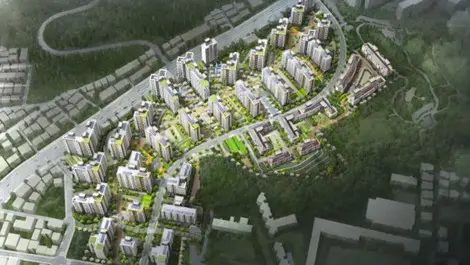
The funding will bring forward 10,500 homes in north-west Auckland, but Mayor Phil Goff says the city still needs billions more to cope with growth.
Better planning and delivery are still needed as New Zealand’s housing and transport gaps far exceed the government’s NZD $1 billion funding boost.
Faster infrastructure spending could bring 60,000 homes forward by up to eight years in New Zealand’s fastest-growing cities.
Nearly 60 per cent of industry respondents say current systems need major changes as electric cars and prosumers reshape demand.
Up to 60,000 new homes could be built years earlier after the government backed roads and waterworks in five fast-growing councils.
Raising landfill charges over seven years could lift New Zealand's recycling rate to 60 per cent and add 9,000 jobs, a report says.
Repairs are easing the Picton-Christchurch line's rebuild, with work trains now able to cross the Clarence Bridge again after earthquake damage.
Safer streets and lower running costs are among the gains researchers say connected sensors could bring to New Zealand's urban centres.
GPS data has let researchers map deep mantle melt beneath the central North Island, a clue to the region's volcanic risk.
Businesses are being given step-by-step guidance to cut waste and boost efficiency under BSI's first circular economy standard.
Freight services on the Main North Line remain months away, with only 10 kilometres left to repair after the 2016 earthquake.
Protected conservation land cannot be flooded for the proposed Ruataniwha Dam, leaving Hawke’s Bay Regional Council’s $900 million scheme in doubt.