Youth, immigrants and urban Maori are most at risk as planners warn New Zealand must better reflect its diverse communities.
Government advice on emerging technologies is set to speed up decisions on digital identity, AI and other services for Kiwis.
Microsoft and Massey University launch Industry 4.0 Accelerator to bridge skills gap in New Zealand's primary industries, boosting innovation.
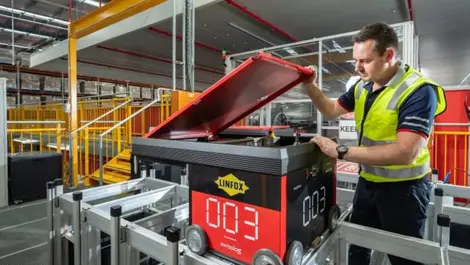
Recycling plants are cutting contamination and costs as nearly 100 AI-powered machines take over the tedious sorting humans often get wrong.
Access to global markets should widen for small Kiwi firms as the new digital economy pact is expected to lift trade and growth.
Environmental pressure is forcing China to curb single-use plastics, with major cities set to lose plastic bags by year-end.
Sector growth is set to lift jobs and exports as smaller Kiwi tech firms tap climate, finance and 4IR demand over the next decade.
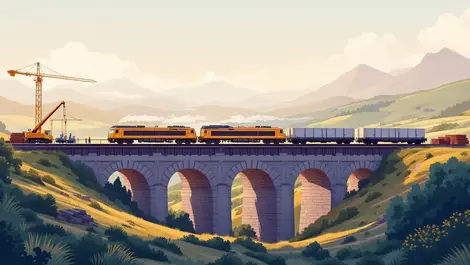
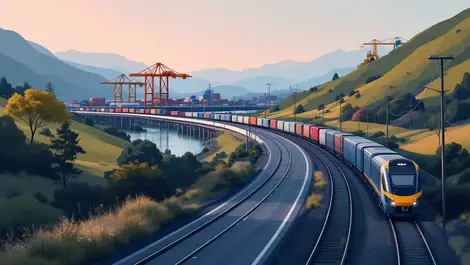
Freight in Northland will move by rail for the first time, after a NZD $109.7 million boost to reopen lines and build a terminal.
New roads, rail, schools and hospitals should help address years of underinvestment, though critics question whether USD $12 billion is enough.
Approval of the Orbit plan could see Innisfil grow from 37,000 people to 150,000 while limiting sprawl and preserving farmland.
The book’s release comes as employers worldwide trial shorter weeks, chasing higher productivity and better staff wellbeing.
A stronger fintech climate has lifted Auckland into Asia Pacific’s top 25, with New Zealand now ranked 45th globally in a new index.
Investors may pour more money into low-carbon projects this year, but election outcomes and climate shocks could still slow decarbonisation.
Neuron Mobility is one of four e-scooter companies with a licence to deploy across Auckland, bringing 880 bright orange scooters to the streets.
Rising visitor numbers are putting New Zealand’s lakes, tracks and towns under strain, with a watchdog warning current policy will not curb damage.
Long-term upgrades to tracks, trains and ferries could finally be unlocked as the government shifts rail funding away from annual budget battles.
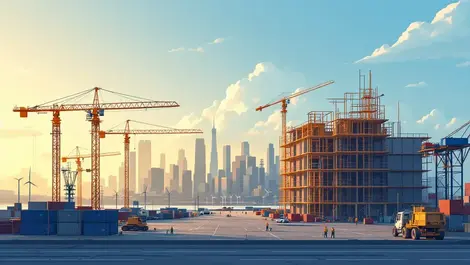
An acute skills shortage is threatening New Zealand construction growth, prompting RICS to train workers amid forecasts of 50,000 more staff needed.
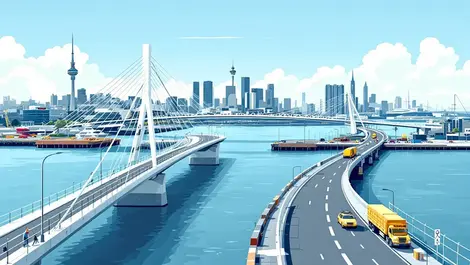
Fresh funding and planning reforms could speed up roads, water and housing delivery as New Zealand seeks to ease infrastructure bottlenecks.
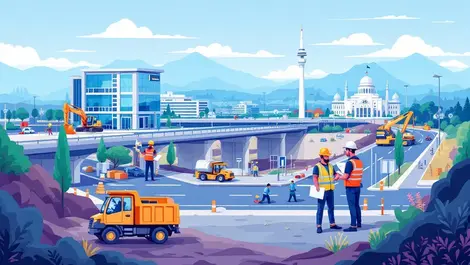
Contractors still need project-by-project details, with major transport work due to wind down within 18 months and risking industry capacity gaps.
Marine ecosystems face mounting pressure as pollution, fishing and warming seas threaten species, habitats and coastal communities.